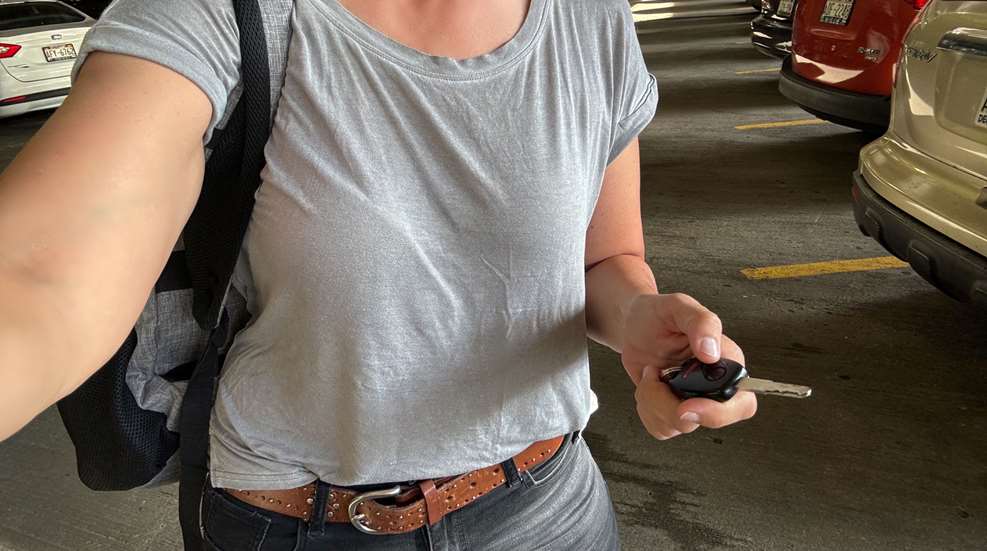
One of the realities of life is getting to and from our daily activities. Many of us must transit different urban settings, such as parking garages. A parking garage is a transition zone, and these areas carry risk. Here are a few things to keep in mind when you are in this setting.
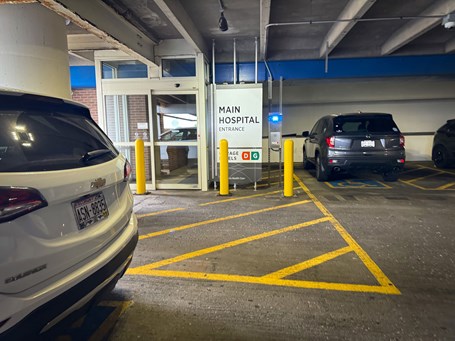
Is it legal?
Make sure that you know the laws governing concealed carry in the places where you are traveling. Make sure that the facilities you visit do not have restrictions, and if they do, whether these restrictions carry the force of law to prohibit you from carrying a firearm or not.
Is it discrete and functional?
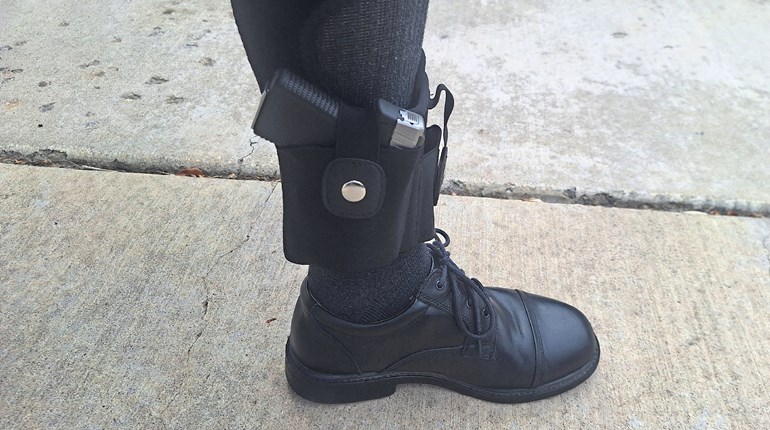
Choose a manner of concealed carry that fits the setting you’re in. Think about it like you would when not wanting your firearm to “print” or be visible through your clothing. In other words, choose clothing, bags and holsters that fit your environment. For example, you wouldn’t use a tactical bag if you’re a hospital employee or visiting your family at the hospital.
Methods of carry and clothing that is streamlined and “normal” looking is better than carrying something that draws attention and makes you or your firearm noticeable.
While you don’t want to draw attention to your firearm, you also want to be able to access it, so make sure your carry method is appropriate.
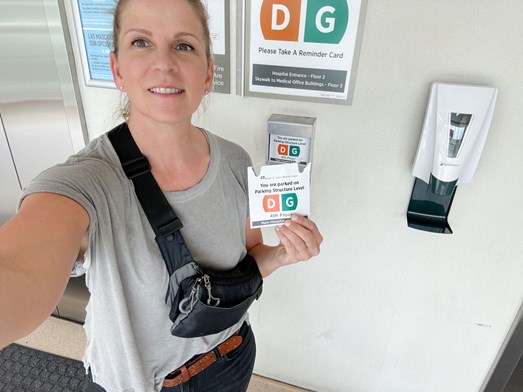
Know where you’re going.
Sometimes navigating parking garages or urban lots can get frustrating. Which stairwell, elevator or hallway do we take? Just thinking ahead a few steps, and perhaps doing a quick internet search for a map of where you are going can help.
When you carry concealed, it’s a conscious effort to have your firearm with you. Make choosing your route and mapping out your course of travel another conscious effort. How you get somewhere can be thought of as another means of avoiding confrontation or problems.
For example, if you have to use a parking garage, learn where the elevators are, make note of exactly where you park your car. If you’re worried about being alone in the garage, try to go at a busy time of day when there will be many other people.
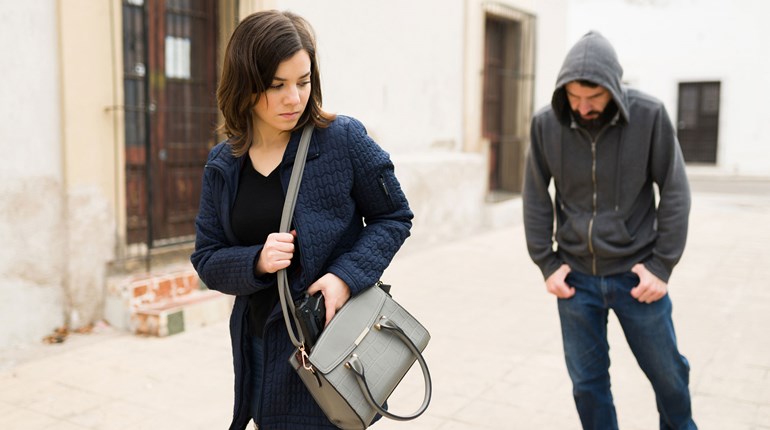
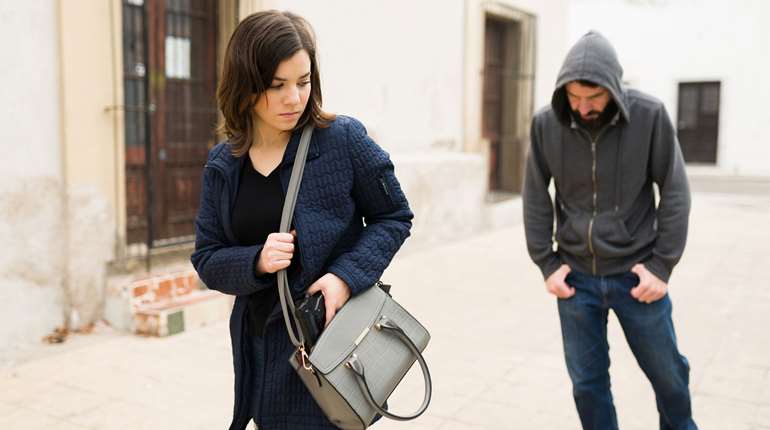
Avoid anything that gives you any bad vibes. If you’re headed to your car and feel someone is following you, go back immediately to where there are more people. Find a security guard to walk to your car. Find a group of people going into the garage and go with them. If anything makes you feel uncomfortable, don’t stay in that situation.
Many times we see victims of crime who recall that they didn’t feel right; something felt off. If you take time to consider what could happen in different aspects of navigating a garage or parking lot, you can be prepared to change the situation. Recognize what will be your signal that you’re on the cusp of entering a scenario you already told yourself would not be good, and you can be ready to get out of it before it’s beyond turning back.
It’s easy in hindsight for people say they should have or would have done something different. Thinking ahead about what point you draw the line and say, “This situation is not a situation I should be in,” will help you recognize that your comfort with a scenario can change and you can use that as a signal to change what you do.
As adults, we can’t always decide not to do something because we don’t like it. We might have to take someone to the hospital and use the parking garage in the city. We might have to attend a meeting or work at a place that requires us to walk to our car in the dark. But we can definitely decide what scenarios we can work to prevent, so that we don’t put ourselves in a bad spot or can leave the moment the scenario turns uncomfortable, and so that we don’t have to potentially use a firearm or self-defense tool.
If you did all our due diligence and what you’re facing is really not ideal, turn around and look for somewhere else to park your car, maybe even take an Uber.
Don’t look for risk.
We wear our seatbelts so that we don’t get hurt in a car wreck, but we don’t drive around looking for car wrecks thinking our seatbelt will save us. Sane people don’t fly around curves or run stop lights thinking, “My seatbelt and brakes will save me.” In a similar way, when we carry a tool for personal defense, we shouldn’t do risky things, thinking that tool will save us. The idea is not to put ourselves in unnecessary risk; not to need the tool. The tool is a backup for if the worst happens, so working to avoid that is the best course of action.
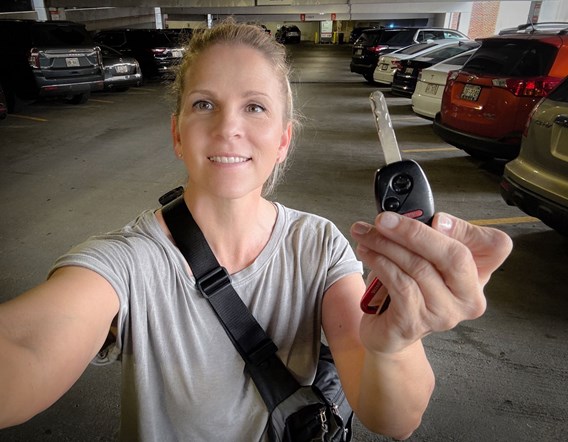
Don’t make yourself a target.
As you navigate the transition zone of a parking lot, keep some things in mind:
- Stay off your phone.
- Have keys in hand and be ready to unlock your car. Unlock only your door, if possible.
- Free your hands up. Use a backpack or crossbody bag. If you are carrying concealed, keep your hands free.
- Be succinct in your movements and don’t spend a lot of time digging around in your vehicle as you enter or leave it.
- Check vehicles around you for potential people.
- Travel with others whenever you can. Maybe this means walking to the car with your co-worker, or even car-pooling.
- Park close to elevators, security guards, emergency phones or any other parking space that gives you closer proximity to other people.