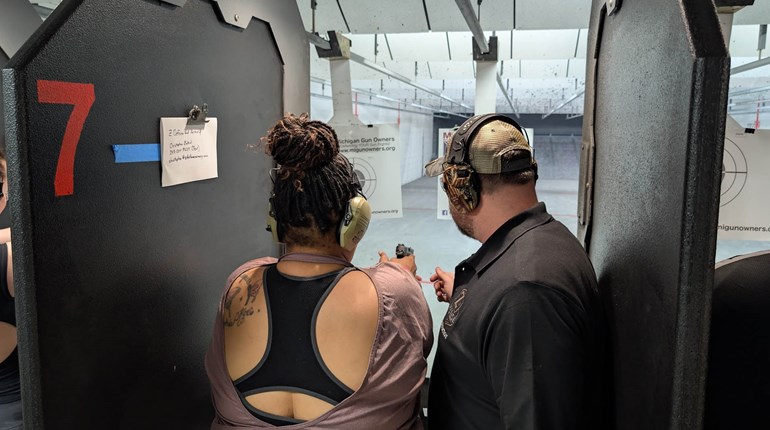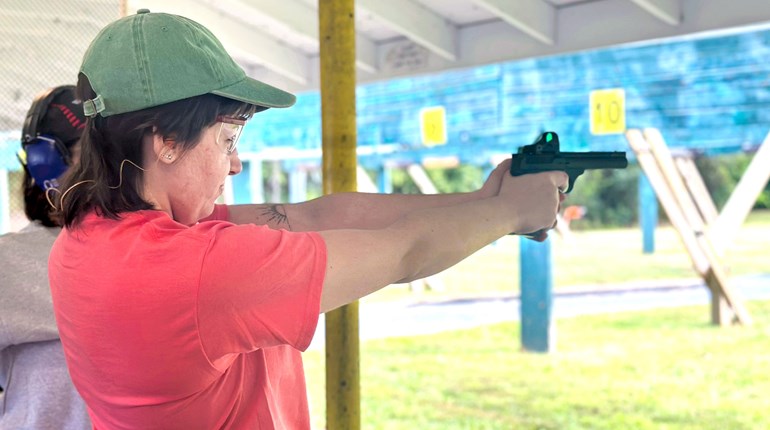
If you’ve decided to take charge of your personal safety by carrying a concealed firearm, you need a particular set of skills to do so safely and responsibly. Obviously, knowing how to handle and shoot the gun are at the top of the list—but they’re not the only things you need to be able to do. These five skills are part and parcel of the whole concealed carry package.
1. Emotional Skills
This isn’t exclusive to concealed carriers—these skills will be useful to anyone, but they’re especially important if you’re going to carry a gun. Introducing a firearm into a situation adds a new level of complexity that you must navigate.
You need to cultivate wisdom and discernment that will help you avoid dangerous situations in the first place and make smart choices about where you go and what you do. You also want to develop some self-control, because when you’re carrying concealed, you can’t afford to let your temper or your pride get the best of you. You have to learn to let things go, because any conflict you get in is an armed conflict, and the stakes are too high to risk a petty squabble turning into a situation that requires your gun to solve.
Also included in this category is the ability to work through adrenaline. If you don’t specifically train for this to prepare yourself physically and emotionally, you’ll be shocked at your body’s response to a high-pressure situation when you can ill afford to be falling apart. Get some training designed to pressure-test your gun handling, shooting and decision-making.
Finally, learn to trust your intuition and use your fear to keep you safe. Fear doesn’t have to be debilitating!
2. Social Skills
The only real way to win a gunfight is to not get in one, and while situational awareness plays a big role in keeping you out of trouble, you also need some social skills to navigate situations where trouble is already brewing.
De-escalation is a tremendously valuable skill to cultivate. If you can talk your way out of a situation or talk down someone who is gearing themselves up for violence, you win. At its heart, de-escalation is simple: The potentially violent person wants something, so how you can help them get it without endangering yourself or others? Read this article for more.
Conflict avoidance and resolution are also important social skills. The “de-escalation” and “let things go” links already referenced cover some of this. Another big one: Learning to do what you need to without shame. This includes using your command voice and being willing to seem rude when necessary.
3. Less Lethal Response Skills/Tools
If you’ve heard the phrase, “When all you have is a hammer, everything looks like a nail,” then you understand the importance of less-lethal self-defense options. Not every problem, even violent ones, will require your gun. You should develop some non-gun options and consider carrying less-lethal tools.
For example, simply running away the right way is a less-lethal response (or a conflict avoidance technique). Martial arts training can help you develop physical skills—while you might not overpower an attacker, you can learn some escape and evasion techniques that could prove very useful in a violent encounter.
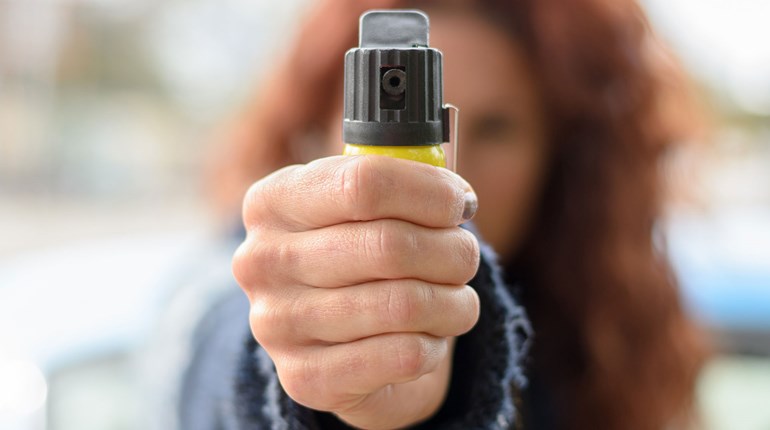
Of course, less-than-lethal tools like pepper spray, Tasers and the like are always options if they’re legal where you live. It’s very smart to have a non-lethal option available to you, but do seek some training with them so you can deploy them properly.
4. Physical Skills
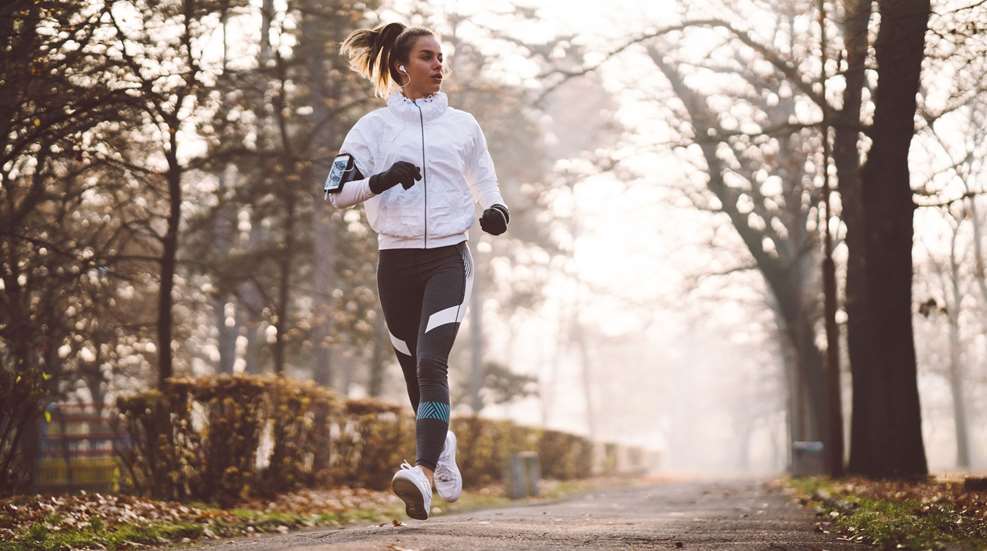
Along the lines of avoidance and less-lethal response, you’ll be better prepared to handle any physical encounter if you are in good shape. If you can run away faster and farther or throw a stronger, harder punch or kick, you’ll become a harder target for a criminal.
This is especially important as we age. The longer you can put off becoming that frail little old lady who’s easily knocked down, the better.
5. First-Aid Skills
Anyone who spends any time shooting firearms should know some basic first aid. We all know that when seconds count, help is only minutes away, so “you are your own first responder” rings true at the range as well as on the street.
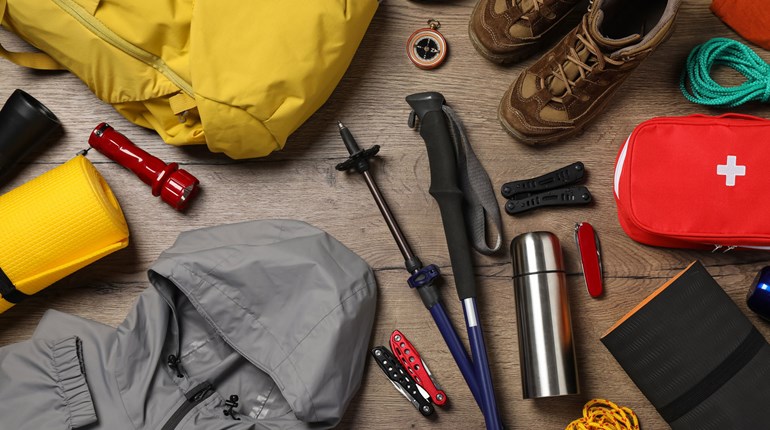
You can read more about what to keep in your range first-aid kit here, but all the supplies in the world aren’t helpful if you don’t know how to use them. Consider learning CPR if you haven’t already, and learn how to use a tourniquet. A Stop the Bleed course can be very helpful in giving you simple skills with a tourniquet, a chest seal and packing gauze that can buy some time for anyone suffering a serious wound to an extremity.
Needless to say, first-aid skills—like most of the skills listed in this article—can come in handy in many facets of daily life, gun-related or not. But if you’re going to carry a gun, prioritize the development of the emotional skills, social skills, less-lethal response skills, physical skills and first-aid skills that can help you safely and responsibly navigate life as a concealed carrier.