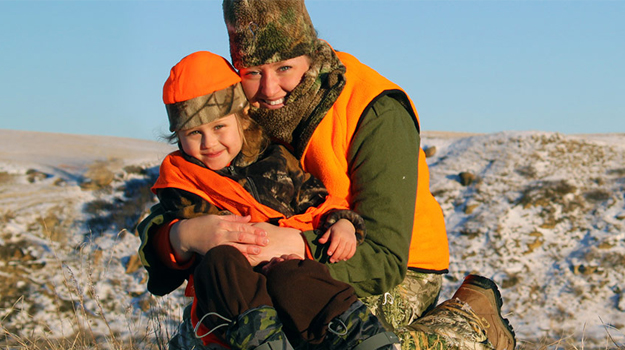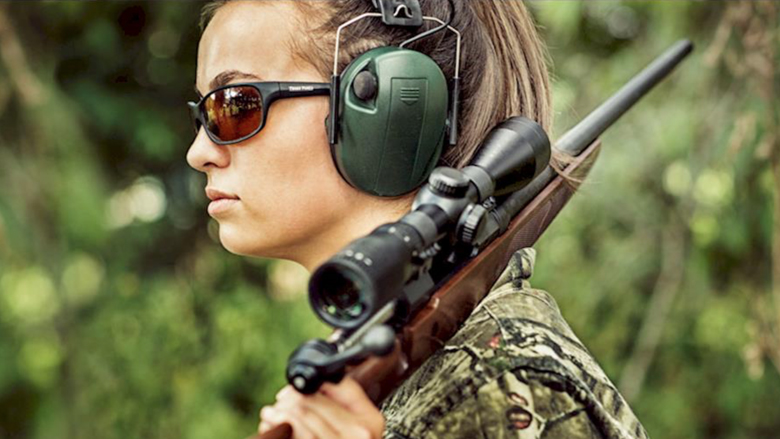

Preparation is key when faced with an unexpected circumstance that leaves you stranded in the back country. Having the right tools can make all the difference in the outcome of your situation, especially when you find yourself at the mercy of nature's elements. Understanding how to use simple tools and supplies, most of which can be purchased inexpensively or repurposed from what you have at home, will help build a shelter, stay hydrated, prepare food, and navigate unfamiliar terrain. Below, we'll break down the top 10 essential tools every survivalist should have in their kit.
Survival Knife
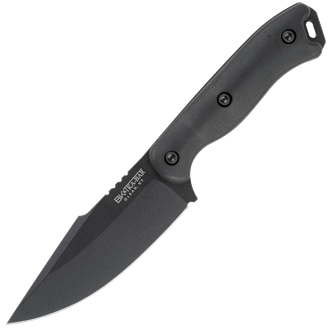
A good survival knife is a must-have for any survival kit. Whether you need to cut rope, prepare food, carve tools, or defend yourself, a high-quality, full-tang fixed blade knife is priceless. Blades between 4 inches and 6 inches long are most useful and should be made of high-carbon steel with a sturdy grip. Your knife and its blade style should be versatile, easy to manipulate, and able to withstand tasks like cutting kindling for a fire.
Fire Starter
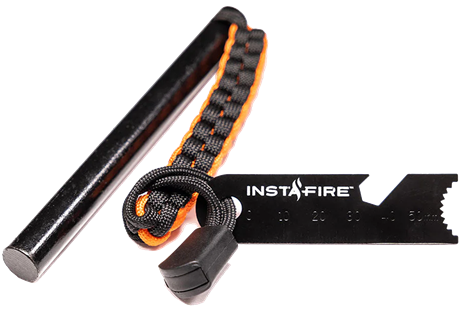
Being able to start a fire will keep you warm, provide a hot meal and, in some cases, even signal for help. Matches and lighters are handy but can be rendered useless if wet or damaged. A ferro rod is a small yet handy tool that takes up little room in your pack and is a great backup method for starting a fire should easier methods fail. When struck against a metal striker or the spine of your knife, it creates sparks that can ignite tinder.
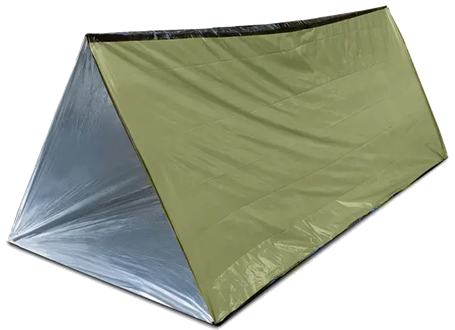
Emergency Shelter
Exposure to the elements is your greatest threat when you find yourself in a sticky situation outdoors. A tarp provides instant protection from rain, wind, or cold and can be rigged into multiple types of shelters, whether you're protecting yourself from a downpour or creating shade on a blistering hot day. A reflective emergency blanket can help retain body heat in cold climates while you await rescue and takes up little room in your pack.
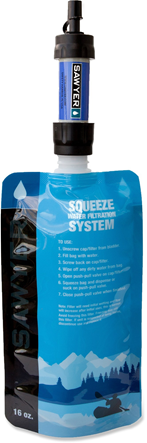
Water Filter or Purification Tablets
Staying hydrated is non-negotiable, and steps must be taken to ensure what you drink is free of harmful bacteria, viruses, and parasites. Portable water filters and purification tablets are lightweight, easy-to-use solutions that make otherwise unsafe water sources drinkable. The Sawyer Mini or LifeStraw are popular options amongst hikers and survivalists, and can remove over 99 percent of harmful pathogens, while water purification tablets can typically purify water within 30 minutes.
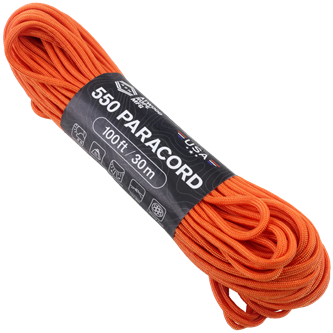
Paracord
When you're out in the wilderness, the uses for paracord are nearly endless. Originally used in parachutes, this strong, durable cord can be used to build shelters, replace boot laces, hang food out of reach of animals, hang wet clothing to dry, and more. The inner strands can be pulled apart and used for fishing line, sewing thread, or other tasks requiring thinner threads. Including this in your "survival toolbox" is as easy as clipping some to your pack or even wrapping it around a hiking stick or trekking pole.
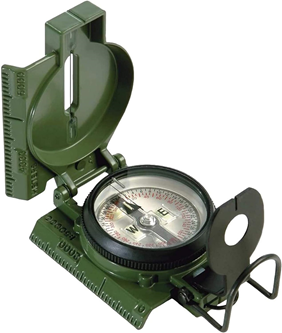
Compass and Map
While modern GPS devices are excellent tools, they rely on batteries and signals that may not be reliable in remote areas, and you cannot rely on your cellphone to lead you to safety. A traditional map and compass are foolproof navigational tools, if you know how to use them. The same goes for a topographic map, which will alert you to elevation changes along your route.
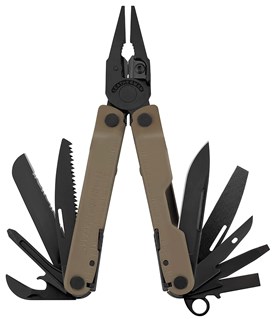
Multi-Tool
When space and weight are at a premium, a multi-tool offers a wide array of functionality in a compact package. Equipped with miniature versions of pliers, screwdrivers, scissors, and a saw, just to name a few, multi-tools can tackle anything from simple gear repair to opening a can of food. A quality Leatherman or Swiss Army Knife lets you leave the heavy toolbox at home, giving you a compact, lightweight toolkit in the palm of your hand.
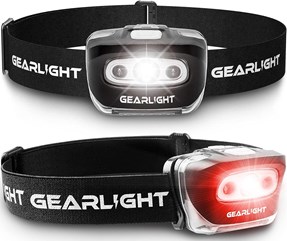
Headlamp or Flashlight
Headlamps provide hands-free illumination once the sun goes down. A quality headlamp or flashlight will be water-resistant, have multiple brightness settings, and use LED bulbs for efficiency and maximum brightness. Flashlights that run on batteries risk depleting their energy source, while those that charge via USB are useless afield. To keep weight to a minimum and eliminate worries about dead batteries, opt for solar-powered or hand-cranked flashlights for prolonged use.
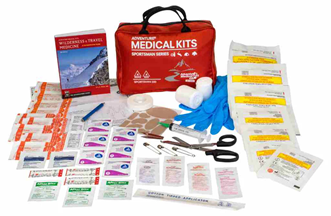
First Aid Kit
A first-aid kit designed for outdoor use is essential. Your kit should include bandages, antiseptic wipes, tweezers, medical tape, pain relievers, and any personal medications you are taking. Further customize your kit for your specific trip by adding items such as blister pads, splints, and an emergency tourniquet for more serious injuries. Ensure your supplies are well-stocked, easy to reach, and that medications and ointments are not expired.
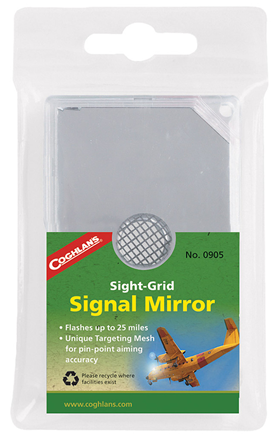
Signaling Device
If you are lost or injured and unable to self-rescue, attracting help can mean the difference between making it home safely and an outright disaster. There are many options for calling for help, including a whistle, a signal mirror, or an emergency flare. Signal mirrors, when used correctly, can alert anyone nearby and alert rescuers of your presence. A signal mirror does this by reflecting sunlight up to several miles away to catch the attention of search and rescue teams or aircraft. Regardless of what you choose, be sure that your solution doesn’t rely on batteries and is easy to use in stressful situations.