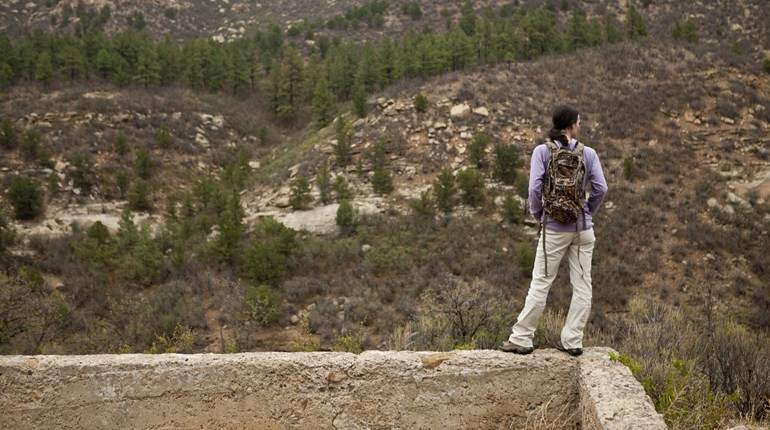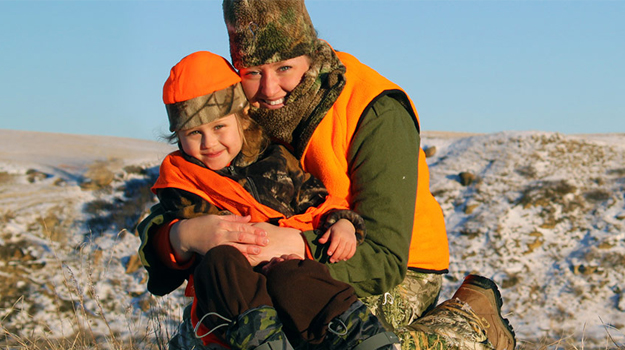

Some of the greatest vacation destinations are our national parks, which are the envy of the world. President Woodrow Wilson signed the “Organic Act” in 1916, which created the National Park Service. Since then, the National Park System has expanded to 433 individual units covering more than 85 million acres across all 50 states, Washington, D.C. and U.S. territories. Other unit categories include National Battlefields, National Historic Sites, National Monuments, and National Recreation Areas, just to name a few.
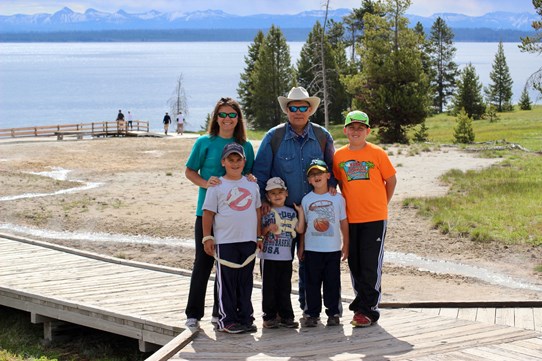
It is evident that Americans know how important these national treasures are. According to the National Park Service, U.S. National Parks and historic sites reported more than 323 million recreation visits in 2025.
The top 5 most visited National Parks are:
- Great Smoky Mountains National Park (NC/TN) = approx. 11.5 million visits;
- Zion National Park (UT) = approx.5.0 million visits;
- Yellowstone National Park (WY/MT/ID) = approx. 4.8 million visits;
- Grand Canyon National Park (AZ) = approx. 4.4 million visits; and
- Yosemite National Park (CA) = approx. 4.3 million visits.
The top 5 most visited National Park Sites (all units):
- Blue Ridge National Parkway (NC/VA) = approx. 16.5 million visits;
- Golden Gate National Recreation Area (CA) = 15.7 million visits;
- Great Smoky Mountain National Park (NC/TN) = approx. 11.5 million visits;
- Natchez Trace National Parkway (MS/TN/AL) = approx. 8 million visits; and
- Lincoln National Memorial (DC) = approx. 7.7 million visits.
It is easy for Americans to visit a National Park in the United States. Thirty states and two U.S. territories have a total of 63 National Parks. The state that is home to more National Parks than others is California, with 9. Next are Alaska (8); Utah (5); and Colorado (4).
Our National Park System offers enjoyment to both U.S. citizens and foreign visitors. Even though individuals have a lot of fun in our National Parks, it is also wise to understand the hazards within. Learn about these three outdoor hazards to stay safe while recreating in our national parks: wildlife, weather and geological features.
Wildlife
When you visit a national park, it is WILD. These animals you see are not tame nor are they domesticated. They are truly wild. Unfortunately, too many people do not understand this.
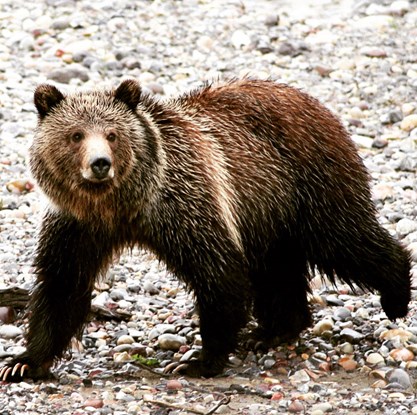
Yellowstone National Park is a very popular international vacation destination, thus there are vastly different perceptions of wild animals with visitors. For example, a Park Ranger said that in some countries, citizens are used to wild animals that are more tame, accustomed to human interaction. The Ranger said these groups of visitors require more education on the significant dangers of our parks’ truly wild animals, which could result in injury or death.
The safety of the animals as well as the safety of visitors is directly related to using good judgement and following some basic guidelines for enjoyment. Wild animals are unpredictable, especially when feeling threatened. Consequently, if animals become too accustomed to people and loiter at crowded campsites or picnic areas, they pose an increased level of risk to the public. For the safety of everyone, these animals may have to be trapped and removed or relocated by wildlife officials.
Each park has its own rules, but the majority require a minimum viewing distance of 25 yards from small wildlife such as squirrels and chipmunks. For elk, moose and deer it is 50 yards, and a distance of at least 100 yards from wildlife predators such as bears and wolves. A good hack to estimate these distances is that 25 yards is about two school bus lengths, 50 yards is about four school bus lengths, and 100 yards is about eight school bus lengths.
All wildlife in national parks are protected by federal law. As stated in the Code of Federal Regulations, 36 CFR § 2.2, feeding, touching, calling, disturbing, taking, possessing, or displacing wild animals is strictly prohibited.
Weather
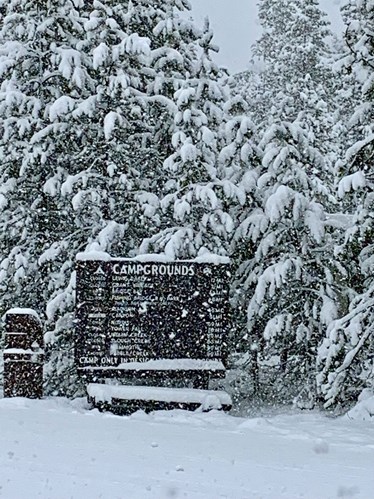
Many national parks are in areas that are subject to extreme weather changes. Some parks can be more than 100 degrees during the day and drop below freezing at night. I have experienced a mid-June Montana day with temperatures in the 70s, and witnessed a front blowing through later that afternoon causing white-out blizzard conditions within just a few hours. These weather incidents may last from only a few minutes to all day long to several consecutive days.
The top weather dangers in national parks are:
Extreme Heat: Heat-related illnesses can quickly ruin your trip. If your body cannot properly cool down, your core temperature rises, which can lead to a variety of issues ranging from heat rash and sunburns to a more critical illness such as heat stroke. Heat-related illness increases with high humidity, high elevation, and strenuous activities, especially if your body is not conditioned or prepared for these activities. There are other factors that increase your risk including age, heart disease, dehydration, and certain types of medication may interfere with and intensify your illness.
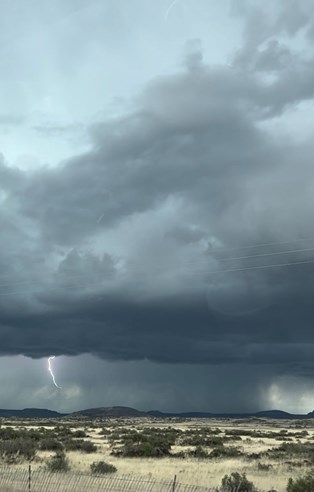
Lightning: Always check the weather forecast before you begin your adventure. In summer, thunderstorms usually develop in the afternoon. In the event you are caught outside in a storm, seek shelter indoors or inside a vehicle. If you are caught outdoors, avoid being the tallest object. Find a ditch or valley or some type of cover like a rocky overhang. Avoid bodies of water, hilltops, or any metal objects that can attract electricity.
Severe Cold: Be realistic about the level of difficulty when moving around outdoors during winter months or extreme cold. Become familiar with the area you will be visiting and forecast during the time you will be there. Make sure you have the right equipment, clothing and gear, and know how to use it. When the body loses heat faster than it is produced, learn the signs of hypothermia (confusion, difficulty speaking, shivering) and how to respond.
Geological Features
Many national parks were established because of their geological features. For example, Carlsbad Caverns National Park (New Mexico) has more than 100 known caves and the world’s largest underground chambers; Glacier National Park (Montana) was named for its ancient glaciers; Grand Canyon National Park (Arizona) has a massive gorge; and Great Sand Dunes National Park (Colorado) was named for the tallest sand dunes in North America.
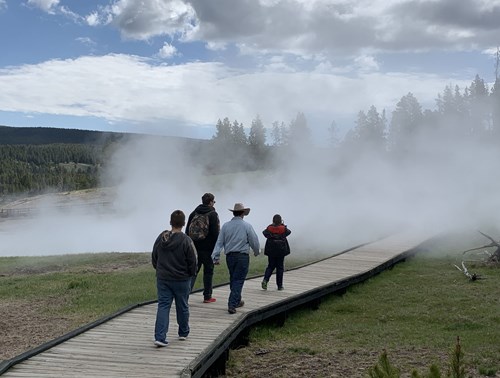
When you plan your trip, learn about the geological features and potential hazards that are found within the park. Ample literature and signage can be found onsite to keep people safe by staying on designated boardwalks or trails, keeping distance from the edges of cliffs, and observing posted warning signs that are unique to the area.
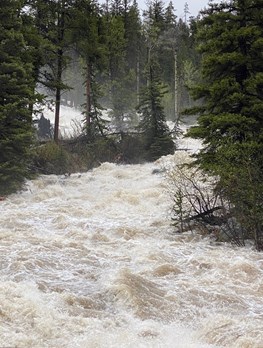
Water: Natural waters, (streams, rivers, lakes, or man-made bodies of water) oftentimes are moving bodies of water and have currents. Some currents are easy to see on the surface of these waters, while others are not and lie beneath. Currents are difficult to swim in and can quickly tire out even the most experienced swimmer. Underwater hazards such as fallen trees or rocks can trap a person, or unexpected deep spots can prevent someone from safely getting back to shore. Cold water can shock your body, and flash floods can happen quickly if you are in low-lying areas.
Caves: One of the major dangers in caving is falling in sinkholes or getting lost within. In 2009, an experienced caver took a wrong turn and became stuck upside down in Nutty Putty Cave, a hydrothermal cave in Utah. After 27 hours of attempted rescue, the caver did not survive nor could be recovered. That fissure is now sealed off.
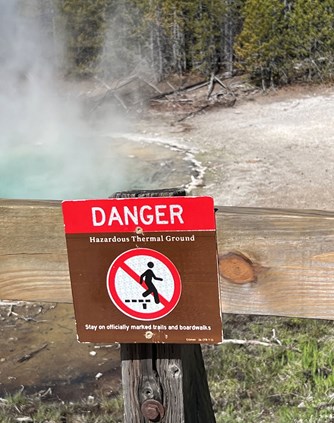
Thermal areas: Parks that have volcanic activity and heat deep in their geologic strata usually have a variety of unique features. These include scalding water, boiling mudpots, geysers, hot springs, fumaroles and steam vents. In Yellowstone National Park, more than 20 people have died after entering or falling into hot springs. Stepping off designated boardwalks is illegal and can result in hefty fines starting at $1,000, jail time, restitution for any damage to the thermal areas, and even multi-year bans from returning to the park.
It is important to remember that national parks were created to preserve nature. Nature can be very dangerous. It is very easy to get hurt, seriously injured or killed in these wild places. The mission of the National Park Service is preservation of these lands and animals and allowing Mother Nature to take her course. The thing I feel the most when recreating in a national park is how small I feel. Just remember, when you enter a national park, you are at the mercy of the elements, limited by geological features, and part of the food chain.
Every National Park is unique, and their environments and weather extremes can vary greatly. Always do your research ahead of time to learn of the potential weather and outdoor hazards of the park(s) you will be visiting, and how to best prepare for a safe and enjoyable experience.
—Heidi Lyn Rao