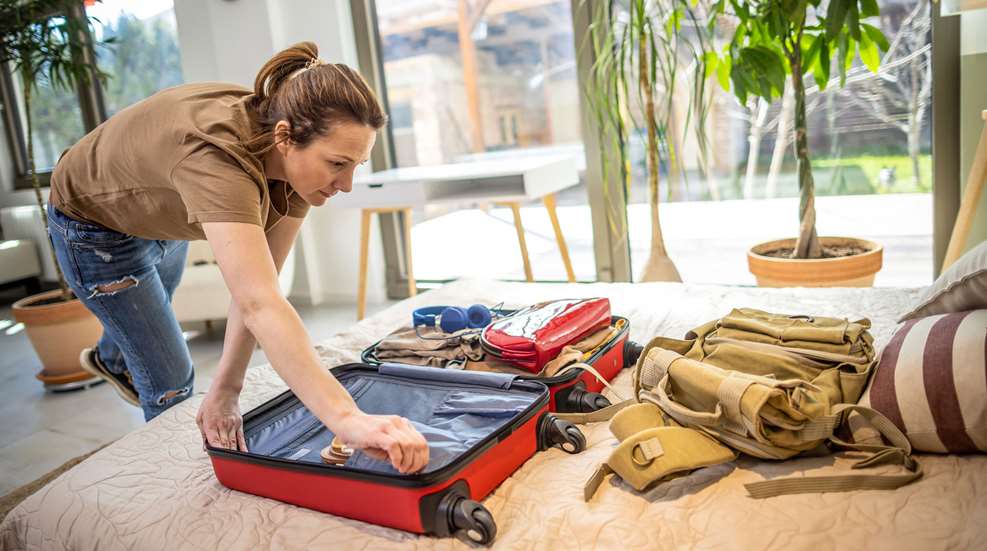
I always prefer to drive to a hunt if I can, but sometimes the distance is just too far—my limit is about a 12-hour drive—and I have flown to plenty of hunts all over the country and the world during a 20-year career as an outdoor writer. I’ve made some painful mistakes over those travels, so heed the following advice I learned the hard way to make your hunting travel go as smoothly as possible.
1. Dress the Part for Flying
Fly in something you can hunt in if you absolutely had to. I used to fly in whatever was comfortable, which included slip-on shoes or flip-flops in the summer, but on a recent turkey hunt, a fellow traveler met us at the airport without her luggage. The airline got it to her later that day, but she was wearing neutral colors and hiking boots, so even if her clothing had gotten lost or further delayed, she could have hunted that evening or the next morning.
These days, my go-to flying outfit is a pair of khaki-green field pants from DSG Outdoors, a green Merino wool sweater, a charcoal gray jacket and a pair of lightweight, uninsulated camo boots from Viktos. It looks like a relatively normal outfit that doesn’t scream “I’m going hunting!” but I could certainly wear it all in the field if I needed to, especially on a big-game hunt. I’ve even been known to wear my heavy insulated boots on the plane if my suitcase is tight on space.
2. Carry Extra Locks for Your Gun Case
Print out your airline’s firearms and ammunition policy, and go ahead and print out TSA’s policies as well. You must abide by both, but not every employee knows their own policy, so if you run into a problem, be exceedingly polite as you point out what the rules are. Specifically, these days, airlines want you to have a lock on every available lock hole on your gun case—I’ve had them add their own lock (without giving me a key to it) to my case because I left just one of the several holes unlocked.
I recommend you carry extra locks when you travel by air. I keep two extra locks inside the gun case and two extra locks in my carry-on. I use the kind with the cable that can be opened by anyone with a TSA key. They’re cheap and they allow TSA to check my gun if I’m not around (some people hate that idea; I find it convenient and figure if someone is going to steal my gun, they’re going to do it with or without a key to my locks). And having some spares can save you some hassle in case one gets broken or lost.
3. Re-Zero Your Gun When You Arrive
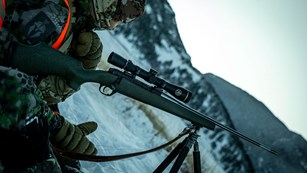
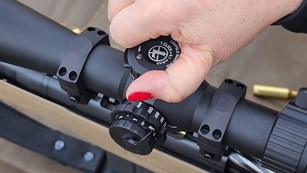
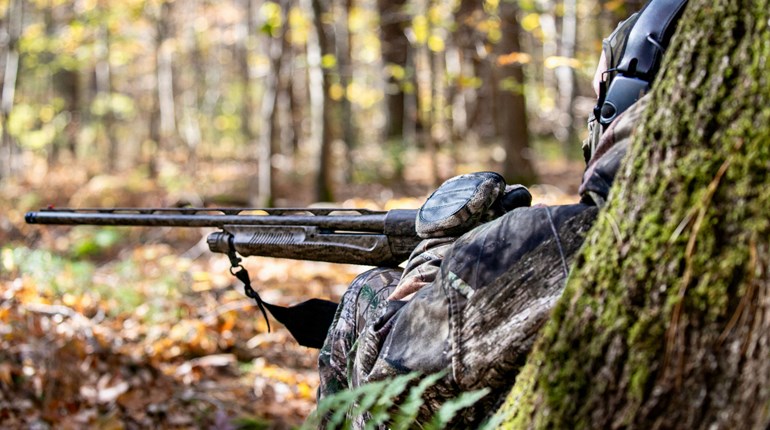
Weird things happen in airline baggage handling, and it’s important that you shoot your rifle or aimed shotgun (for turkey hunting) when you arrive at your destination to make sure it’s still hitting where you think it should. Planning flights for early in the day helps with this, as it allows you to get to camp before dark so you can double-check your gun’s zero.
4. Plan for Ammo
If you’re rifle hunting, bring more ammo than you think you’ll need. I travel with at least three boxes (the TSA limit is 11 pounds). If you run into any trouble sighting in before your hunt, you’ll be glad you have plenty of rounds to use as you’re sorting out the problem, and if you run out, you don’t want to have to search a sporting goods store for the exact brand and weight that your gun likes.
I recommend the same for turkey hunters, but for waterfowl or upland bird hunts, unless you are really picky about the load you shoot, it might be easier to buy ammo when you arrive at your destination or even order a case and have it shipped to camp.
5. Plan for Success
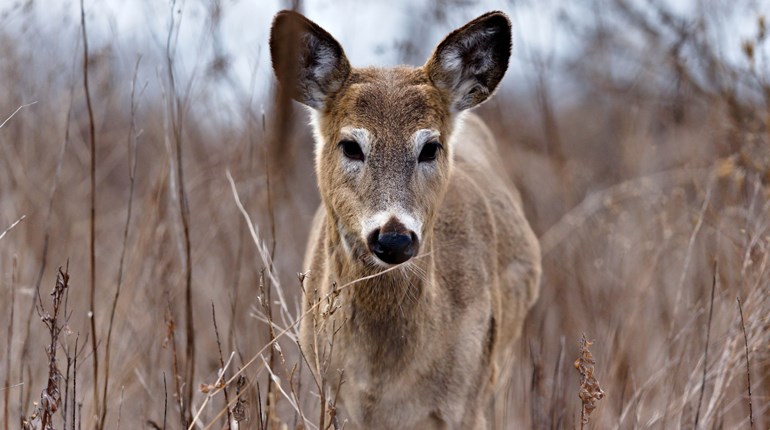
Decide what you’re going to do about meat and taxidermy if you’re successful. This might mean taking an empty cooler or even two as your second or third checked bag on the way there so you can bring meat and antlers or hide back. It might mean buying a cheap cooler and some ice after the hunt (check your airline’s rules on ice vs. dry ice). If you’d like to process the meat yourself, be sure you’ll have access to the necessary space and tools and, of course, ice or a refrigerator or freezer.
It might also mean talking to your outfitter or, if you’re going unguided, doing some research about local processors and taxidermists who will ship meat and finished taxidermy or treated hides and antlers to you. I can’t recommend winging this—don’t just show up, shoot something and then scramble to figure out how to get it home.
6. Pack Light
Somehow I always end up going home with more than I brought, even if I don’t harvest an animal, so I try to leave room in my suitcase for whatever I happen to pick up along the journey. Pack light so that you can do the same. If you’re pushed for space on the flight home, consider wearing those heavy boots or stuffing a couple of items of clothing into your gun case. Consider it extra padding for your firearm!
Bonus advice: This goes for anytime you’re flying anywhere, not just for hunting: Keep all important paperwork (passport, driver’s license, gun permits) easily accessible. Pack your toiletries (travel size) and anything expensive, like binos or a camera, in your carry-on rather than in your checked baggage. Pack your carry-on with everything you’d want or need to spend the night in an unplanned location without your checked luggage—this includes your medications, glasses and contact solution/cases, toothbrush, and a clean pair of underwear and socks if not an entire clean outfit.