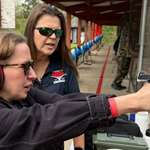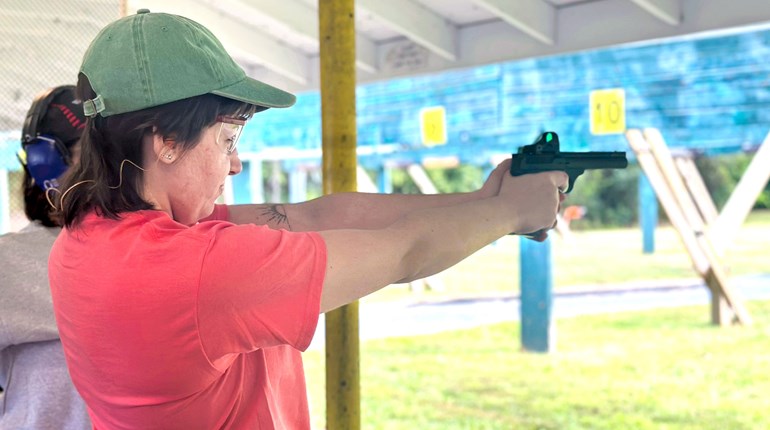
If you have ever brought someone who has never fired a gun before to the range, you know it can be intimidating. It is a big responsibility, both for the person shooting and the person helping them learn. I want to share a few ways to ensure enjoyment, and most of all, safety!
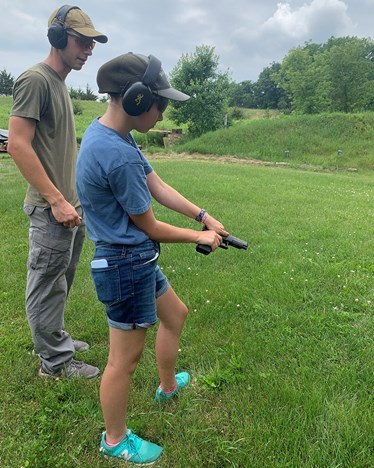
1. Dry fire before you shoot.
Even after you have gone over all the principles of marksmanship and shown the new shooter how to stand, hold the gun, manage recoil, etc., you still want to let the person dry fire. This allows him or her to work the action and understand how much force is needed to pull the trigger. That seems simple to someone who has fired a gun before, but to someone who has not, it’s a helpful step.
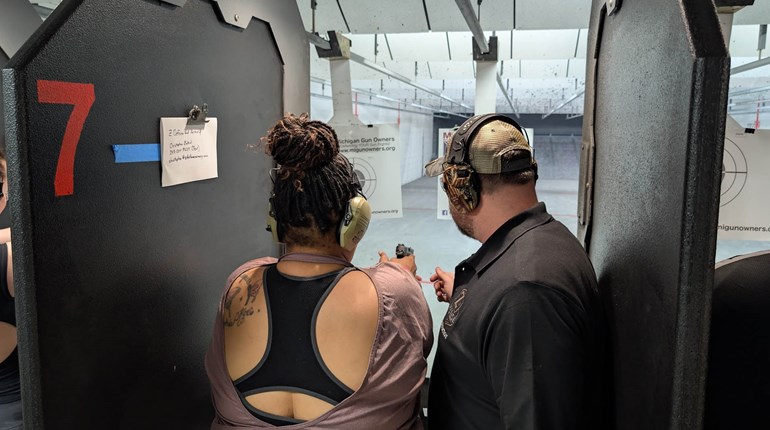
You can also teach them what the reset feels like on a pistol or rifle so they know how far they have to let their finger off the trigger in order to shoot again. This is really simple, but a good way to help them understand what will be happening in their hands as they shoot. It’s also a time for you as a mentor to check their grip and how tightly they are holding the gun. This is especially important with pistols. You can also watch them manipulate the gun and make sure they know not to turn with it or point the muzzle any direction but downrange. A common issue new pistol shooters have is turning the gun sideways while they try to manipulate the slide. Dry-fire can help sort that out without introducing ammo.
2. Choose a small caliber.
It might be someone’s dream to shoot your Desert Eagle or M1 Garand, but that isnotwhere you start a first timer! You should grab the trusty .22, with its almost non-existent recoil, and let them start there. This way, they can learn the fundamentals of marksmanship without a lot of recoil to control. Then ease them into the skills they need to manage centerfire rounds like 9 mm.
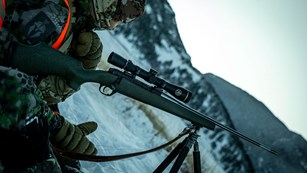
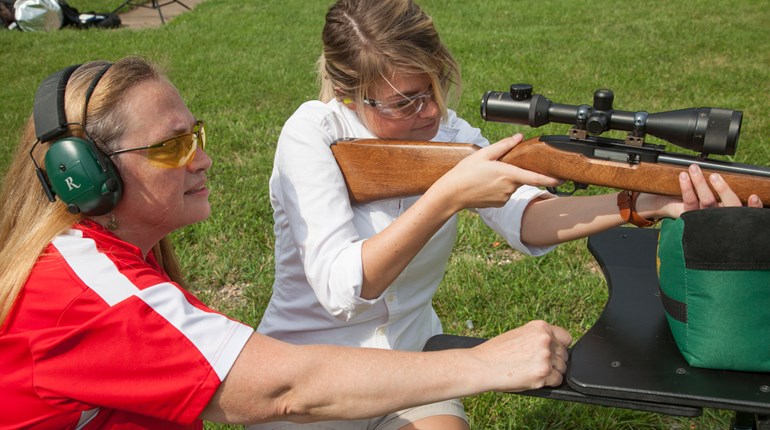
It’s an even better idea to start with a .22 that easily fits a bipod or off a rest or bag at a table. This will help the shooter keep the gun pointed in a safe direction, mitigate recoil and allow them to easily set the gun down after she or he shoots, which might be necessary for an excited person who wants to celebrate.
3. Use a suppressor.
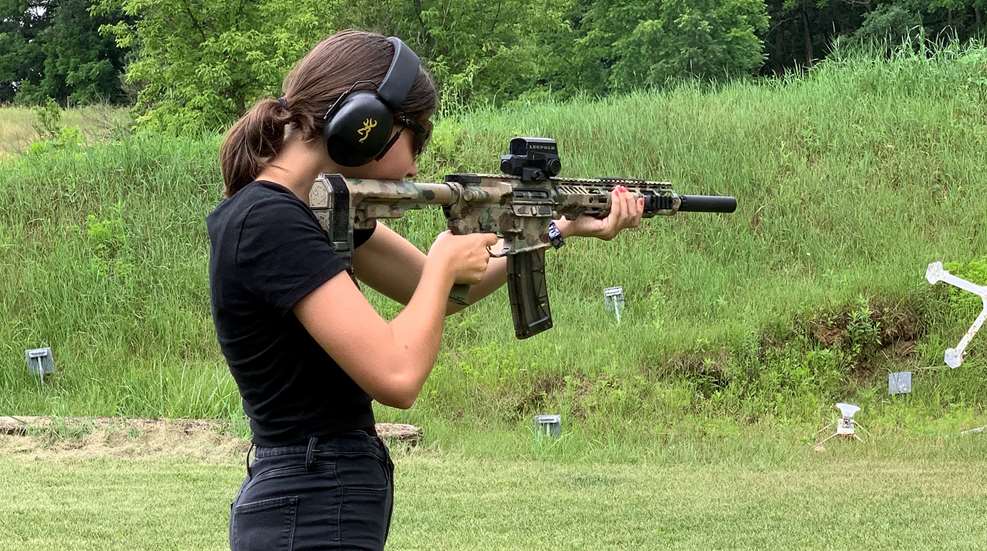
One of the biggest obstacles to overcome when shooting a firearm is our body’s reaction to noise. There’s a tiny explosion happening in our hands—it’s safe and controlled, but no matter how much we shoot, we cannot turn off our body’s reaction to concussive pressure and noise. Using a suppressor allows the new person to learn safely. They can hear better; they have less of a reaction; and it’s just less intimidating.
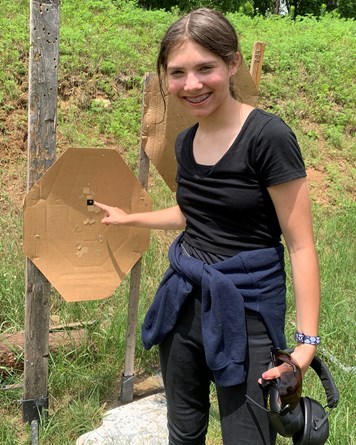
4. Load only one round.
The first time shooting a gun is a big deal! It’s a lot of fun. Some people want to keep the piece of brass from the first round they fired. Maybe they are really nervous. If you only load one round, a shooter can’t turn with a loaded gun, and he or she can’t bump-fire during recoil. It’s one and done. This can put people at ease and help you understand if they are going to need more help. Sometimes people can seem confident and safe, but when they shoot, they get excited or surprised. Using only one round for the first shot can help you and them feel more confident. The act of shooting a firearm requires respect and control. It introduces them to the experience without worry about what to do next. You can even do this a few times, and have them dry fire after the first shot so they understand trigger reset and re-acquiring their sight picture. This will also help you, and them, discover if they are flinching.
If you follow these steps, you can ensure a great experience. Set reasonable expectations for someone’s first time shooting a firearm. And set some limits. Focus on safety and accuracy, and the rest will come with time. This will help not only that person come to enjoy the shooting sports, but all those with which they share their story.