
Aside from keeping you feeling fresh and clean, maintaining good hygiene practices will help boost your morale and keep you focused on what is most important in your unique situation. Whether you are on a multi-day hike, lost in the wilderness, or somewhere in between, you may not always be able to rely on a pre-packed kit or a nearby general store for items you may need. No need to worry, as the natural world around you packs an amazing array of resources for keeping you squeaky clean.
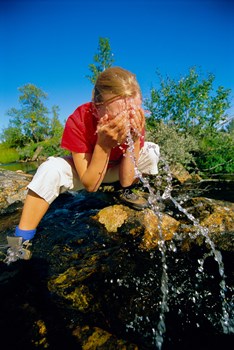
While keeping yourself from stinking worse than trash lying out in the sun may seem of utmost importance, washing off has even greater mental benefits than you may think. By starting your day off with something as simple as washing your face, you begin to build a routine. Make it a point to wipe down after working up a sweat or getting especially dirty throughout your daily activities. Even when water is scarce, or you run out of soap, focus on the high-priority areas: hands, face, feet, armpits, and groin. Not only are you keeping yourself clean, but you are also taking a step towards preventing potential infection should you suffer a cut or scrape.
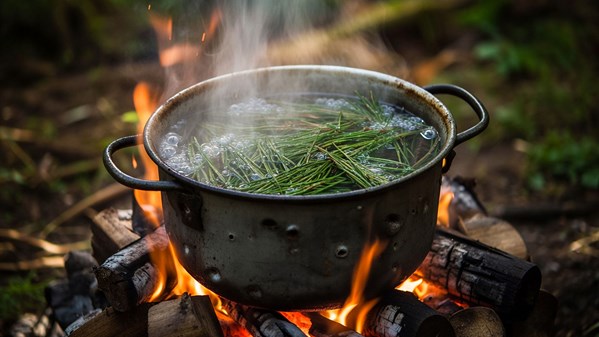
There may be times when you’re put into a situation that leaves you completely unprepared. Education is key, as knowing how to make use of plants and other natural features around you can leave you going to bed clean and comfortable, rather than filthy and uncomfortable, leading to a poor night's rest. One of the easiest fieldcraft methods for cleaning up, with a bonus health element, is pine needles. By boiling pine needles in water, you can make a body wash of sorts that also have antiseptic properties. If you are in an area with no pine trees in sight, try collecting wood ash from your campfire. When combined with water, you can create a body scrub to wash away impurities. This solution, like the pine needle wash, also has antiseptic properties.
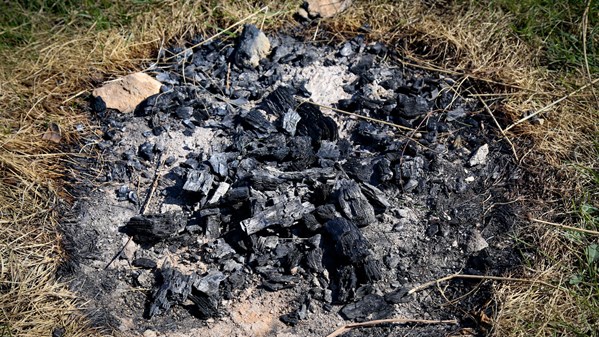
Chances are, if you somehow become lost in the wilderness, you’re not going to be toting around your toiletry bag full of essentials. One of these daily essentials is deodorant. No worries, as you can easily create your own alternative. After your campfire has gone out completely, you can collect the natural charcoal and crush it into a powder. Once finely ground, apply it anywhere you would typically apply store-bought deodorant. This makeshift "charcoal deodorant" will absorb moisture, but it also helps neutralize unwanted odors. If you need to deodorize but can't use the natural charcoal method, it is time to draw on your plant identification skills. The leaves of wild mint plants can be rubbed directly on your skin, leaving you minty-fresh and with the antimicrobial benefits of the mint helping keep away germs. You can even slip some leaves into your shoes to keep them from stinking up your sleeping quarters at night. You’re going to have to learn to be creative when figuring out how to take a bath when you're out traversing the wilds, either by choice or by other circumstances. The easiest way to wash up would be to find a clean stream and take a dunk. If you're feeling crafty, you can bundle moss or grass to create a natural sponge for scrubbing away dirt and grime.
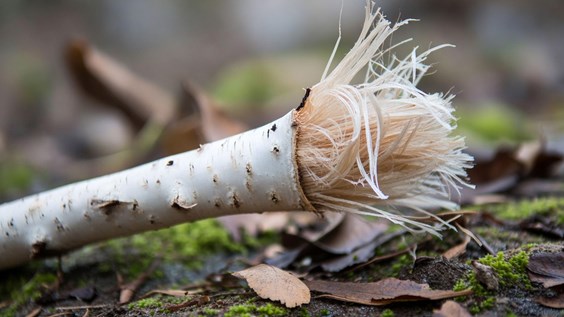
To maintain oral hygiene while keeping those pearly whites in tip-top shape, be on the lookout for chewable twigs from trees like willow or birch. Additionally, if you strip the bark and fray one end, you have created a makeshift, primitive toothbrush that has natural, mild antimicrobial properties. If you're in a pinch without toothpaste, crush a piece of charcoal or a small bit of clean ash from your campfire. Each of these natural elements will go a long way to keep your teeth clean and your mouth fresh while away from the creature comforts of home.
For hair care, you can use natural materials such as leaves or fine sand. Gently rubbing sand through your hair while softly massaging your scalp will aid in removing dirt and oil buildup when water is scarce. If you choose to utilize this method, just be sure to do so gently, as you want to avoid causing yourself scalp irritation.
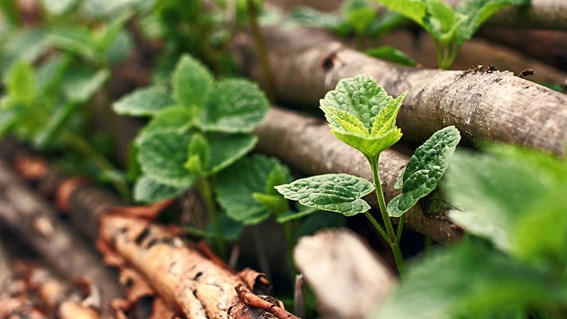
Maintaining good hygiene whilst outdoors is also about adapting to your environment and using your senses to identify what's available around you. In addition to the methods already mentioned, take a moment to check out nearby vegetation. Some plant varieties, such as chickweed or plantain, can be used to make an ointment for minor cuts and skin irritations. The ability to confidently identify local vegetation and how you can use it to maintain your health and cleanliness is a valuable skill.
Lastly, remember the mental aspect of cleanliness and good hygiene. You can significantly improve your mood and morale during stressful situations by taking a moment for self-care. By doing this, you will remain healthier in the long run, but this is not all. Taking good care of yourself on the outside also has benefits for what lies within. You will also be taking active steps towards fostering a more positive and resilient mindset. Creativity, adaptability and a willingness to tackle the most unexpected of situations will allow you to thrive in any outdoor scenario. Whether you are on a thru-hike or enduring an unexpected setback, the ability to stay clean using only what nature provides is a great reminder that, even in the vast expanses of the outdoors, you’re never truly without what you need.