
Unfortunately, should you ever find yourself in a self-defense situation, you’ll already be at a disadvantage. The bad guy has chosen virtually all the terms: He picked the date, the time, the place and most of the circumstances. The only thing you really have control over is whether you have the mindset and the resources (a defensive weapon) to have a fighting chance of coming out on top—and both of those decisions were made long before the moment of truth arrived.
We carry concealed to be ready for the kind of situations that we hope we never face, but the truth is, if you ever have to defend your life, you’ll be reacting to something someone else is doing—and reacting means that you’re behind. The bad guy is, at least initially, making the first moves that kick things off. How do you overcome this time deficit and level the playing field or gain the advantage?
First, understand what’s happening timewise. Go ahead and take this little reaction-time test a couple of times (it only takes a few seconds).
How long did it take you to react to the stimuli? The truth is that the average human reaction time is 250 milliseconds, or a quarter of a second. Some are better than others—fighter pilots, race-car drivers and the like are closer to 100 milliseconds.
But that’s just a reaction to a simple stimuli and response, like seeing a color change and clicking a mouse as in the test above. When you add in a much more complicated, multi-layered response like drawing a firearm from concealment and presenting it to a target while moving toward cover, the time between “this is bad, I need my gun” and being ready to shoot is much longer. And at the same time, the stress is causing your heart rate to increase and your decision-making ability to tank. Normalcy bias makes it even worse, as your brain tries to deny what’s happening and takes time to catch up to reality.
Just Pay Attention
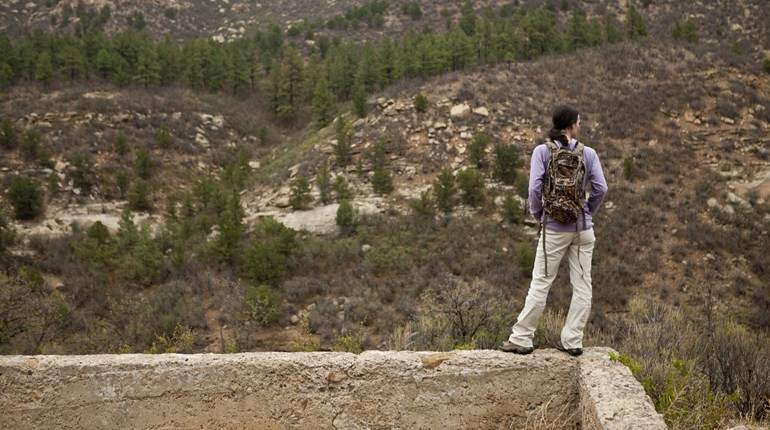
The best way to overcome the reaction-time deficit is something we harp on frequently here at NRA Women: situational awareness. If you can see trouble coming toward you when it’s 20 yards away instead of three yards away, you’ll buy yourself a second or two of processing time that can make all the difference—but you won’t see it from 20 yards out if you’re not paying attention to what’s going on around you.
Situational awareness doesn’t come naturally, but we have some tips you can use to exercise and build that muscle. The faster you notice trouble brewing, the better chance you have of avoiding it or reacting quickly if it does kick off.
Beyond that, what’s even better than seeing trouble coming? Avoid trouble altogether by simply not being in places where trouble tends to brew.
The Lizard Brain’s Response
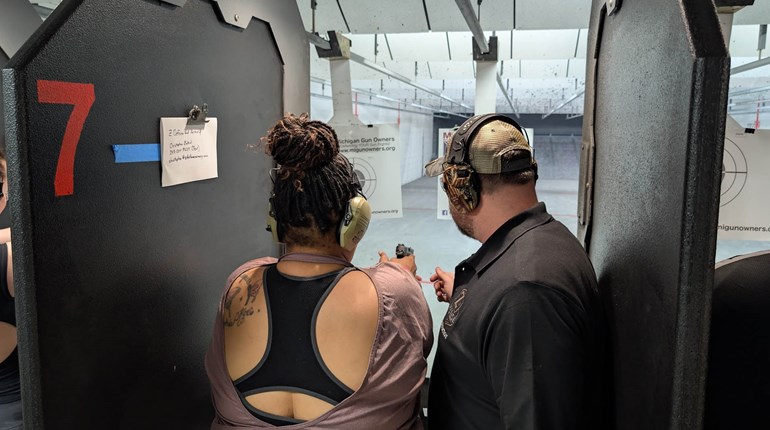
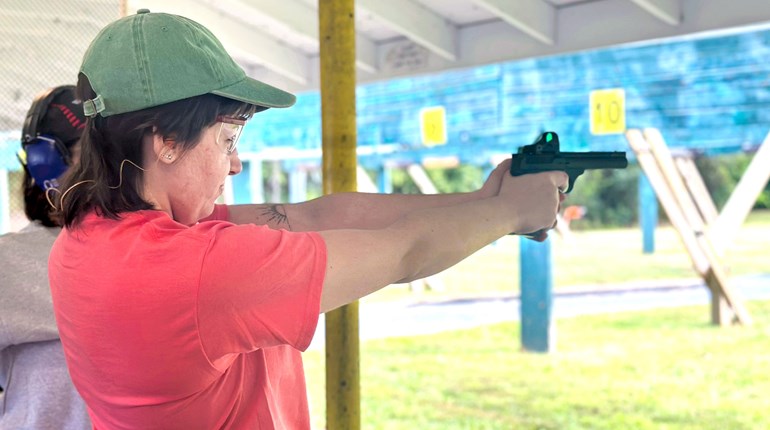
You also need to understand what’s happening inside your brain under this kind of stress. First, the automatic response to danger happens in your primitive “lizard brain,” which processes things emotionally and is really quick to react, but has limited pre-programmed responses. The lizard brain doesn’t think; it just acts. When people say, “you sink to the level of your training,” this is what they mean. The lizard brain picks up whatever response it has thoroughly practiced or determined in advance. If you regularly think through “What would I do if?” scenarios and train with your CCW consistently, your lizard brain has those things pre-programmed and ready to run without thinking. If you don’t, it defaults to fight, flight or freeze and chaos generally ensues.
The more advanced and rational human part of your brain can process information, make logical decisions and control itself—but it’s considerably slower than the lizard brain, so it takes a back seat under stress. It’s not easy to get the human brain to overtake the lizard brain in a crisis, but you can practice consciously running an OODA loop in everyday life so that your lizard brain is more likely to start doing it in an emergency. And by training regularly, you can give your lizard brain the kind of pre-programmed responses you want it to have.
The more time you have to react to a situation, the more time you have for your rational brain to kick into gear. This won’t apply if a bad guy steps out from behind a corner and ambushes you, but there are plenty of dangerous situations where you’re near trouble but not the focus of it at the moment (like active shooters, or being a patron of an establishment that’s being robbed at gunpoint). In a situation like this, the sooner you can get past your panic and think “OK, this is scary, but what can I do about it?” the sooner you can start acting instead of reacting.
The bottom line is that in most self-defense situations, the bad guy dictates what’s happening (at least initially) and you’re stuck reacting, which costs you time. You’ll be behind. The best way to handle this is to avoid getting behind in the first place, by spotting trouble while it’s developing. Barring that, it’s wise to use your rational brain to pre-program your lizard brain with the reactions you want it to access in an emergency—and that’s something you do now, in a calm state of deliberate training, thinking and practice.