In Troubleshooting Your Target: When You're Shooting Left, I addressed one of the two most common shooting errors—left-side placement. In this article, I will address the other most common shooting mistake— right-side placement errors.

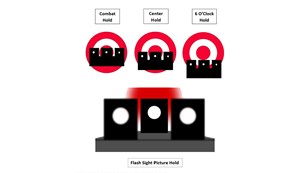
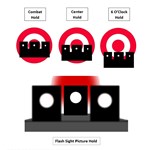
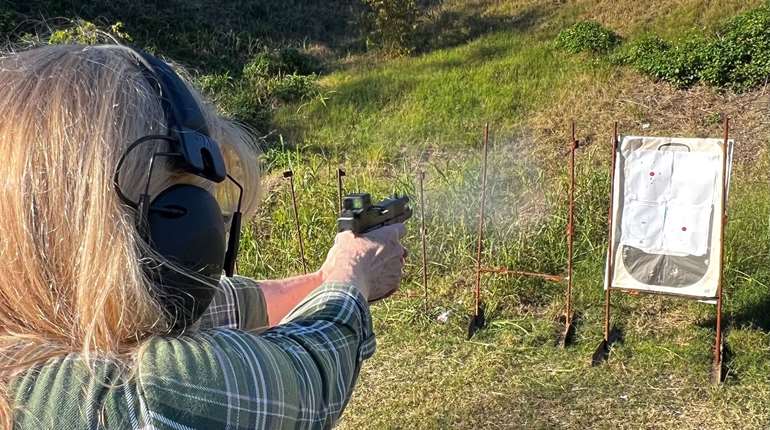
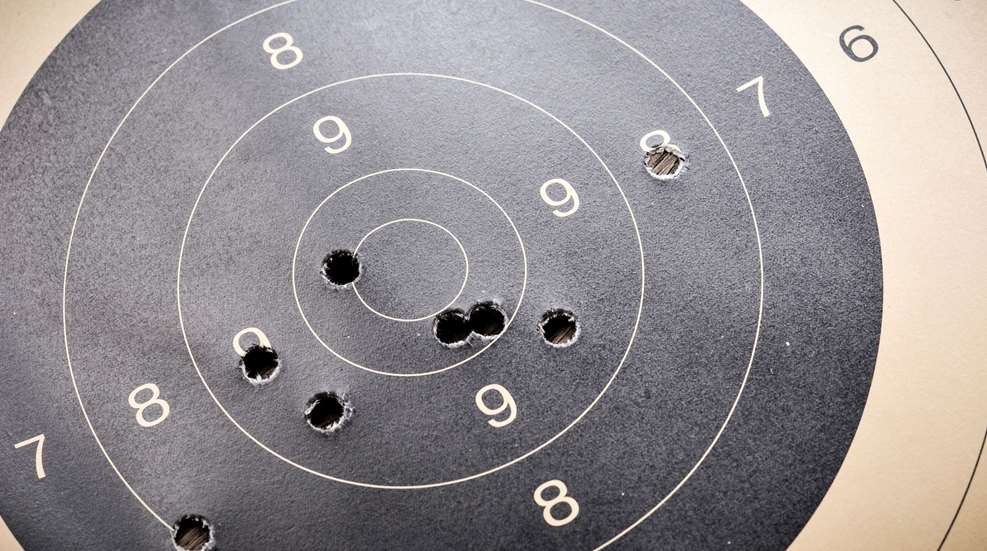
If you are aiming at the bullseye, and your shot placement is at about the one o’clock position, your cluster is considered high right placement. There are several causes for this shooting error. First, if you are a novice shooter, you could be flinching a bit, anticipating recoil.
Anticipating the shot results in the shooter pushing on the gun just before the recoil in order to halt the effect. Second, no matter how much shooting experience you have, you may be “heeling,” which is applying pressure with the heel of your hand while the pistol fires. Finally, check your grip. You may be slackening or loosening your grip.
If your shot placement falls in the three o’clock position, called, right horizontal, you could be “thumbing”—which means you are applying too much pressure with your thumb. Too much thumb pressure can drive the barrel toward the side of your dominant or strong hand (your other hand in a proper pistol grip is the support hand). Another cause could be poor sight alignment; in this case, your alignment is off to the right.
Low right placement means your shots are landing at about the four or five o’clock positions. Possible causes include jerking the trigger, which would cause the shooter to pull both the trigger and the gun to the right. To achieve proper trigger control, apply gradually increasing pressure to the trigger until the shot is fired. Also, similarly to high right placement, be wary of slackening your wrist while the pistol fires.
Low center placement means your shots are landing in the six o’clock position. Possible reasons include poor grip‑you’re moving your wrist down while shooting. Another cause is poor follow-through; in other words, you lower the gun before the bullet escapes the barrel.  To achieve good follow-through, be sure your finger stays on the trigger until the mag is empty. After you shoot your first round, allow the trigger to reset with your finger on it. You may also need to work on your sight alignment. The problem could be that the front sight is centered, but it is too low. Finally, a less-common cause of low-center placement is fatigue, or a lack of concentration. The shooter is tired, or not concentrating on the bullseye/sight alignment, and unconsciously lowers their head.
About the Author: Maureen Sangiorgio is an NRA Certified Firearm Instructor/Range Safety Officer.
Additional Reading:
Troubleshooting Your Target: When You're Shooting Left
Troubleshooting Your Target: When Your Grouping Is Scattered
Troubleshooting Your Target: Sight Alignment Mistakes