
For many people, there’s nothing better than spending time outdoors … until you find yourself staring down a sprained ankle or a snakebite with no doctor in sight. Whether hiking through the woods, climbing over rocky terrain, or camping under the stars, nature has its own surprises, some more pleasant than others. Typically, the ability to receive medical care if injured isn't an issue, but if you're in a remote location, it could take hours or even days to reach medical care. While preparation is key to avoiding dangerous situations, knowing basic wilderness first aid is equally important. This will help you handle what comes your way and ensure the person involved is cared for. Here are some of the more common scenarios you may find yourself or others in and how to address each one accordingly.
Prepare
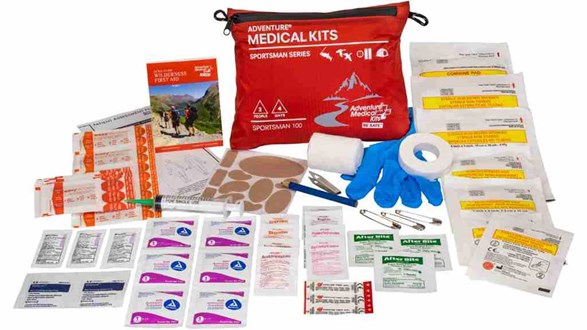
The best way to stay safe outdoors is to prevent accidents from happening in the first place. Preparation is key to remaining safe and injury-free. Before your trip, take time to research the area you'll be exploring. Things to become familiar with include local terrain features, wildlife and any other potential hazards. Custom-tailor your first aid kit by adding additional items such as blister bandages, water purification tablets, and similar items. Lastly, let someone know your travel plans, including your intended route and your anticipated return date. By doing this, if you do not make contact at an agreed time, your emergency contact will know something may have gone awry and can contact local authorities.
Assess
Being able to quickly assess a situation and its severity is a vital skill. Memorizing and understanding the acronym ABC will serve as your guide. First, you must check their airway, breathing and circulation. If the affected individual is unconscious, check his or her airway for signs of obstruction. If they are not breathing, you will need to administer rescue breaths. Lastly, check for a pulse and signs of bleeding or other injuries. Bleeding and other injuries can be addressed in a number of ways depending on severity, but if they don't have a pulse, you will need to administer CPR. There are many organizations that offer courses to anyone unfamiliar with how to do so, many of which are free of charge.
Injuries
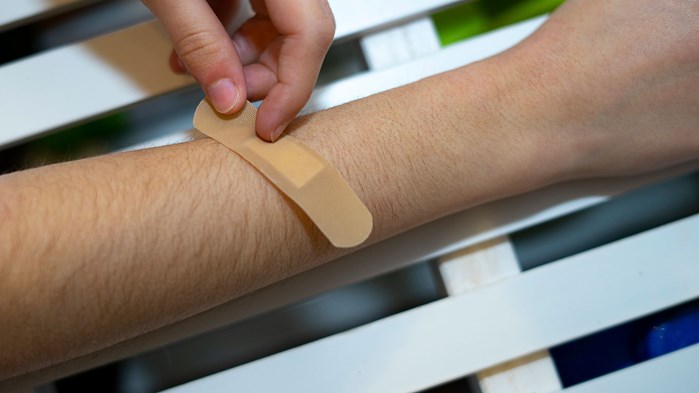
The most common injuries you will address are cuts, scrapes or puncture wounds. To treat these minor injuries, start by cleaning the affected area with the cleanest water available. Avoid using water from ponds or streams if it hasn't been purified, otherwise you risk a bacterial infection. Apply pressure to the affected area to control any residual bleeding. Severe cuts may require application of a tourniquet if bleeding cannot be controlled by pressure alone. Use this only as a last resort, placing it a few inches above the wound to slow blood loss, and note the time the tourniquet was applied.
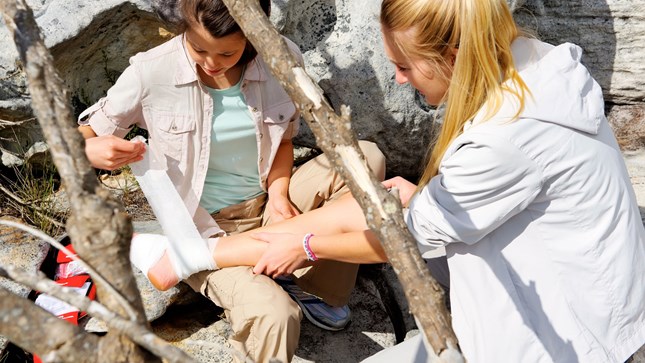
Injury to bones and joints can be especially challenging to manage outdoors. Broken bones must be immobilized as soon as possible using whatever materials are available, such as a branch or a trekking pole. If you or a friend managed to sprain an ankle or wrist, then rest, compression, ice and elevation are your best friends. If ice isn't available, simply resting and compressing the affected area can help control swelling.
Shock
Shock is a serious, potentially life-threatening condition that can accompany an injury, significant blood loss, or exposure to extreme weather conditions. A person in shock may exhibit symptoms such as clammy skin, a rapid pulse, shallow breathing, and even appear confused. Have the affected individual lie down and, if possible, elevate his or her legs to help blood circulation, while at the same time taking steps to keep them warm. If the person is conscious, offer small sips of water to keep them hydrated.
Environmental Challenges
The environment itself can lead to specific health challenges, such as heat-related illnesses or hypothermia, if someone has prolonged exposure to extreme temperatures, both high and low. For heat exhaustion or heatstroke, moving the person to a shaded area and hydrating them is critical. Someone suffering from heatstroke may appear confused or be breathing rapidly. Cool the person down by applying damp cloths to their wrists, neck, and armpits, fanning them to help bring down their body temperature. Hypothermia, on the other hand, requires the person to be warmed gradually, as doing so too quickly could send them into shock. Layer the person in warm clothing or blankets, keeping them protected from the cold ground. Avoid caffeine and alcohol, as both affect circulation and may cause their condition to worsen.
Wildlife
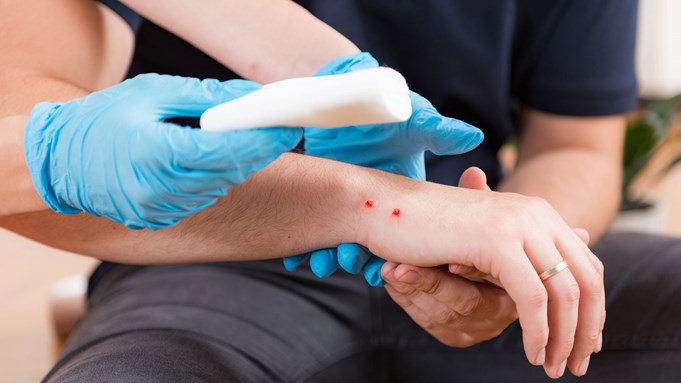
Encounters with wildlife are another area of first aid that may require you to tend to anything from bites to stings. Remove any visible stinger for insect stings and apply a cold compress to reduce swelling. If the person has a known allergy, an Epi-Pen might need to be administered, which can be lifesaving if help is far away. Snake bites are more complex. If bitten, keep the affected limb below heart level to slow venom spreading throughout the body. Ticks are a common insect that may attach themselves to exposed skin. When removing attached ticks, do so as close to the skin as possible, preferably with fine -tipped tweezers. Be sure to remove all portions of the tick, as it is easy to leave behind small portions. Lastly, familiarize yourself with the signs and symptoms of common tick-borne conditions.
Taking the effort and the time to educate yourself on basic first aid techniques prepares you to confidently handle unforeseen emergencies that may arise. These skills help ensure that both you and your friends stay safe, healthy, and ready for the next adventure and whatever challenges it may bring.