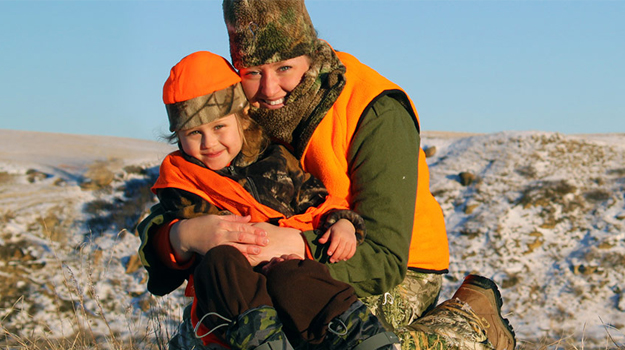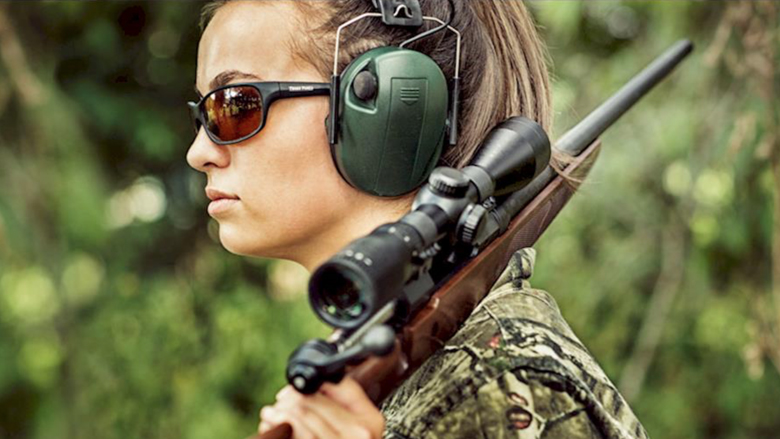

Long before camo patterns adorned our jackets, boots, and hats, Mother Nature had already perfected this skill into what seems like an art form. Animals often rely on their ability to conceal themselves to remain safe from predators seeking their next meal. Here, we will take a closer look at the various camouflage techniques found in nature, why they are used, and how these methods can provide hunters, wildlife photographers, and outdoor enthusiasts ideas about how they themselves can better blend in.
Color Matching
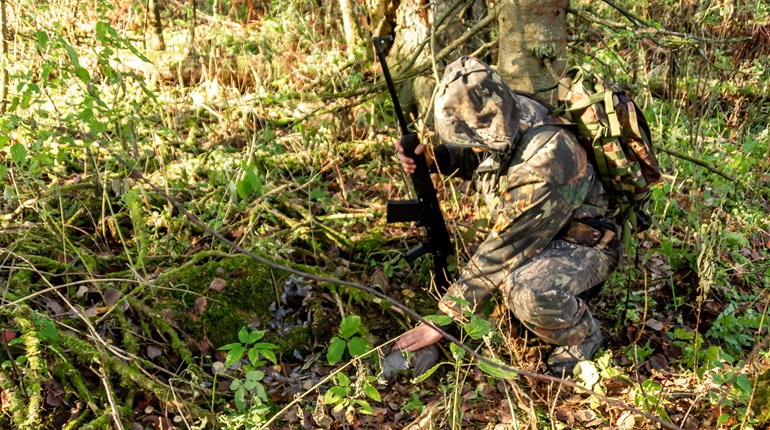
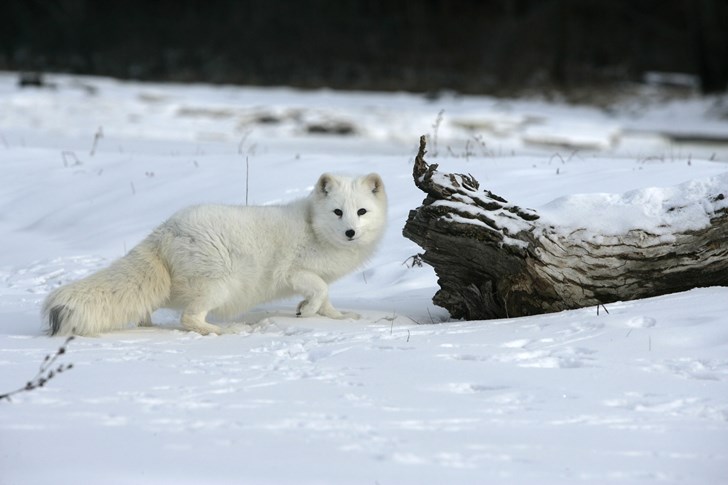
Color matching is one of the simplest, yet most effective forms of camouflage used by animals and insects. By matching their environment, they blend into their surroundings. Arctic foxes sport a brownish-gray coat during the summer that blends seamlessly with the rocky tundra they call home. Winter brings a change in color in not only the landscape, but the fox's coat as well, as it sheds its brown fall coat in exchange for one that is a snowy white color. This seasonal change allows it to blend in with the snow and ice. Humans can use this concealment technique by wearing clothing that matches the colors in their environment. In a forested area, that might mean greens and browns. In the fall, warmer hues that match the changing colors of the vegetation may be more effective.
Disruptive Coloration
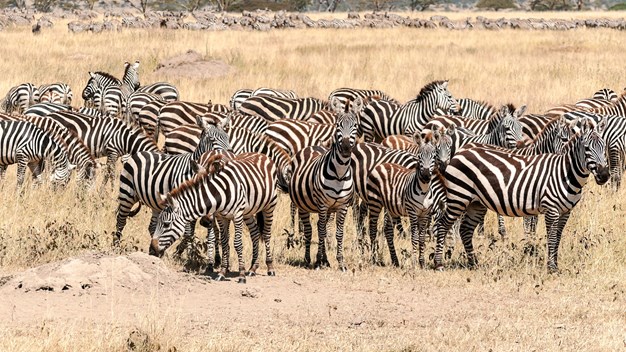
Some animals and insects rely on patterns that don't necessarily match the background but rather break up their outline. By using contrasting colors and irregular shapes, the eye becomes confused, which makes it difficult to detect a recognizable shape. The black-and-white striped pattern of zebras pops against the gentle earth tones of the African savannah. Lions can easily single out a zebra standing by itself, but once several are gathered together in a herd, their stripes begin to swirl and blend together, making it difficult for the lion to single out an individual animal. Hunters can adopt this same method by looking for camouflage patterns with irregular shapes and contrasting colors. Just like zebras, this method may seem counterintuitive, but breaking up your outline makes it harder for animals to detect your presence.
Countershading – Light Above, Dark Below
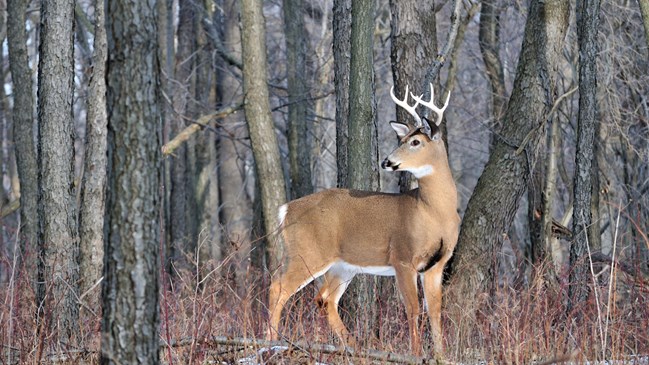
Countershading is a common technique where an animal's underside is lighter than its back. Marine life and woodland critters, such as squirrels, use this method to protect themselves from hungry predators. With a dark coloration on their upper half, predators above have a hard time detecting them as they blend into the dark vegetation of the trees. The bottom portion of the animal is typically lighter in color, allowing it to blend into the sky's brightness and protecting it from predators below. Countershading can also benefit hunters. Strategic use of shadows and being mindful of how light hits you will have a significant impact when it comes to reducing your visibility.
Mimicry
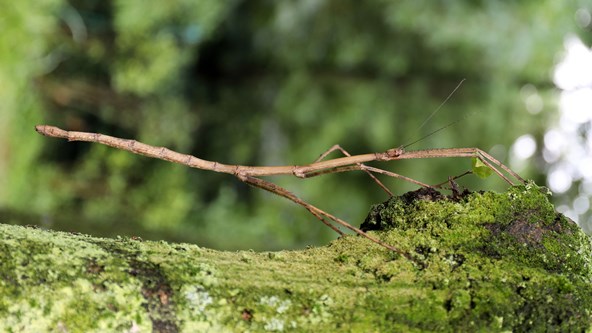
Taking things a step further, there are some insects that mimic natural items in their immediate vicinity due to the powers of mimicry in nature. By their tails, they can imitate the unique shapes of leaves, fooling hungry birds or snakes. As a bonus, should one take a chomp out of its tail, it can regenerate a new one! Another prime example of mimicry is that certain animals go beyond just blending in; they actively mimic parts of their environment. The leaf-tailed gecko is a prime example—it doesn't just match the colors of its surroundings but even mimics the shape and texture of a leaf, complete with tail veining that resembles a leaf stem. Stick insects, commonly called walking sticks or stick bugs. These insects resemble a twig or small tree branch, and their imitation makes them almost impossible to spot. For outdoor enthusiasts, mimicry can inspire ideas for better concealment of your location. This might involve adding natural elements to your setup, such as using foliage to conceal your blind.
Seasonal Camouflage
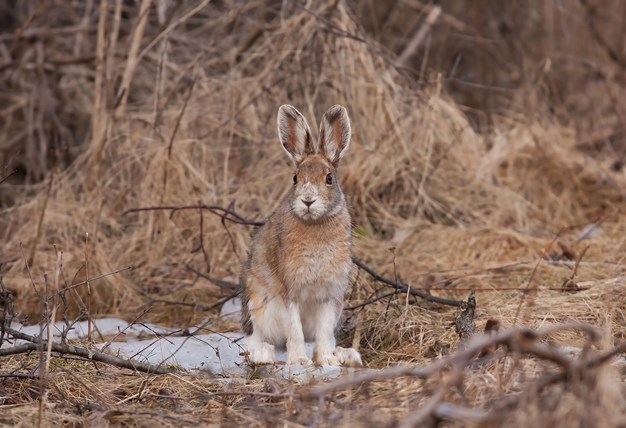
By changing their appearance with the seasons, animals can remain concealed all year round. By sporting a white coat in the winter and switching to a brown one in the spring, snowshoe hares greatly increase their survival odds. This seasonal adaptation helps protect the animal from predators, no matter the season. This seasonal change in camouflage also applies to hunters, with green and brown camo patterns working well in early fall when vegetation is still present. As fall gives way to winter and the forest floor is blanketed in snow, those same clothing patterns would make the hunter stand out like a sore thumb, requiring slight adaptations.
Distraction
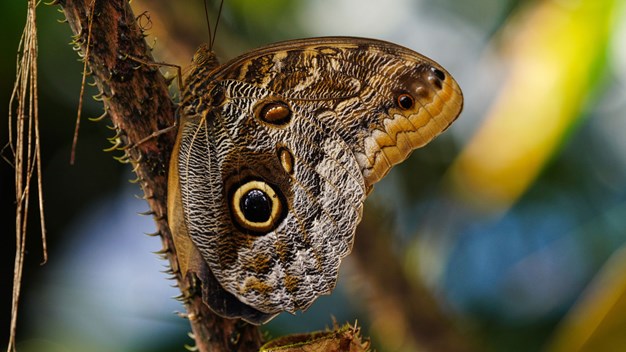
Distraction is also used as a form of camouflage. This technique draws attention away from vulnerable areas of the body. For example, moths with an eye spot on their wings can trick a hungry bird into biting down on a non-vital part of the body. Certain fish species have colorful markings on their fins to confuse predators and give them an escape advantage. Distraction might be slightly different to incorporate directly, but hunters can learn from this technique using decoys or visual misdirection. Turkey hunters often use hen decoys and calls to divert a dominant tom's attention, thus drawing it closer to their position. During deer season, scents, antlers rattling, and other methods are deployed to draw a buck looking to breed within range without alerting them to their position.
Understanding these methods can provide ideas and strategies that you yourself can utilize. Simply watching and learning how animals blend into their environments improves success rates when hunting, landing the perfect photograph, or even avoiding a dangerous situation. Just as in the wild, the best camouflage comes down to knowing your surroundings and adapting to them. With a bit of insight from nature, we can all become a little more invisible out there in the wild.