
Responsible gun owners hope we never have to use a firearm in defense of our home or our life. There are several reasons you should take that very seriously, not the least of which is the legal quagmire you could find yourself in afterward. If you are ever involved in a self-defense shooting and your case makes it all the way to trial, almost anything can happen. Juries can be unpredictable and prosecutors can be ruthless—any little thing from your past or present can be dragged out in front of the entire world, and an aggressive prosecutor might try to twist what you thought were innocent comments to paint you as some kind of bloodthirsty killer. Don’t make their job easier.
The best way to protect yourself from this kind of inquiry in the future is to live a good, clean life and develop a reputation as a person of integrity. I’m going to go ahead and assume you’re already doing that.
The next step is to take a critical eye to how you present your gun-carrying persona to the world. Maybe you’re the gray-man type who blends in to the point that most people don’t identify you as a “gun person.” Or maybe you’re more loud and proud—that’s OK, too, but you do need to be smart while you’re being outspoken.
First, the signs, stickers and T-shirts you display to the world say a lot about you. I’m definitely not telling you to avoid Punisher T-shirts and gun manufacturer stickers on your truck, but do be aware that a prosecutor will bring up that Punisher thing and try to convince a jury that you see yourself as a vigilante. What you really need to think carefully about are signs at your home that say things like, “Ammo is expensive—we don’t give warning shots” and “If you can see this, you’re in range.” You might consider them amusing and even lighthearted, but if you do actually ever have to defend your home, that sign is absolutely coming up in court. And if you own a “Shoot first, ask questions later” T-shirt? Good luck defending that.
Second, the comments you make to friends and family, and especially the comments preserved forever on forums and social media, will be brought up to paint you in a poor light. I’m not telling you to cower on social media and hide who you are and what you’re interested in, but you should be measured and smart about what you say and what you post. Every time someone gets something stolen from their garage or driveway in my small town, the social media posts start lighting up, and it doesn’t take long at all before the “Let them try that at my house” and “I’ll shoot anyone who sets foot on my property!” comments start. DO NOT say things like that on social media, folks, especially not in open groups or on a public profile. A prosecutor will use anything possible to make it look like you were just itching to shoot someone. And be responsible and mature when you post photos of you with guns. That goofy picture you and your buddies took 10 years ago of you holding up pistols and wads of cash and flashing faux gang signs is not going to look so funny when it’s blown up to poster-size and displayed to a jury.
What about your gun and gear? It will absolutely get examined in court, and a prosecutor will question why you had hollowpoint bullets and a red-dot or a suppressor or whatever other accessories or modifications the gun has. I’m not super worried about this—I’d rather you have the most effective, efficient defensive tool possible, and let your defense attorney explain that hollowpoints are the commonly accepted best choice of ammo and that a red-dot sight actually makes the gun more accurate and, theoretically, safer to use. So trick out your gun with whatever you think makes it work the best for you, but do be aware that it will come up in court. And maybe don’t put any John Wick stickers on your holster or a “Smile for the flash” sticker on your AR.
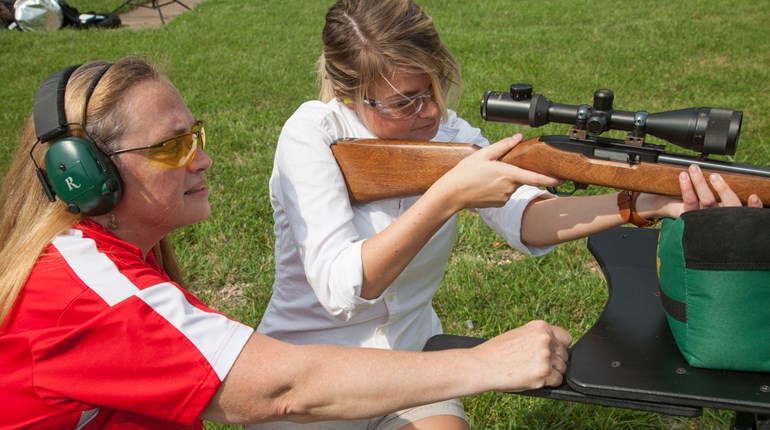
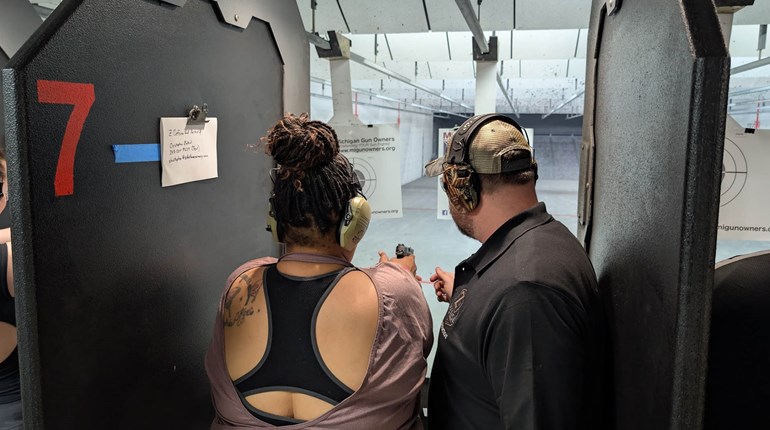
Even the training you take can be brought up and spun against you. Getting good training makes you a responsible, safer gun owner, but just be sure that the training you choose comes from reputable instructors who emphasize safety. Any defensive-minded training you undergo should start with acknowledging that de-escalation and avoiding a fight is preferable to having to use deadly force.
In the immediate aftermath of a self-defense incident, what you say matters a LOT, because it will be brought up in court if things progress that far. What you say to 9-1-1 matters, and keep in mind that 9-1-1 starts recording even before the operator answers. What you say to the police matters, both at the scene and later at the station when you’re brought in for questioning. It’s best to give them very basic details: I was attacked, I used my firearm in self-defense, my gun is now in my holster on my right hip, the bad guy is over there, his gun is on the ground, his accomplice ran that way and is wearing a green shirt, and that lady across the street saw everything. Then say “I’d like to speak to a lawyer before giving a detailed statement,” and shut up.
What you don’t want to do is tell the 9-1-1 operator or the cops something like “He deserved it”; “I didn’t mean to kill him, just scare him away”; “I don’t know what happened, I just dumped the full mag”; and other things that can paint you in an unfavorable light or bring into question whether you should have used the gun at all.
I say all this not to scare you away from using deadly force to protect yourself, but to give you a realistic expectation about what you might face in court if you ever need to use a self-defense-based justification. Some of that is beyond your control, but you can make the prosecutor’s job harder by being smart and responsible about gun ownership and how you present yourself to the world—and that starts now. After an incident, it’ll be too late to go back and scrub your social media or try to walk back any aggressive or questionable comments.