
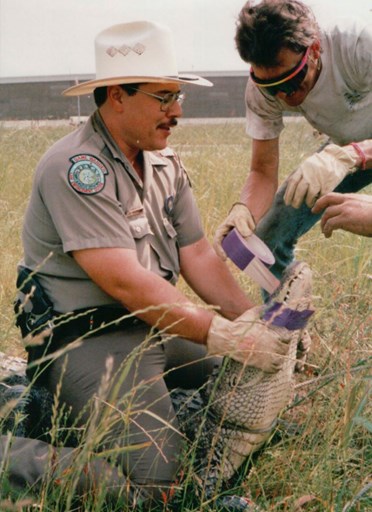
Game Wardens are a unique category of law enforcement officers. I can say this with confidence because I married one! My husband, John, who is now retired, was employed by Texas Parks and Wildlife for almost 30 years. From enforcing Texas laws, to catching and moving alligators and the occasional manatee, to patrolling the Texas/Mexico border, I never knew what adventure John was going on next.

I feel like I was asked “What Is a game warden?” as often as John. There were three questions that always seemed to come up: “Are game wardens peace officers?”; “Do game wardens need a search warrant?”; and “Can a game warden come onto my property without my permission?”
Game Wardens are Peace Officers
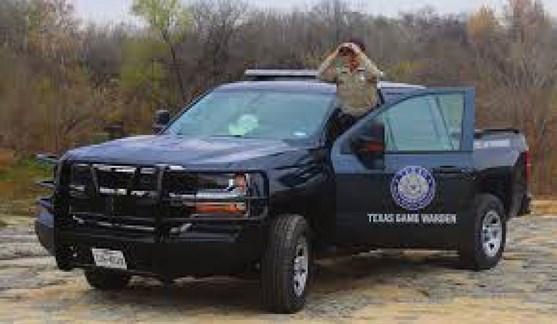
Most game wardens in the United States are law enforcement officers, also known as certified peace officers. Game wardens are often looked at as larger-than-life lawman, especially in the southern and western United States. This is because they have a unique job compared to other peace officers. Game wardens usually patrol in a truck, boat or on horseback. They work by themselves deep in the backcountry, swamps and offshore out to 200 miles or more.
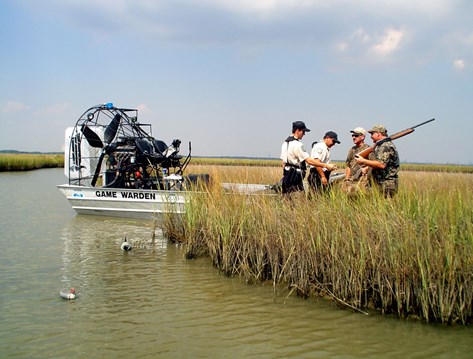
Game wardens are state peace officers in the state in which they are commissioned. In Texas, Game wardens are a separate state law enforcement agency.
There are three state peace officer agencies in Texas: Texas Department of Public Safety (DPS); Texas Parks and Wildlife (TPW); and the Texas Alcohol Beverage Commission (TABC). Game Wardens in many western states are part of that state’s Highway Patrol. Other states classify their game wardens as special peace officers or special law enforcement.
Game wardens in most states not only enforce game and fish laws, but they also enforce all state and penal code laws. This includes everything from speeding tickets to drug enforcement, to any duties specified by that state’s governor. Texas Game wardens are often assigned to patrol the border with Mexico to help Border Patrol, Immigration and Customs Enforcement (I.C.E.), and Department of Homeland Security (DHS).
Game wardens are tasked with a variety of law enforcement duties that could vary from day to day. John had multiple commissions by the time he retired. At the time of his retirement, he held a Texas Law Enforcement Commission, Federal Department of Interior Commission, and a National Oceanic and Atmospheric Administration (NOAA) Commission.
In other words, most state game wardens are not only peace officers in their state but are also federal law enforcement.
Game Wardens Do Not Need a Search Warrant
One question that John was frequently asked was if a game warden had to obtain a search warrant to conduct searches. The answer is maybe they do, and maybe they do not. In other words, the answer depends on three things: (1) what the game warden is doing at the time of the search, (2) what the game warden is searching, (3) and what he or she is searching for.
To understand this question and the subsequent answers, you must understand the warrantless search powers of game wardens. First, game wardens have much broader “search and seizure powers” than traditional peace officers.
In the United States, the opportunity to go hunting and fishing are privileges, not rights. This is why states can terminate or suspend hunting or fishing privileges upon conviction of certain game and fish laws. When you buy a hunting or fishing license from the state and/or engage in these activities, you are technically agreeing to give up some rights regarding search and seizures.
First, a game warden does need a search warrant if he or she is searching your permanent or temporary residence. This includes your home but also includes anywhere else you may sleep such as your hunting cabin, tent, recreational vehicle, etc. Almost everything else is fair game.
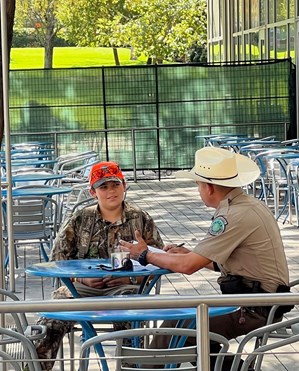
Now for the warrantless searches. If the game warden meets the three criteria mentioned above, (1) what the game warden is doing at the time of the search, (2) what he or she is searching, (3) and for what they are searching, a warrantless search is usually legally permitted.
The first criteria, what the game warden is doing at the time of the search, refers to whether he or she is enforcing the state’s game and fish laws or enforcing other laws such as those found in the state’s penal code. If the game warden is legitimately conducting game and fish code enforcement, he or she can look anywhere, excluding the residence, where game or fish could be concealed. If the game warden enforces other laws such as drug enforcement, he or she does not have warrantless search powers. For example, in Texas, if you are engaged in hunting or fishing and refuse to allow a game warden to search receptacles or other places such as ice chests, you could be arrested and charged with “Failing to Allow Inspection by a Game Warden.” If this happens and you are in custody, the game warden is then permitted to inspect the receptacle or other places that could conceal game and/or fish anyway.
The other two criteria include what the game warden is searching and for what they are searching. In other words, if a game warden is investigating the poaching of a deer, he or she could inspect the trunk or bed of the vehicle but probably not the glove box or console. This is because a deer could be hidden in the trunk of a car or the bed of the truck but not in the glove box or console.
Now if the game warden is investigating the possible over-the-limit of doves, just about anything could be searched. This includes truck bed, car trunk, glove box, or anything else that could conceal a dove. For example, years ago, John would make over-the-limit dove cases by popping hub caps and finding birds hidden within.
It is very important to remember that anything found incidental to a lawful search is admissible in court. That means that if a game warden conducts a search in an individual’s glove box or console and finds narcotics, this is a legal warrantless search. You can be charged with the appropriate crime, and the contraband can be used against you in court.
Game Wardens Can Enter Upon Private Property
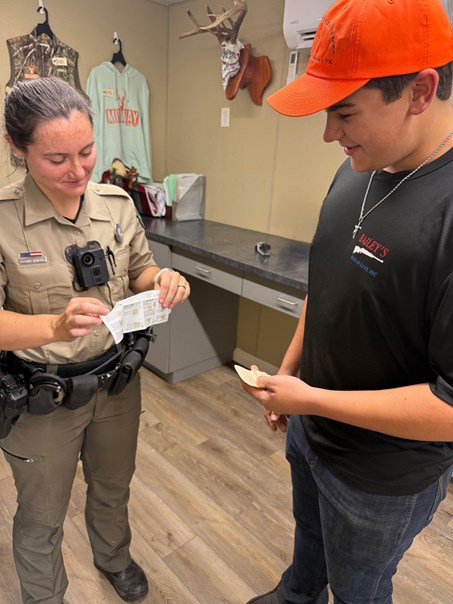
The third question that John often received was, “Can the game warden enter my land or property without my permission?” Once again, the answer is maybe yes, maybe no. This has always been a controversial topic, especially in Texas, where individuals are avid believers in landowner’s rights.
The answer to this question depends on what activity is going on inside the property and/or what the game warden suspects might be occurring. If the landowner, agent, lessee or guest is engaging in an activity that is covered by that state’s Game and Fish Code and subject to inspection by a Game Warden, he or she may enter upon the land or property and conduct a warrantless search. Conversely, if the game warden suspects there is an illegal drug operation being conducted inside the property, he or she would then need a warrant to enter upon the land.
A game warden entering upon someone else’s land to conduct a warrantless search must do so with as little impact or damage to the property as possible. This means that he or she should not be cutting locks or rutting up the landowner’s roads. The game warden can climb over or crawl under a fence or find another access that he or she could drive through.
The power of game wardens varies from state-to-state, but all game wardens are law enforcement officers. Game wardens investigate crime, sometimes involving interstate commerce, conduct search and rescue operations, and anything else requested by the governor. This is why game wardens are always are a hit around the campfire. Game wardens have the best stories, whether true, embellished, or just plain unbelievable!
It is important to remember the next time a game warden asks you for your hunting or fishing license, he or she is conducting a lawful investigation. Politeness and respect go a long way!
—Heidi Lyn Rao