The worries that keep adults awake at night are real. Whether it can be attributed to watching too much sensational news, or to a person’s subconscious recognizing some unspoken need, worry often forces humans to take action—to prepare. Let’s map out a few simple steps we can take to help our subconscious mind to settle down and position ourselves and our families to be better prepared.
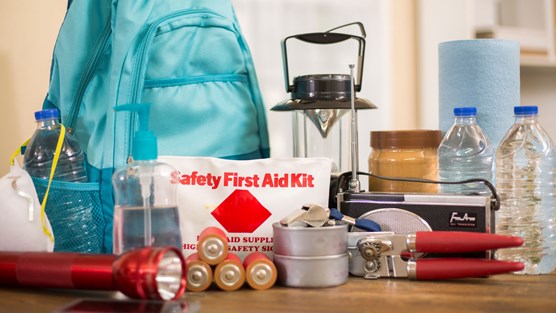
Assess Your Needs
Take stock of your most important needs. For humans, this usually means security, shelter, food and water.
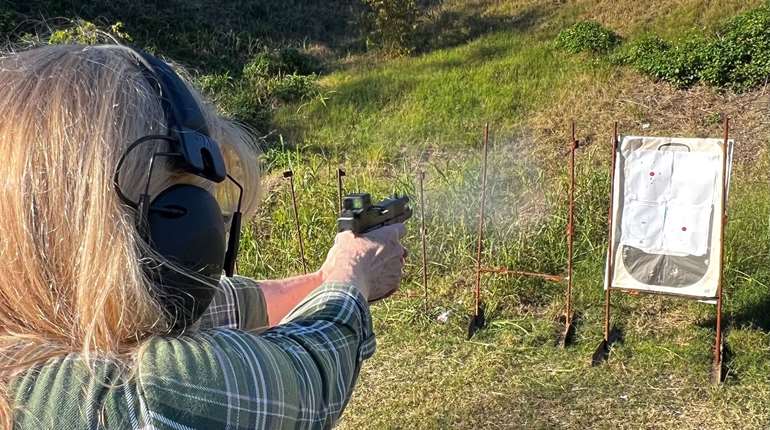
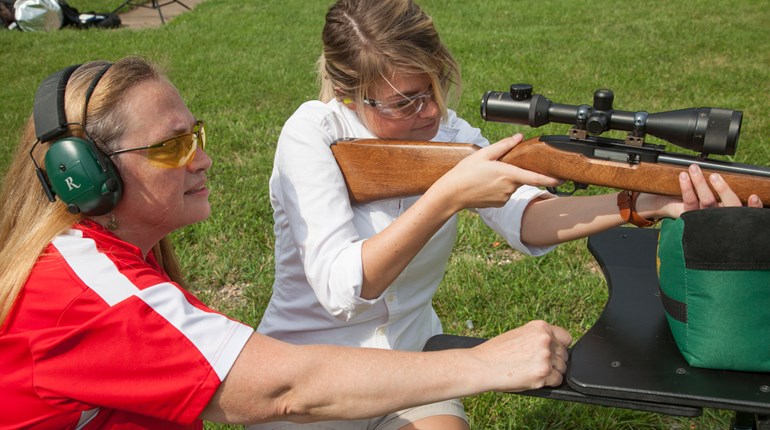
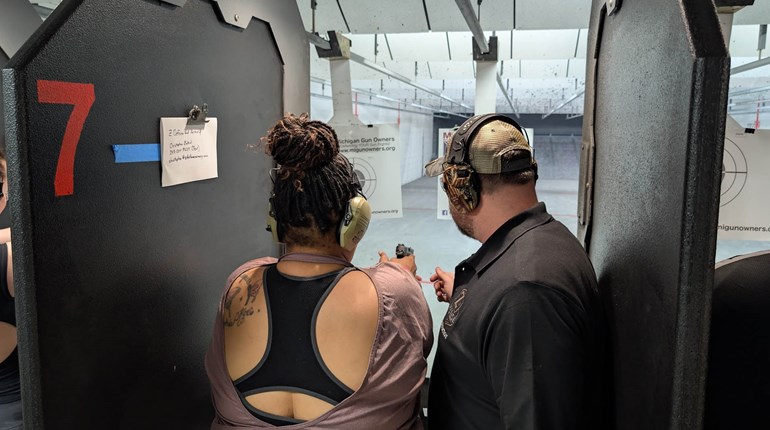
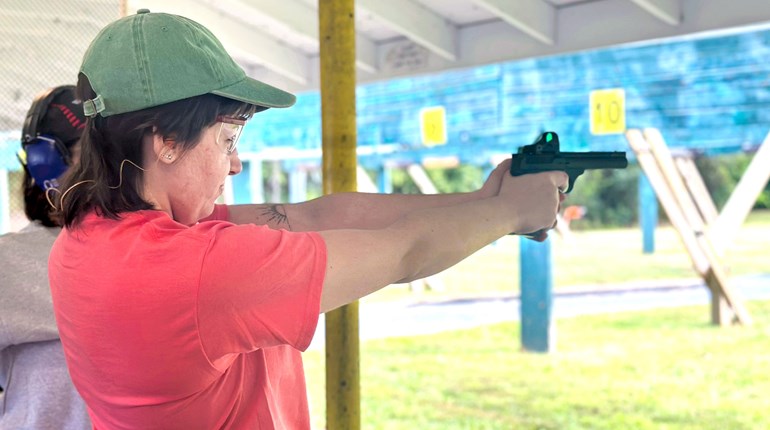
Security: Do you have a means of protecting yourself? Security is more than just the locks on our doors. It can include an alarm system, security cameras, a dog, firearms, a neighborhood watch, or our family readiness plan. Periodically reconsider the tools and plans you have for security and make sure you are up to date.
Shelter:
- Do you have a safe place to shelter in a storm or period of civil unrest?
- Do you have a plan to get somewhere safe if your home is not suitable?
- Does your family know this plan, and do you have meeting places and alternate locations set up?
- Do you have emergency supplies in your vehicle or staged at your office or job in case something happens while you are away from your primary means of shelter?
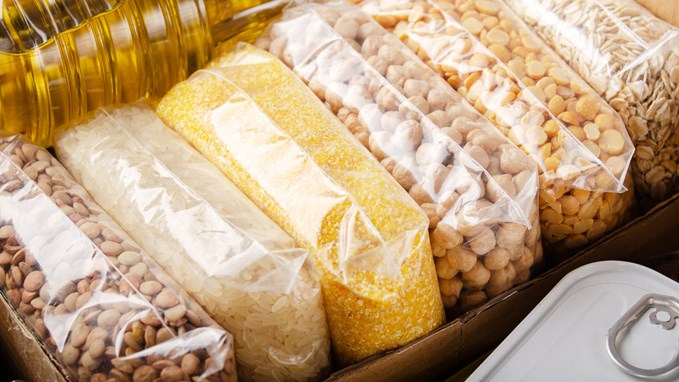
Food: Do you have at least two weeks of food stored? Maybe better would be two months or two years. This sounds like a lot, but freeze-dried, mylar bagged rice and dry beans or lentils, canned goods, and water in 5-gallon jugs, vitamins, salt and spices—these are basic items that store well that every American should have on hand. There are so many ways to make storing and rotating a stock of food less “prepper” and more like planning ahead and being ready for anything—even if it’s just that you don’t need to go shopping the next time toilet paper becomes scarce. A well-stocked pantry can be a shelf in your garage, basement, or spare bedroom. You don’t need a lot to make this happen.
Water: Do you have two weeks of water on hand? 5-gallon jugs that invert over a water cooler are a great option. There is a non-refrigerated, ceramic crock style of water dispenser that you can keep for emergencies (or your summer BBQ). A water filter for family use, a travel filter straw or water bottle that stays in your vehicle, and even the supplies to make a homemade Berkey filter are accessible options!
Stock Up and Re-Stock
Most of the things that you would need if society screeched to a halt are things you already use every day. Food, water, gas for your car, toilet paper and household supplies, vitamins, medicines—it’s not a bad plan to have a two-month supply of all those things on hand. A year or two supply would allow you to outlast many forms of crisis. As long as you can shelter from dangers and protect yourself from rioting or looting, if you have food and water, staying put in a period of civil unrest or natural disaster is generally the safest plan.
This is also why it’s a good idea to be private about what you do to prepare. Planning with family and close friends is likely necessary. But outside that small circle, don’t make yourself or your family a target. If you can be low key and sit tight, you can minimize exposure to danger by just being prepared and inconspicuous. Just by stocking foods and supplies, you can position yourself to be better situated then 78% of Americans.
Special Considerations
What facets of your life require special planning?
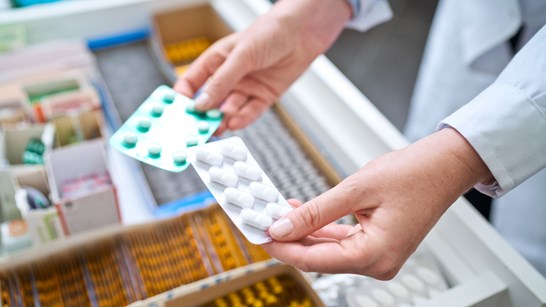
Medications: If you depend on medicine, consider talking with your doctor about planning for emergencies and having several month’s supply.
Population Centers: People in large cities, with thousands of citizens, are especially in need of a good preparedness plan. Knowing when to stay put and when to leave for an alternate location, as well as having maps and a plan to get there for all of your family members, is a key part of a plan for those living in densely populated areas.
Gas for vehicles or generators: It’s a good idea to have enough gas stored, with fuel stabilizer added, to get you to where you might need to evacuate; even if your only concern is a hurricane, not civil unrest. Make sure you have the right mix of fuel, or supplies to mix it, if your generator requires special fuel. And think about whether you start it up and advertise that you have one, as well as where you run it (It needs to be outside, as the carbon monoxide from running it is not your friend!).
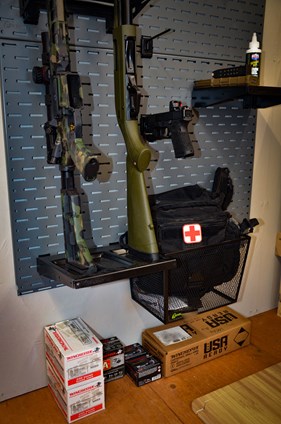
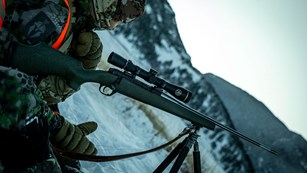
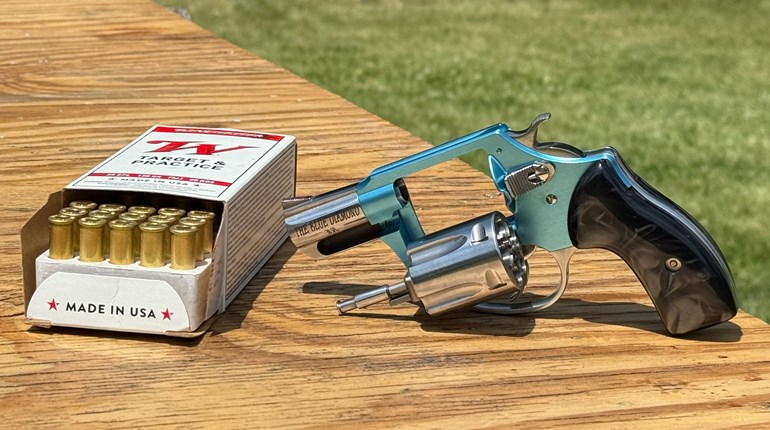
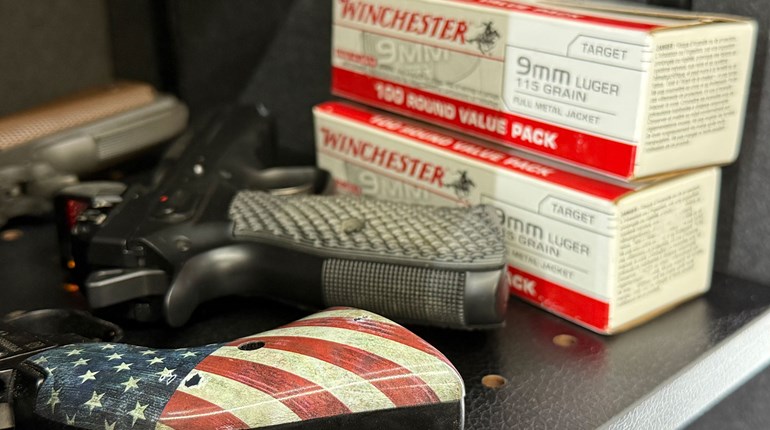
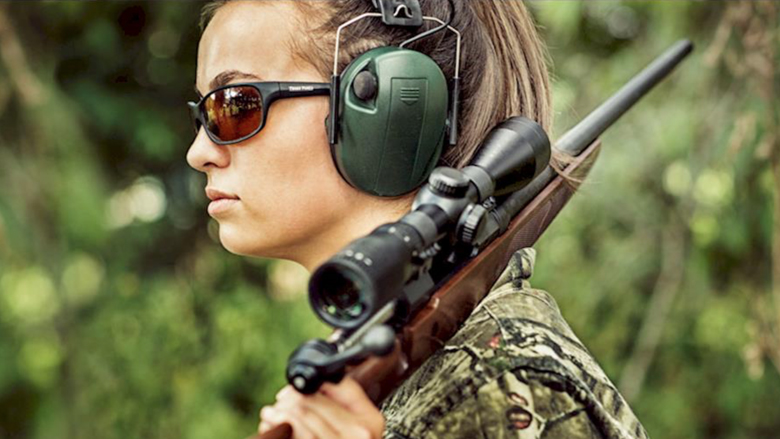
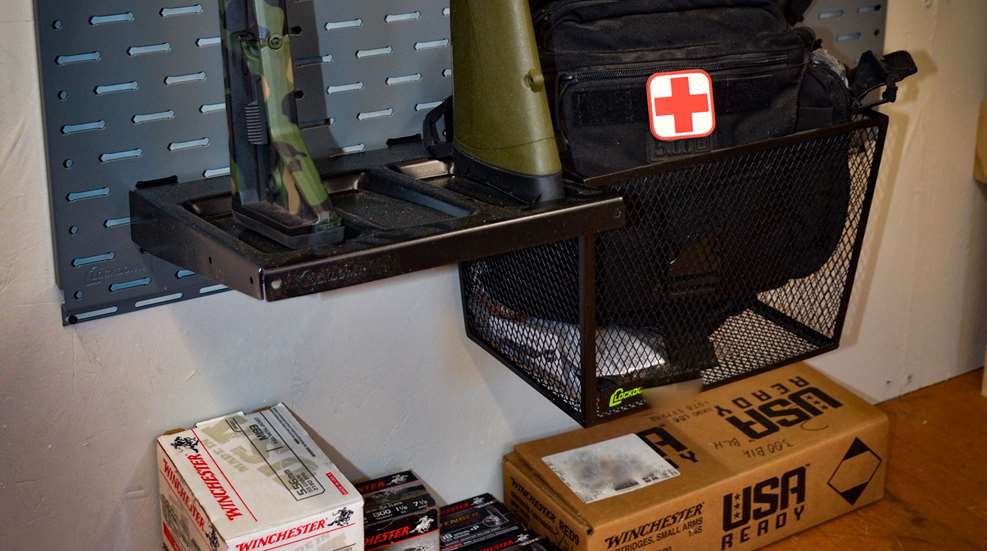
Firearms and ammunition: Americans are mostly free to arm themselves, depending on their state and local laws. This ability to provide security and deter threats is why our country’s founders created the Second Amendment. Americans have successfully used arms to keep themselves safe in periods of civil unrest.
If you have done any preparedness reading, those who discuss cities often talk about the rooftop Koreans in 1992. This Los Angeles community had many immigrants who in their Korean homeland were required to serve in the military. Not only did they successfully defend their community, no rioters were fatally shot by any of them.
Nobody wants to see this sort of unrest, where the police have left the minority and low-income areas in favor of defending the Beverly Hills-type of communities (as happened in 1992). But being able to defend themselves and their communities when the authorities abandoned them was what saved lives and livelihoods.
No One Is Coming to Save You.
This quote is popular. It’s meant to be motivational, not a cry of “woe is me.” It should empower you to provide for yourself and those you love.
The idea that our fate rests on our shoulders, and nobody else's, is fact. We have seen instances of even the police refusing to act for the good of their community when they themselves feel in danger. Preparing as if no one is coming to save you only makes you and those around you better equipped to meet challenges with your own tools and skills.