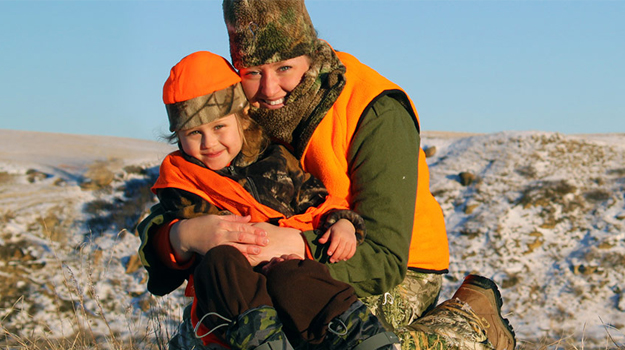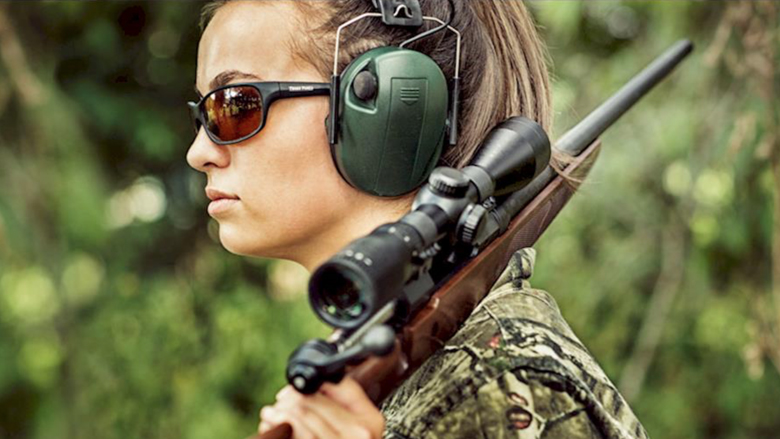

Anyone can become a hunter. All that is needed is an invitation from someone willing to mentor them. In doing so, a life is changed forever
As an outdoor club leader and Hunter Education instructor, I have observed a growing number of women interested in hunting. This observation led me to organize more hunts for young women and their parents, many of whom have never hunted, to go afield to harvest their own game.
Choose the Right Hunting Event
One thing I realized very quickly is that if you want to recruit new hunters, they must see interesting things, be actively learning or harvesting game. When selecting a hunt, I make a point to set up prospective new hunters for success by considering the weather, gear needs and skill levels, and I do my best to make sure the new hunters have a reasonable chance of success. The recruitment of hunters is similar to recruiting new anglers. If a person catches a few fish the first time out, they will want to try it again.
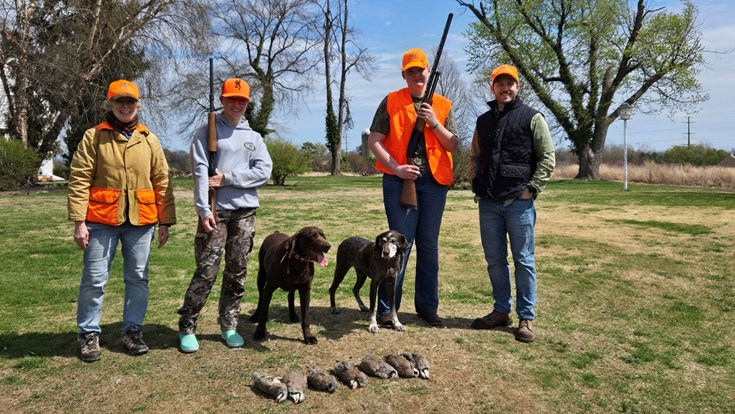
My favorite hunting recruitment event is our annual Richard Snow Memorial Upland Hunt. We partner with Rose Hill Game Preserve in Culpeper, Virginia, and the Snow family to select six willing young ladies to go pheasant and chukar hunting. One reason this event is so successful is that the participants are going to see birds and they are also going to have the opportunity to shoot. In the past 10 years, each young person has harvested at least one bird, with most taking several birds.
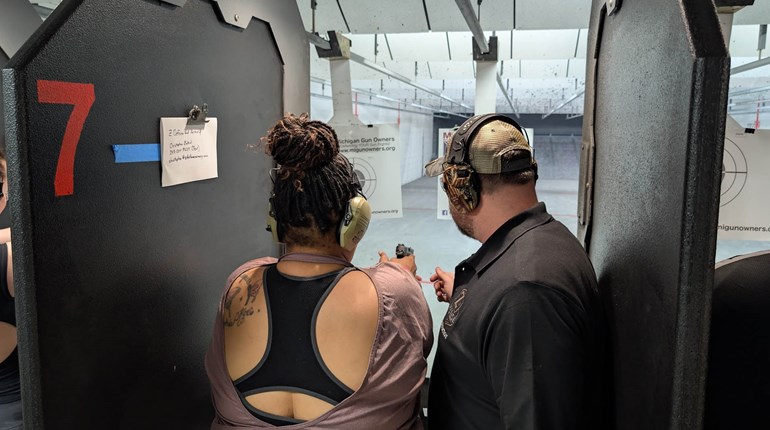
Begin with Hunter Safety and Practice
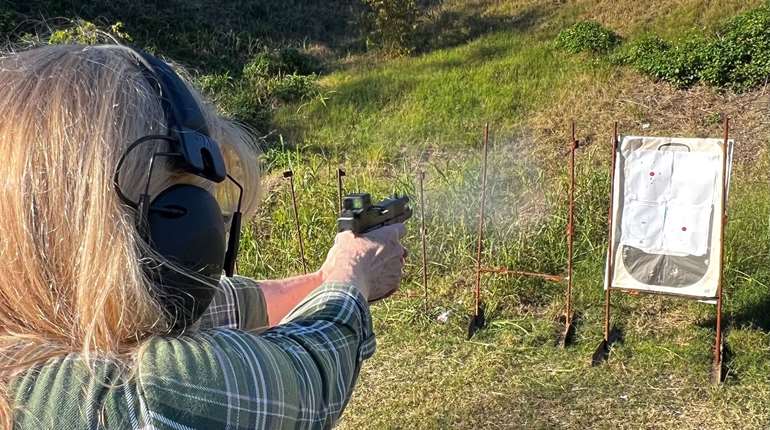
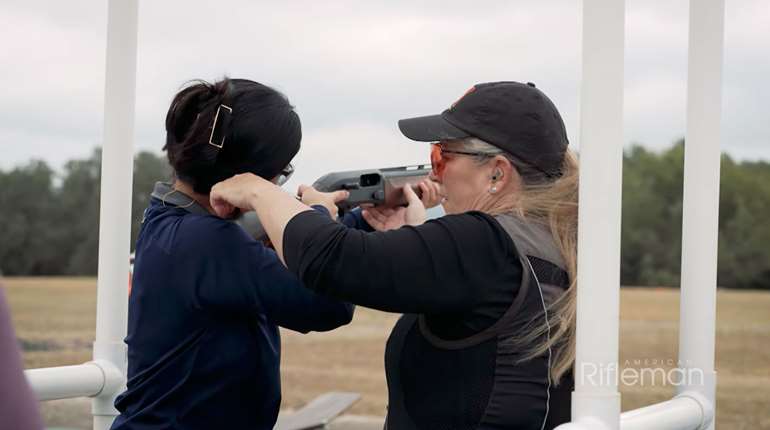
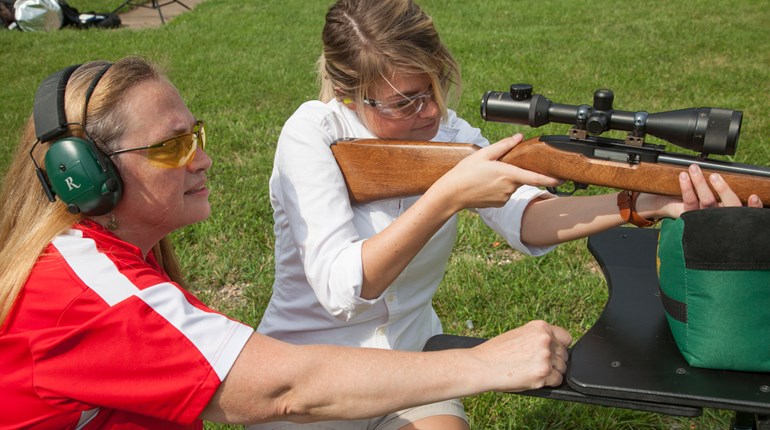
All the young women are required to take Hunter Education to learn the basics of hunting and gun safety. Then we practice what was taught in the classroom on the range. Our annual upland hunt necessitates that each huntress be able to hit moving targets, specifically birds. Multiple practice sessions are held, beginning with familiarization of shotgun use. We learn to safely load and unload. We check eye dominance. Next, we demonstrate proper mounting of the shotgun and stance. A stationary target—usually a soup can or sometimes a water jug—is put out for those who are a bit concerned about recoil or their ability. These targets either tumble easily or explode when hit directly. This is done for two reasons. First, new shooters can see power of the firearm, and second, the shooters have success and fun from the first shot.
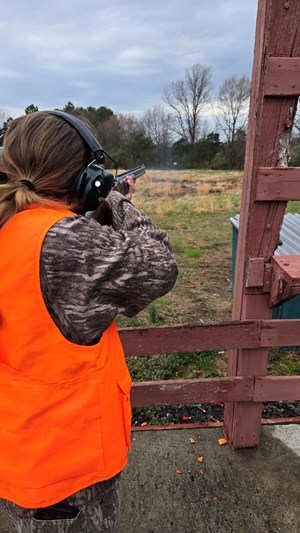
We graduate to the clays with the shooters standing right next to the trap, hitting clays going directly outbound as those tend to be the easiest. This builds confidence. Finally, we move the young ladies out to the sides until they establish proper lead and consistent shooting success. Their dads and moms help supervise and cheer them on as we go, which means some parent/daughter time—away from phones! When we arrive at Rose Hill Game Preserve, the guides and preserve manager hold a warmup session on the clay course. The excitement builds from there.
Hunt and Post Hunt
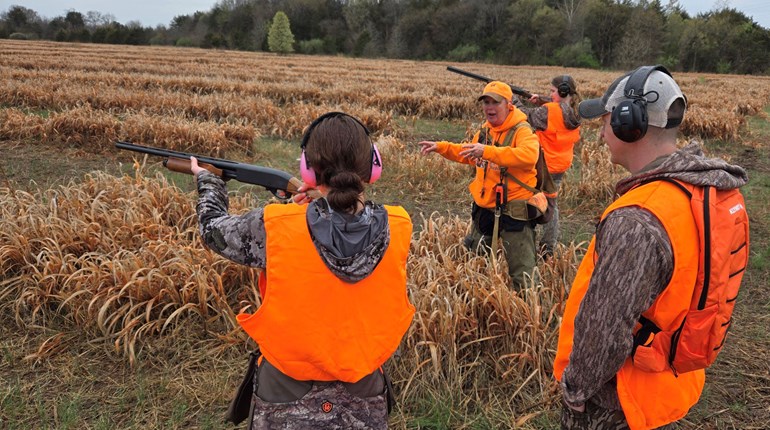
All the young women are geared up properly and offered blaze orange vests to stay safe, a game pouch for their harvested bird. The young women and a parent are then paired with a guide. Each pair has an entire field with birds in which to hunt.
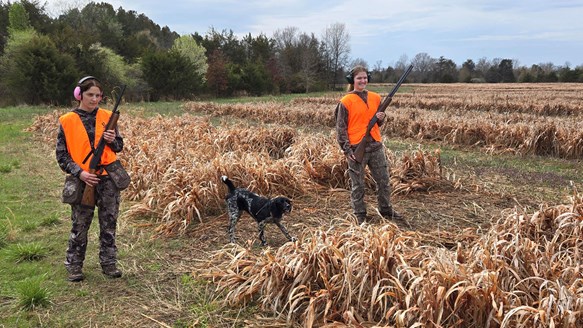
Mykah and Sydney line up for the flush.
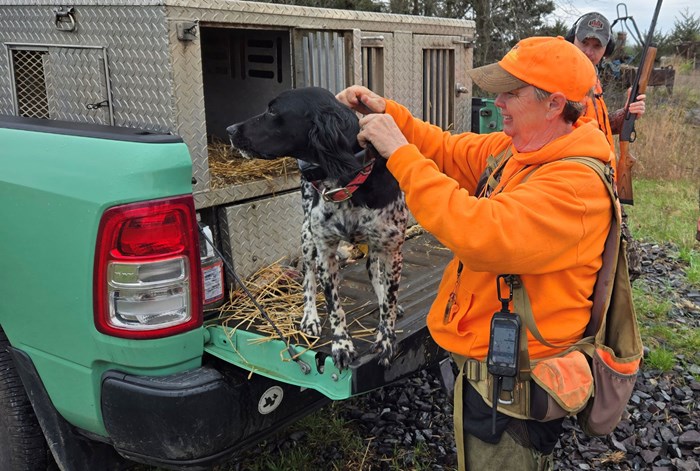
This is where the young women learn from the guides about habitat, dog work, training, bird biology, impacts of weather on hunting, and of course, shooting skills while afield. Lessons about gun safety learned in the Hunter Education class are put into action and fine-tuned by the guides while in the field. The guides act as mentors along with the parents of the young ladies as they hunt behind bird dogs. The female guides, Kathy and Sharon, eagerly take the girls under their wing and show them how a bird hunt is conducted. Participants Kenzie and Bailey hunted under the watchful eye of Kathy.
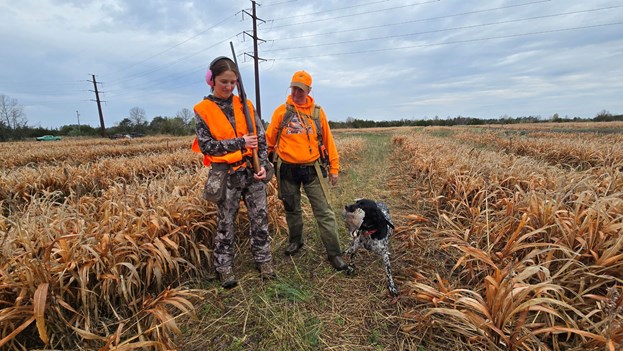
Mykah has her bird delivered by the dog.
This was Kenzie’s first-ever hunt. Afterward she shared, “I enjoyed how we were able to see how the dogs work and how they enjoy their job, and how the guides know how to explain what was going on so we could easily understand it,” she said. “Something that meant a lot to me is how encouraging everyone was of everyone else, especially the guides, and how the guides took the time to explain how to fix what you did wrong while congratulating you when you did well.”
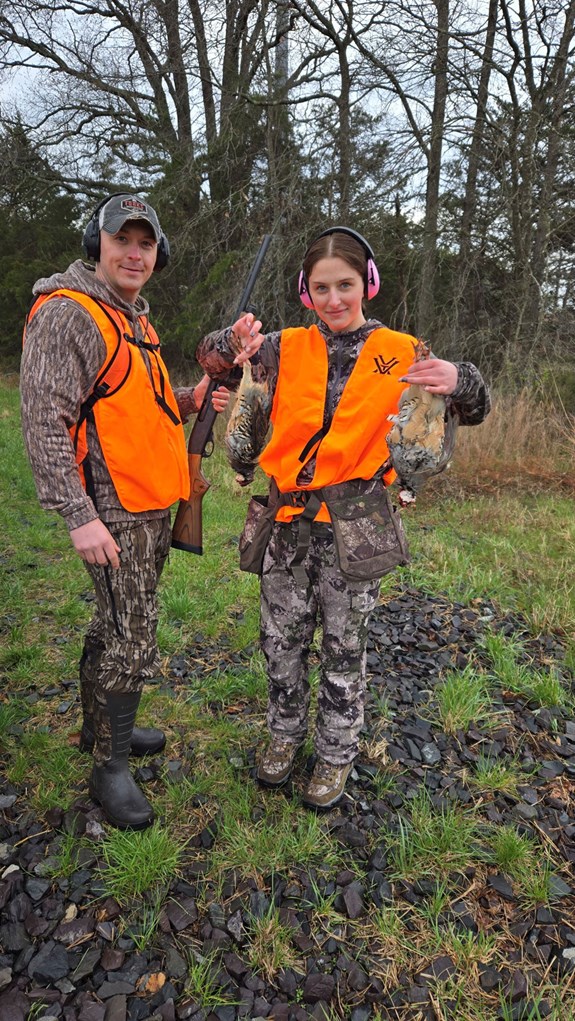
Mykah and her father share a moment of success in the field.
The women have ample opportunities to harvest birds, get to see the dogs work, and they enjoy the retrieves of their prize birds. When the birds are put in their game vests, there is a feeling of satisfaction and reminder that they just obtained their own food from the field.
Bailey and Georgia expressed that this was important, keying in on one of the most important aspects of hunting.
“I've only been on a few hunts, but this one is by far my favorite,” Bailey said. “The dogs were so well trained, and the guides made the experience feel fun and safe. Putting food on the table that I cleaned and skinned made me feel really proud of myself. I am very grateful for this experience!”
Georgia hunted with her father and sister Caroline. Georgia also keyed in on one of the big reasons we hunt. “I found the best part of the hunt is taking the shot and dressing the birds. When you take a shot and the bird goes down, it's a moment of pure excitement and anticipation when your dog retrieves it.”
A priority is made to ensure the group gets the full experience of the hunt and learns every aspect from start to finish, which they each embraced. After the guides led the group to the cleaning shed to explain how to dress the birds, they were shown basic bird biology and offered recipes to try. The girls then tried their hand at cleaning the birds with assistance of their guides and mentors.
“Field dressing is also very rewarding, you're proud of your harvest and you're finally finishing your hunt,” Georgia said.
A lot of post-hunt chatter and discussion took place among the young women and their parents. Some great memories were made—so very important when many of us are rushing around in our fast-paced world. Spending time with family and friends is something we all can use more of these days, and hunting is a perfect venue for this.
Caroline pointed this out, saying, “I liked the time I spent with my dad because I don't get to spend much time with him because he works a lot, and I also enjoyed helping others with dressing the birds.”
The importance and value of hunting and time afield with loved ones was not lost on the parents either. Brent, whose daughter harvested her first few birds on the hunt, shared, “This wasn't just another outing; it was hands down the most memorable father-daughter adventure we've ever shared. Seeing Mykah light up with excitement and the pure joy on her face throughout the day was priceless.”
Over the years we have organized rabbit hunts, goose hunts and deer hunts as well, recruiting hundreds of new hunters with nearly half being women. Some of the girls that attended our first hunts years ago are now young women and ready to start their own families at this point, and the impact of inviting them to try hunting will be felt in the generations to come. After watching these young women on their upland hunt, I have no doubt they will continue hunting and take this tradition forward. The big question I keep getting after these hunts is, “When is the next hunt?” and “Can my friend try this?” Those questions speak for themselves.