
Old hunters like our fathers, grandfathers and early pioneer women (who had to keep the kids fed when they were alone) knew how to track and harvest what they needed for their survival. These hunters usually spent more than half the year in the backcountry. Likewise, the smart younger hunters knew how to mine this information from the wise old hunters, and they soaked up the secrets of success in finding and taking game animals to survive. These days, the grey-haired hunters in camp are often overlooked by the young ones in favor of information garnered from the internet.
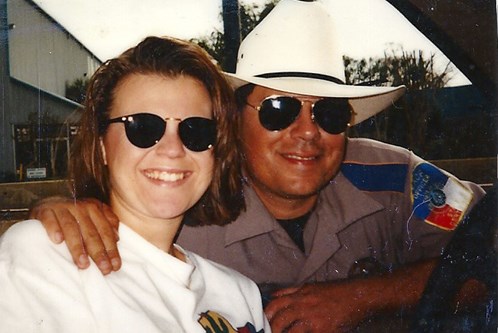
I grew up surrounded by old hunters. I even went so far as to marry one, who coincidentally was also an “old Texas Game Warden.” John spent around 80 percent of his time “off the pavement.” Three things he emphasizes—things that many have often forgotten or maybe never even knew are: Always anchor a trophy; always keep protection close at hand; and always have a backup gun.
Always Anchor Trophies
Anchor shots are used in hunting and can keep a great day from turning into anything from disappointment to a potential deadly situation. These types of shots are often called “insurance” shots. Anchor shots are not to be confused with follow-up shots. An anchor shot is taken after you drop your game animal, and it appears to be expired. You are putting an extra shot into your animal to “anchor it to the ground.”
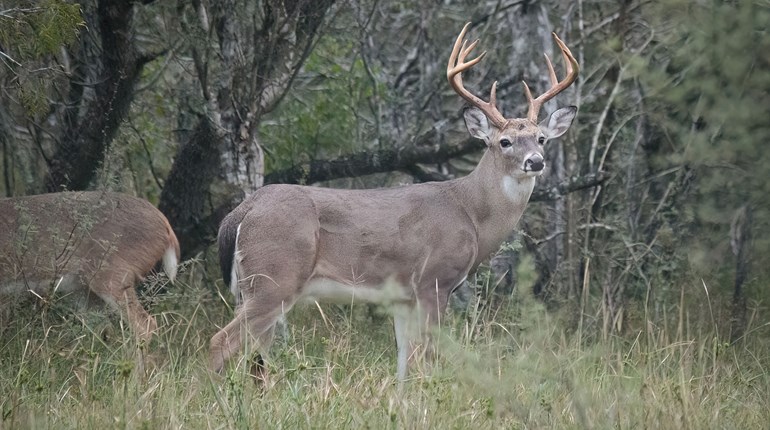
First, an anchor shot can prevent a trophy of a lifetime from getting up and bounding away, never to be seen again. Not only can this prevent you from losing your trophy, but it also prevents “wounding loss” where an animal runs off and dies without being recovered. There are many reasons why a game animal suddenly appears to “comes back to life” after what was thought to be a successful shot.
Another reason for administering an anchor shot is when dealing with a dangerous game animal. This is to ensure that the hunter is safe when approaching a downed animal that is equipped with large teeth and claws. Anchor shots in this scenario are for your safety and others who are also with you in the area. Worst case scenario is that you have a wounded man-eating “whatever,” and it is now loose near a native village with men, women and children.
An anchor shot can prevent a dangerous game animal from running off after presumed dead. Just like a trophy animal suddenly recovers from the initial shot or a shot that grazes its spine, a dangerous game animal often “plays 'possum,” waiting for the hunter or anyone else who may be within range for an attack.
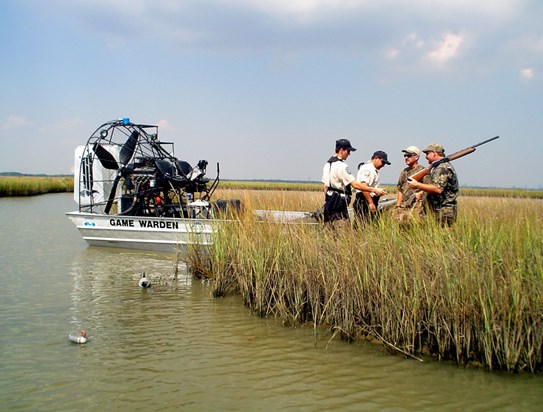
There are certain species of animals that seem to be just a bit more resilient, such as alligators. John had to “wrangle” hundreds of gators in his career and he always went by the mantra that “there is no such thing as a dead alligator.” He always said even if you are sure, it is dead, you still treat it as if it were alive. So, if he had to dispatch an alligator, he would always take an additional shot or two to anchor it. Even after all of that, he would still tape its mouth and tape its feet and hands together for added insurance.
John knew a game warden who did not take the resilience of alligators seriously. He was called near a busy highway to remove a large gator, more than 10-feet long, that was hit by a vehicle. When the game warden showed up, he noticed the skull had been crushed and he assumed it was dead. When the warden grabbed the tail of the gator to pull it off the road, the gator “came back to life” and grabbed the game warden’s leg. This warden was severely injured and probably would have died if there were not others around to assist getting him out of the gator’s grip and quickly to the emergency room. After that experience, he had a new level of respect for downed animals.
Always Keep Protection Close
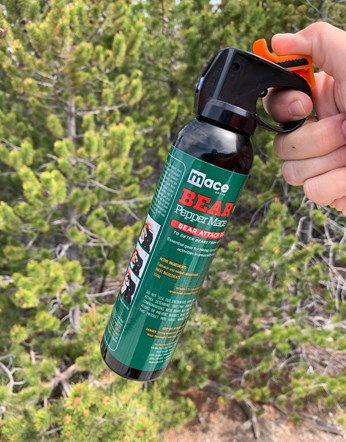
Protection comes in many forms, not just in firearms. It is always important to have an intermediate type of protection nearby. One of the best forms of intermediate protection is bear spray. Bear spray temporarily immobilizes a large and dangerous game animal or, if necessary, a predatory human.
Bear spray is a form of capsaicinoids, natural compounds derived from hot chili peppers. It temporarily, but severely, irritates the eyes, nose and the entire respiratory system. The effects of bear spray are very good in warding off an attack. But it works only on mammals with tear ducts, such as bears and wolves, but does not work on reptiles such as alligators and snakes.
It is important to keep all your forms of protection close at hand. These might include a firearm, knife and bear spray. This seems like common sense, but how many times have you or someone you knew, downed their trophy game animal, then after ensuring it was safe to approach to field dress leaned their unloaded firearm against a tree, and started cleaning their kill, equipped only with their skinning knife. In addition to your firearm, consider an alternative form of protection like a strong club or a baseball bat, to ensure your own self-protection.
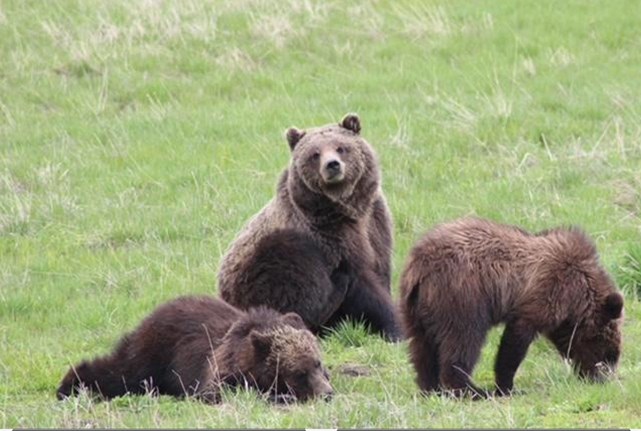
An old Wyoming Game Warden friend of mine relayed this story to me: A well-known hunting guide out of Jackson, Wyoming, was guiding a bowhunting client from Florida on an elk hunt. The client made a great shot late one evening. With daylight waning, they decided to take up its trail early the following morning. When they found the downed elk, the guide and client removed their firearms and bear spray approximately 15 to 20 yards away and prepared to field dress and quarter the trophy animal. As they were working on the carcass, a large sow grizzly bear with two 200-lb. cubs came charging in. Neither the guide nor the client could reach their firearms or bear spray in time. The wounded client made his way to one of the horses and escaped. The guide was not so lucky. When his body was recovered, all three bears were still in the area around the downed elk.
Always Have a Backup
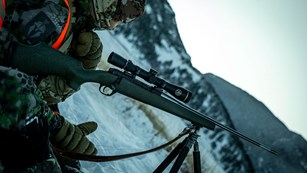
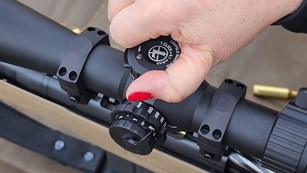
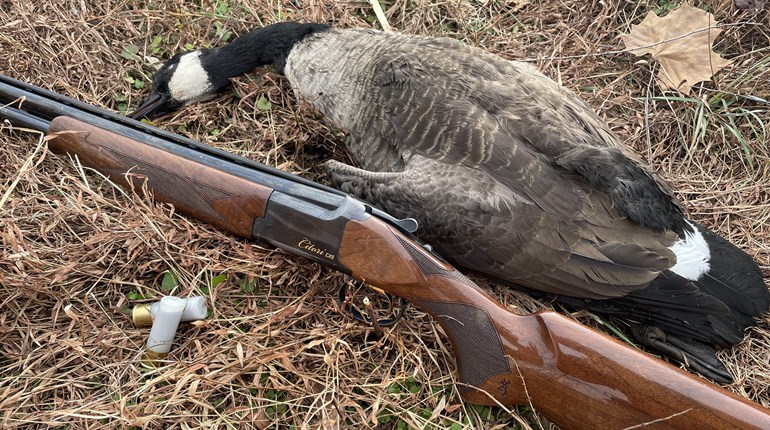
Having a backup firearm while hunting keep you prepared for any unforeseen upsets or equipment failures. Imagine going on that once in a lifetime hunting trip and when you get there you find out that your firearm was damaged in transit. A hunt can be derailed in a matter of moments due to equipment failure, such as a broken firing pin or a scope that is off “zero” because of internal issues. Even though this backup rifle is usually left at camp, it is there if needed.
Depending on the hunt, sometimes the backup rifle accompanies the hunter and his or her primary gun. This is because there is no such thing as one rifle that can do it all. One of John’s duties as a game warden was to participate in youth hunts. If the hunt allowed the young man or woman to take whitetail deer and varmints, John always brought two rifles—a bolt-action .243 Win. for the deer and a bolt-action .223 Rem. for any bobcat, fox or any other small game animal that might appear. Even though the .243 Win could be used for both types of game, this larger caliber was best suited for the larger game animal.
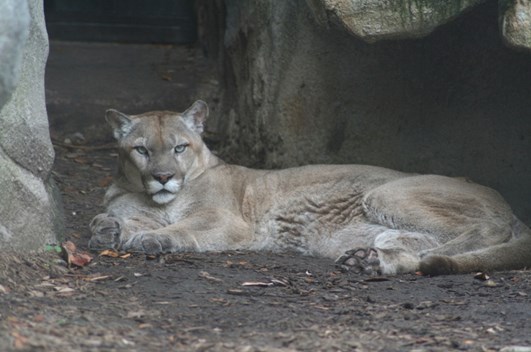
Having a backup does not always mean having a second firearm. A good knife can be considered an adequate backup tool. For instance, you might encounter the unexpected mountain lion. The three scenarios when this could occur are: a lion walks across a clearing while your are hunting another game animal; a curious lion wants to get a better look at you; and finally, a hungry cat. In the situation where you encounter a hungry mountain lion, usually it is too late. This is when a good knife can come in handy, offering a final form of protection if others have been knocked out of your hands or more difficult to access.
A successful hunt can be summed up with three things: having fun, staying safe and returning home. To stay prepared and safe, it will serve you well to heed this advice from an old game warden!
—Heidi Lyn Rao