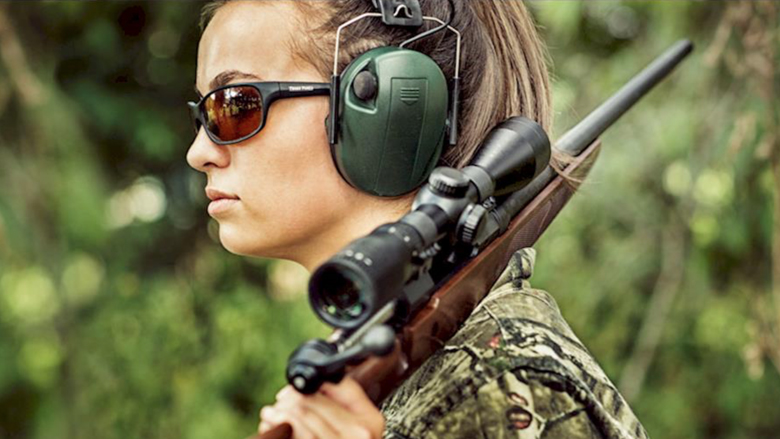

As an NRA Training Counselor, it is my job to teach and stress the importance of the NRA Gun Safety Rules. These three rules cannot be stated enough and are very redundant throughout every NRA Firearms Training course. These three rules are the backbone of NRA Training. These rules are:
- ALWAYS Keep the Gun Pointed in a Safe Direction.
- ALWAYS Keep Your Finger Off the Trigger Until Ready to Shoot.
- ALWAYS Keep the Gun Unloaded Until Ready to Use.
Even though almost every gun accident can be eliminated by adhering to these three rules, instructors should not get complacent, and continue to look for ways to be even safer. Instructors must always follow the NRA Gun Safety Rules, but there is nothing saying that he or she cannot create additional policies and safety guidelines for their class.
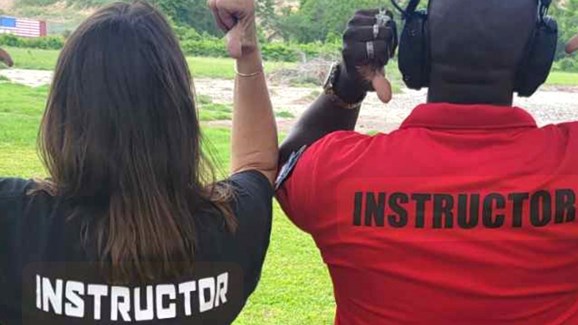
In addition to the NRA Gun Safety Rules, I have established three more rules for my classroom: having a dedicated set of classroom firearms; utilizing dummy rounds at the range; and avoid over-instructing.
Classroom Firearms
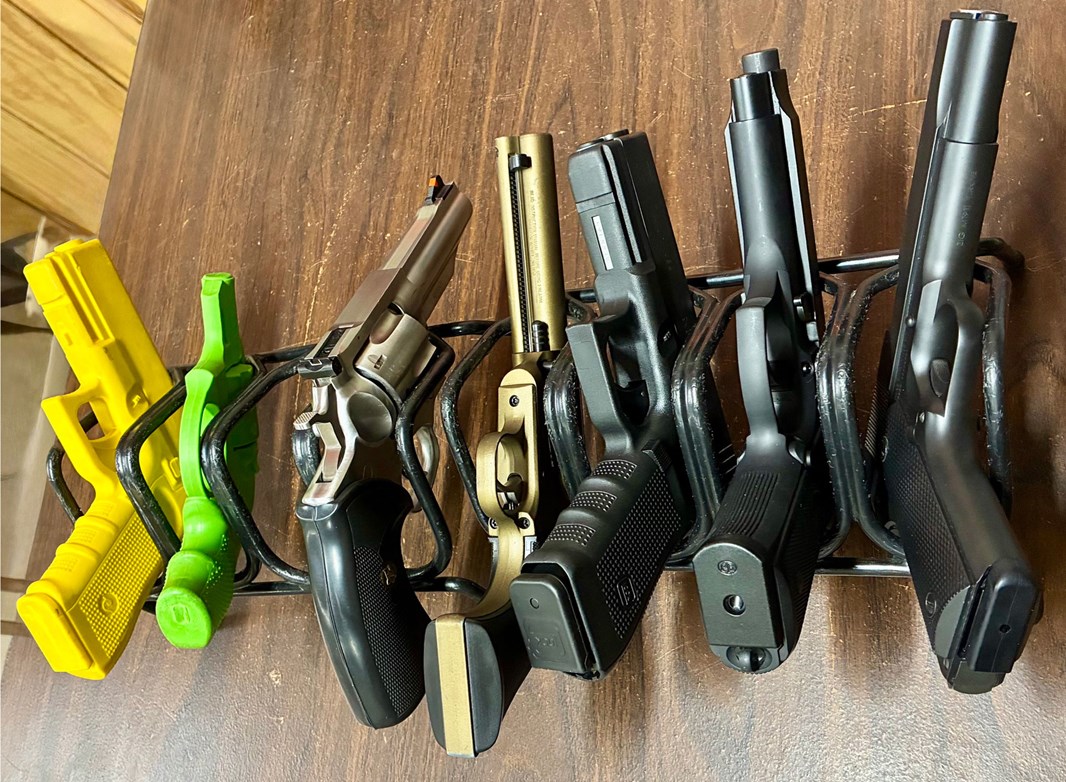
When teaching the classroom portion of an NRA Firearms Training course, instructors are required to demonstrate the different action types and how they work. One way that I maintain a high level of safety in my class is by having a dedicated set of demonstration firearms for my classroom. My classroom demonstration firearms have never been to the range or had a live round shot through them.
Many accidents have occurred due to a firearm being used for plinking or target shooting, then ending up in a classroom or other place where no live rounds should be. The problem arises when someone carelessly does not ensure that no live rounds are left in the firearm. An accident happened not too long ago in New Mexico on a movie set made the national headlines, and was the result of a situation just like this.
When I mention to my students the importance of having a set of dedicated firearms for their classroom potion of training, the response is always the same: “Isn’t that expensive?” I tell them it is, but that they do not need to buy them all at once; purchase the firearms as you are able. No one wants to spend money on firearms that they cannot shoot because of the expense, but at what cost are you willing to pay to keep your class safe and accident free?
Dummy Rounds
Every instructor, regardless of whether they are teaching an NRA Firearms Training Course or any other class, should have a new gun owner practice loading their firearms with dummy rounds before they do so with live cartridges. I perform any exercises using dummy rounds at the range in a safe and controlled environment. This is to ensure that if a live round is accidentally loaded and discharged, it is pointed in a safe direction.
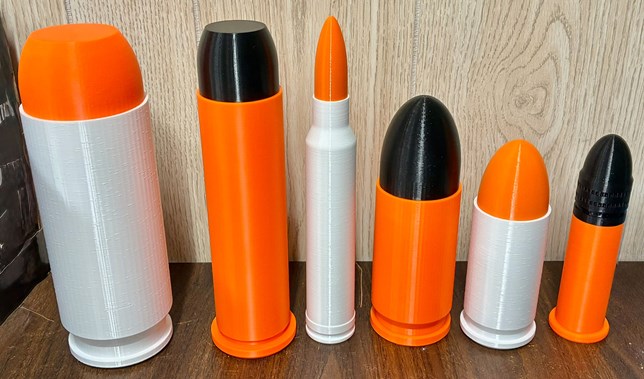
I am very careful when it comes to dummy rounds. The dummy rounds that I use in my classroom are large training aids and cannot fit into a firearm. Another benefit of these large dummy rounds is that they are big enough that your students can easily see and feel the characteristics of different types of cartridges.
The NRA Training Department requires that no live ammunition is allowed in the classroom. Therefore, I inspect every firearm that comes into the class as well as any range bag. I then have students verify each other’s firearms for safety redundancy. In addition to inspecting equipment that comes into the classroom, I “sweep” the room looking for any live rounds before and after class, which means I visually and physically moving any boxes, chairs, etc. for any live rounds. Cartridges are small and can easily fall out of range bags or even inadvertently hitchhike in on students. I am vigilant, as live rounds can unknowingly fall out of someone’s shirt or pants when they return to class, which can end up on the floor after class.
Over-Instructing
One of the worst things a firearms instructor can do is over-instruct their students. I do not mean picking apart each shot or giving information overload. I am talking about instructing above their ability. Having new shooters perform tasks that they are not ready for is not only counterproductive but can be unsafe.
Shooting is like any other activity where you learn the basics before you can safely and effectively learn advanced techniques. I have seen too many instructors who use their platform to impress their students in their firearms knowledge. It is important to remember that you (hopefully if you are instructing) have years of experience and countless hours at the range.
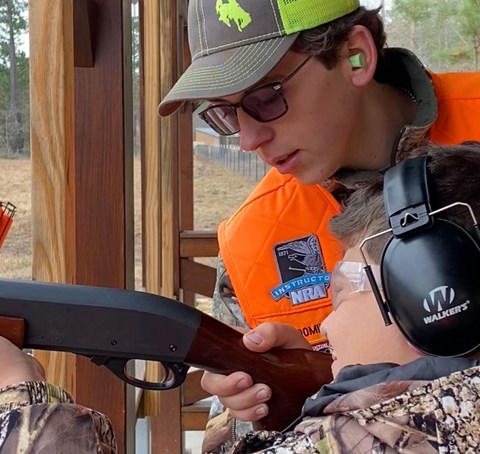
One of the ways to avoid over-instructing is to become an NRA Certified Firearms Instructor and strictly adhere to the written curriculum. The NRA Firearms Training Courses are time-tested and most importantly, they work. These courses are designed, foremost, with safety in mind and to be the most effective with new shooters. NRA Instructors are taught to stick to the curriculum and should only add content that reinforces the lesson plan such as related training aids.
In the NRA Basic Instructor Training (BIT) course, we are taught that as instructors we should model the behavior that we want our students to follow. In other words, our students are going to mimic what we do during our lesson. If you start performing advanced techniques, your student may attempt these on their own when you are not present to guide them and assist. That can lead to unintended consequences.
When conducting a firearms training course, always put safety first. In fact, safety should be first, second and third! When it comes to firearms, safety trumps everything. Remember, you as a firearms instructor are responsible for the safety and well-being of your students, others at the range, and last but not least, yourself.
—Heidi Lyn Rao