
Maybe it’s just my age, but it seems like the popular thing to do lately is to complain about how the good old days are gone, how kids these days have no respect for tradition, and how the internet and social media are ruining hunting. And no one draws more ire than the social media hunting influencers.
There’s good reason for this, of course. Five minutes on TikTok or Instagram will show you plenty of examples of the worst kind of influencers:
- Gear Bros, who rattle off sponsor names like a NASCAR driver and act like last year’s gear is obsolete junk only the poors would use. Like no one could possibly kill ducks unless they’re decked out in a thousand dollar’s worth of “high-tech” camo.
- Gun Bunnies, who don’t really know what they’re doing but who managed to gain popularity based on their looks. Don’t the mosquitoes eat them alive when they’re hunting half-dressed?
- Trophy Traps, where someone gets too wrapped up in killing bigger and bigger deer until they do something stupid and get busted breaking the law in their desperate pursuit of trophy antlers. Pride goeth before the fall and all that.
- Just Plain Idiots, who do reckless, dangerous or distasteful crap either for shock value or out of pure ignorance, giving ethical hunters a black eye in the process. You know the type.
These kind of influencers represent the worst of the hunting industry, if you can even call them a part of it at all. But fortunately, there are also plenty of influencers out there who are genuinely good people doing good work that benefits hunting as a whole. We shouldn’t let the bad ones overshadow the good ones.
Positive role models matter, and there are many influencers out there today who really put in the work and garner respect. They can have a hugely important impact on the hunting industry in many ways:
- Recruitment. Though some snobs (yeah, I said it) will disagree, the fact is that we simply can’t get enough hunters. More hunters means more people who vote for the things that are important to hunters, more Pittman-Robertson money for conservation, and greater assurance that the hunting way of life will live on.
- Conservation Awareness. Hunters truly are the nation’s best conservationists, but getting people to understand that apparent paradox is a huge uphill challenge. It makes no sense to casual observers who aren’t educated on all the ways hunting is good for wildlife populations and habitat, and if influencers can bring awareness to that, it’s a huge step forward.
- Improved Public Perception. The (almost entirely false) stereotype of the drunk, unsafe, fat slob of a redneck hunter is still pervasive in a lot of people’s minds. Similarly, many nonhunters think we’re all bloodthirsty trophy chasers who just love to kill animals to display their antlers and leave the meat to rot. Nothing could be further from the truth, and influencers who do things right and portray hunting in a positive light can help dispel these myths. And the more people who have a positive perception of hunting, the better.
In the same vein, positive portrayal of gun use in general goes a very long way to helping educate the public about how guns are normal and safe, and that increases support for Second Amendment issues—which benefits us all.
- Education. Good influencers are a source of how-to information that many of us, even seasoned hunters, can benefit from. This is especially true of those who run a YouTube channel. Think about it: If you need to know how to wax your bowstring, sight in a rifle, disassemble your shotgun, gut a deer, train a retriever or just about anything else, you can find a YouTube video on the subject in no time flat. Those of you who are too young to remember pre-YouTube life take for granted how incredibly helpful this is because you’ve always had it. We who remember the days of digging through books or magazines or gun manuals or calling the local sporting goods store for advice realize just how valuable the education influencers offer can be.
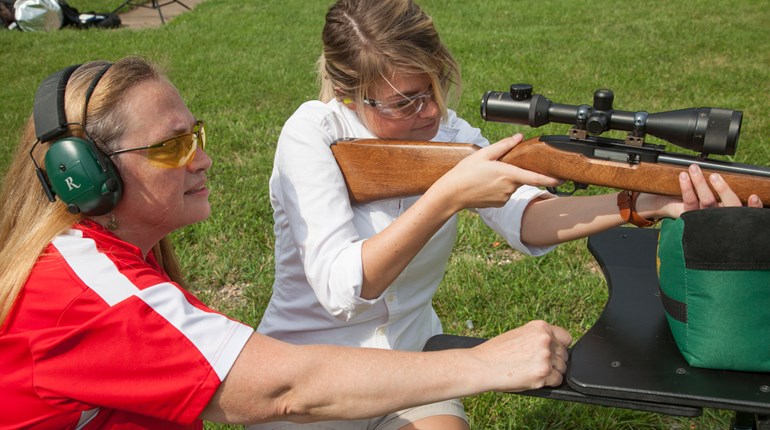
- Accessibility. Education makes things more accessible—you’re more apt to tackle something if you know a little bit about how to go about it. Influencers who show you how to do this or that are taking most of the intimidation out of whatever the thing is and offering you confidence to try something you’ve never done before. If this encourages someone to try shooting or hunting, I’m all for it.
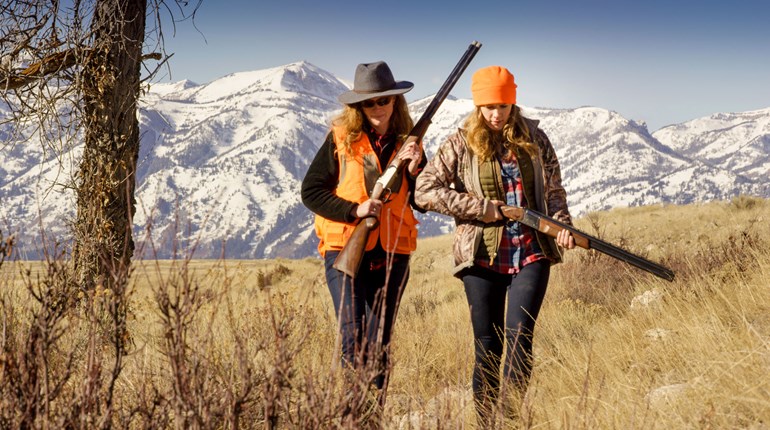
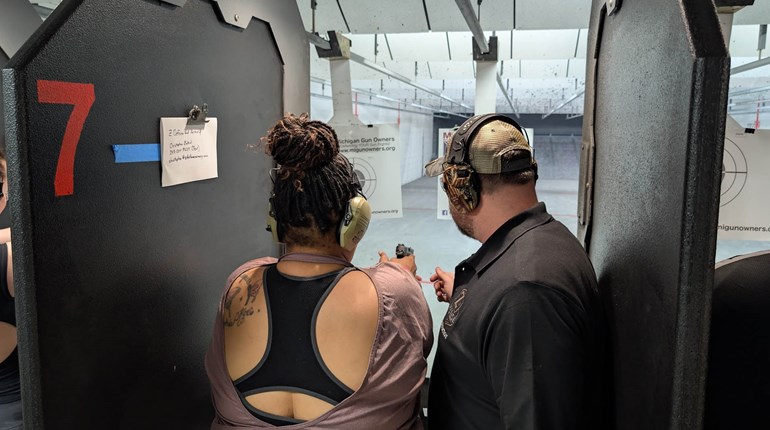
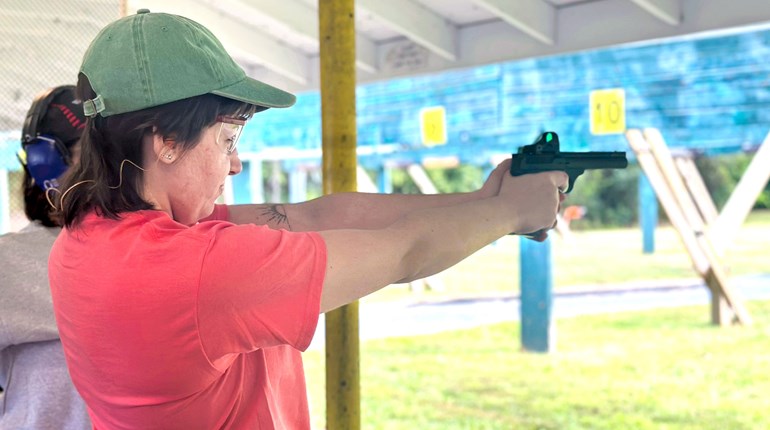
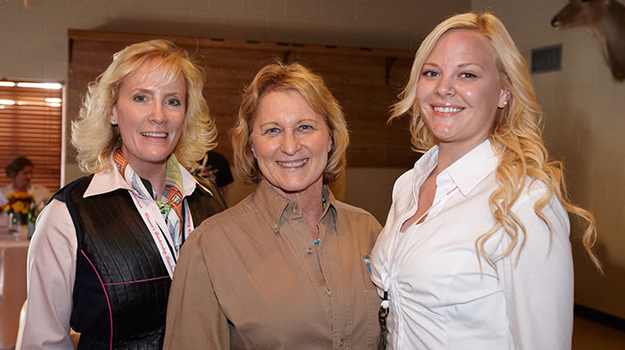
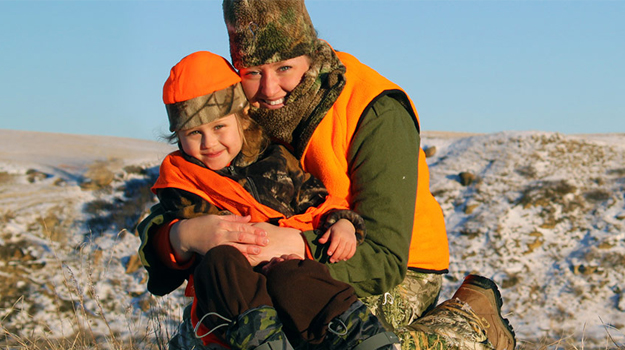
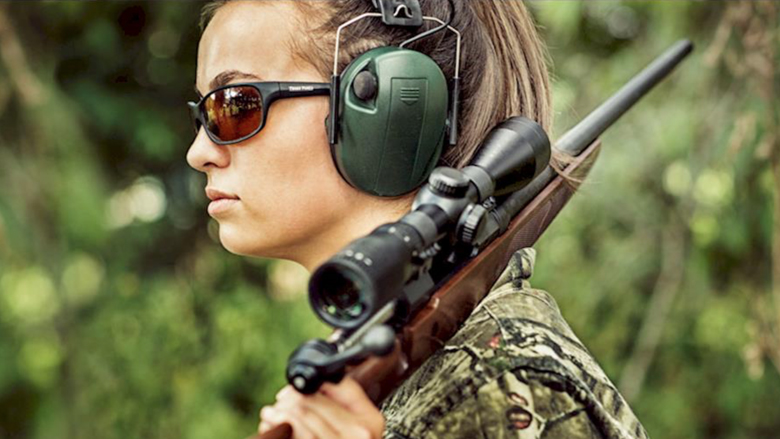
Along the same lines, representation matters, too. I’m old enough to remember when every hunting magazine and TV show featured nothing but white guys. That’s not to say women and minorities didn’t hunt—we just didn’t get to see it much. Influencers changed that; today you can find hunting role models of every gender, race, age and different ability. And this goes back to the recruitment issue—people are more likely to try something or at least think positively about it if they see it modeled by someone who looks like them. Again, some of you younger readers might take it for granted because you’ve grown up seeing women hunting on TV and online—but there’s a real “If she can do it, maybe I can, too ” factor at work on a deep psychological level.
So all in all, I think influencers—the good ones—are good for hunting, shooting and conservation. They raise the profile of hunters and portray what we do in a positive light, and there’s even a lot to be learned from some of them. There are some bad apples for sure, and we should have no problem calling them out when appropriate, but don’t let them spoil the entire bunch. On the whole, there might just be more good than bad we can take from social media when it comes to the hunting industry.