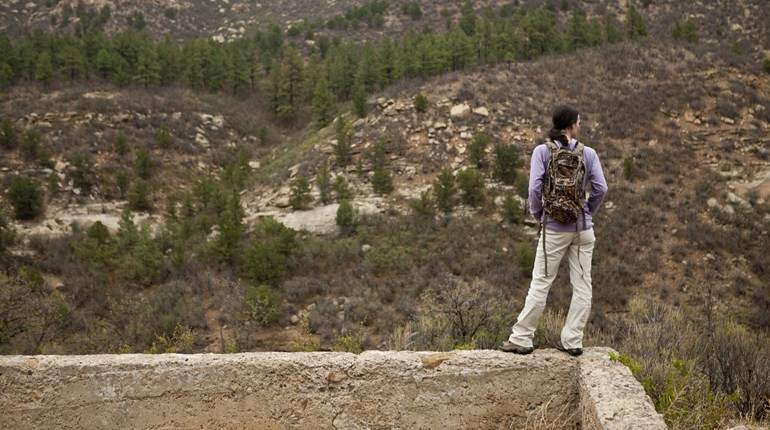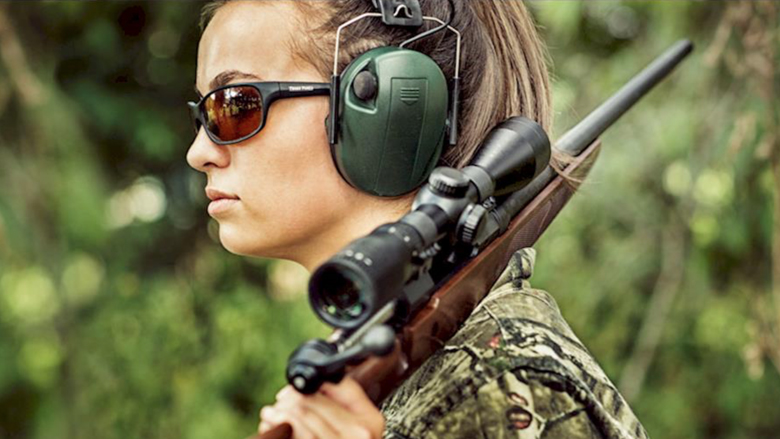

Things don’t always go as planned when you’re hunting. Even if, like me, you do most of your hunting within a couple miles of a cabin or a road, things can go sideways and leave you stranded for hours or even overnight, particularly if you get injured. If you hunt in more remote areas, the chances of not being able to return to camp when you planned go way up. It’s a good idea to throw some extra items in your pack that will help you get through an unexpected night (or much longer) in the field or survive an emergency before help can get to you.
First, you’re likely already packing a cell phone, a knife, and a flashlight or head lamp. In my case I also always have toilet paper, contact lens solution and a lip balm, among other things. That’s a great start—just make sure to download offline maps on your phone for navigation purposes if you happen to lose signal, and it doesn’t hurt to also carry a power bank or a solar phone charger. Having a way to call for help is probably your greatest survival tool, and if you are hunting in a remote area without coverage, consider a satellite option or emergency communication device.
Other than that, it might make sense to add some or all of the following to your hunting pack:
Fire starting kit: Waterproof matches are fine, but lighters are easier. Make sure your kit includes some tinder, and be certain you actually know how to start a campfire. Fire is, of course, a survival necessity for warmth, cooking and signaling for help if all else fails.
Backups of your primary items: Carry an extra lighter and a second flashlight/headlamp, even if it’s a tiny EDC-sized one. And add a multi-tool as a backup blade—you might get some use out of the pry tool, pliers, tweezers, scissors, serrated blade/saw, and other tools as well. As for navigation, you can get away with using your phone’s offline maps if you’re very, very confident the battery won’t die and that you won’t be stranded for more than a night or so. Otherwise, throw a compass and a printed topographical map of your region in your pack as a backup. The more remote your hunting area, the more important this is.
Space blanket: These take up very little room in your pack, but they offer a measure of warmth that might save your life.
First aid kit: Simple things like alcohol wipes, an antihistamine and a pain reliever can come in handy. You’ll also want butterfly bandages, a tourniquet and packing gauze and the knowledge to use them if you should fall out of a treestand and puncture your arm on a stick, poke yourself with a broadhead or suffer some other kind of freak accident.
Necessary medication: If you take a prescription medication that you absolutely positively should not go 24 hours without, carry a few of your pills into the woods with you.
Blister bandaids or Leukotape: While not strictly a survival necessity, if you get stranded somewhere and have to walk much farther than you expected, blisters will make your already bad day so much more miserable.
Water: I always carry more water than I plan to drink during the day; even just a single bottle would be enough to get you through a night. Even though it’s heavier than a disposable plastic bottle, I like a reusable bottle that could be refilled if I’m stuck somewhere for longer than I planned. Include some way to purify water—a Lifestraw is good, but purification tablets take up less space.
Emergency calories: Either have the willpower to not eat all your snacks by 11 a.m. or pack some emergency calories you won’t be tempted to eat for fun. I have never actually eaten those emergency calorie bars that look like cardboard, but I do own them—consider keeping one, or some MREs or freeze-dried food, in your pack just in case you don’t make it back to the cabin for supper. Or, simply carry extra granola bars and don’t let yourself eat them unless you need to.
Rain gear: A thin, lightweight rain suit can be a lifesaver if you’re caught in a downpour, especially if you can’t easily get back to camp.
Cordage: Use it to hang meat, to improvise a stretcher or splint, to string up a tarp for shelter, or to get yourself out of any number of jams. It doesn’t take up much room, but do make sure you buy paracord that’s strong enough to hold your own weight, just in case.
Dry socks: And maybe mittens and maybe an extra beanie. Wet feet are miserable and dangerous in cold conditions, so carry an extra pair of dry socks in a waterproof bag. Speaking of which…
Zip-top bags: Or even bread bags. A few gallon zip-tops will help you keep important stuff like your fire-starting kit and your phone dry in a deluge. You can even slip your stockinged feet into bread bags and then put your boots on over the bags to keep your socks and feet dry (this is what we kids in the South used as improvised snow boots on the one day every three years when we actually got to play in two inches of snow).
Signaling device: Something that flashes, makes noise or otherwise signals your local to rescuers can come in handy if you’re incapacitated.
Flagging tape: Leaving little brightly colored breadcrumbs can help you flag important locations or mark a trail so you don’t end up hiking in circles repeatedly.
Extras that are specific to the time and place: If it’s hot out, you will want extra water, bug spray and maybe a cooling towel. Sunscreen and a hat for shade might be important if you’re somewhere you might have to walk out in the open for miles. If it’s winter and you have to walk yourself out of the icy terrain if the truck breaks down, you might want crampons or trekking poles.
Nice-to-haves: If space were unlimited and the weight of what I could reasonably carry wasn’t a factor, I’d also like an extra jacket for warmth, a dry set of base layers, some zip ties, a tarp, wet wipes and duct tape. If I were hunting in an area known to have big predators, I might want a handgun for protection, especially if I was bowhunting. Some of these items (the zip ties and wet wipes) are lightweight enough that I usually have a few in my packs, although they’re not strictly necessary for survival.