
Shooters talk a lot about recoil, and for good reason—it matters. Too much felt recoil is physically painful and can lead to all sorts of bad shooting habits, such as flinching. Recoil that gets wildly out of control can even be dangerous. Doing what we can to minimize and manage recoil is good, because it improves our accuracy and safety—but at the same time, focusing too much attention on it turns it into a boogeyman that starts to live rent-free in our heads. And that can make our shooting experience and results worse, too.
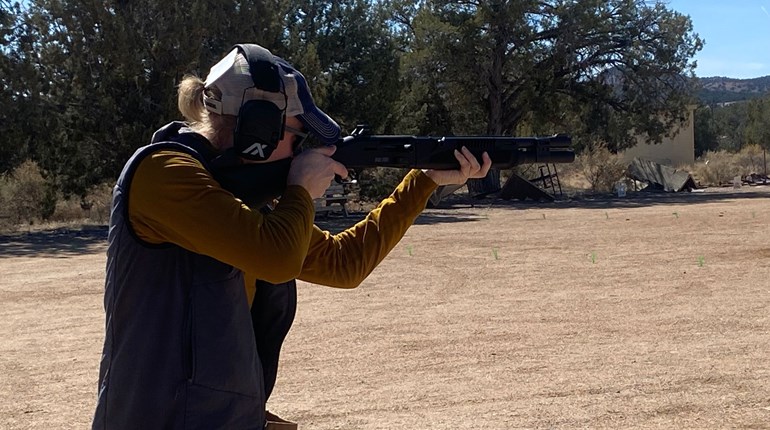
I’m not particularly recoil-sensitive, but I did injure my shoulder a few years back shooting a 12-gauge turkey load. It was just a fluke thing, but still, I was scared of shotguns for a year or more after that. The next time I had to fire a 12-gauge turkey load, I really had to psyche myself up with a little pep talk about how I could handle it, the fear was in my head, and so on. And then I had a little bit of an epiphany: I had to face my fears before I could get over them.
The way I did that was to switch the words I was reassuring myself with, turning negative self-talk into positive self-talk. Instead of trying to convince myself that “it isn’t going to be that bad,” I turned the whole thing around with a new mantra: “It’s going to be loud and a little painful. But so what?”
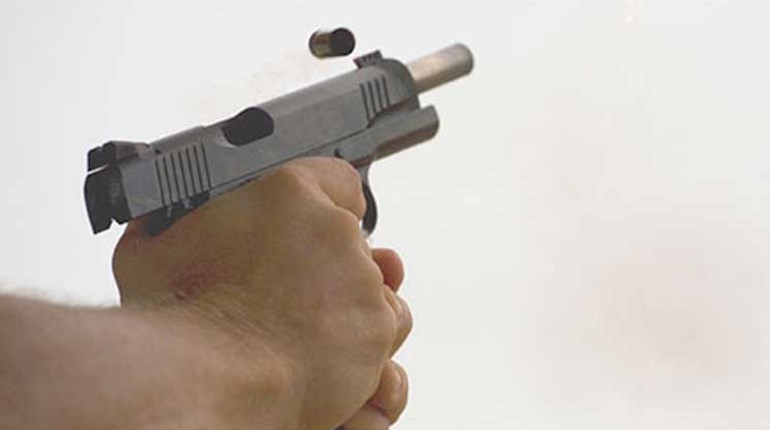
And I’m telling you, that changed everything for me. Recoil IS going to happen—I do what I can to minimize it, but I no longer fear it. I just remind myself before I shoot a large caliber that sure, I’m going to feel something when I pull the trigger, but it’s just a little temporary discomfort. I’ve certainly gone through much worse and will again. I’m no psychologist, but somehow this mindset shift switches my brain from dread to acceptance, and I can just shoot without dwelling on what I’m going to feel.
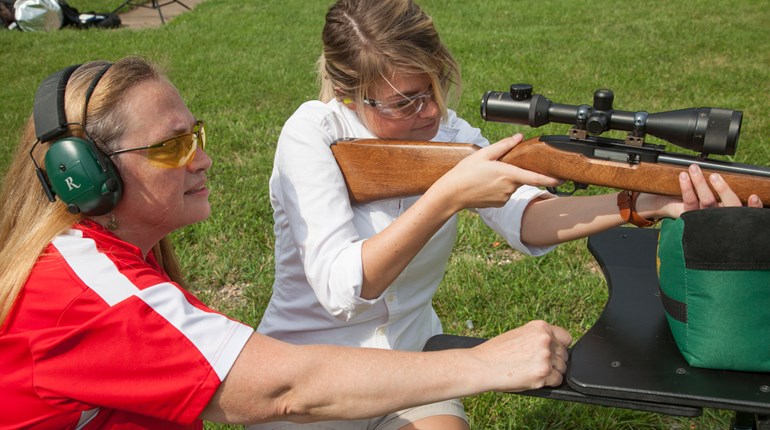
Now, don’t get me wrong—I still do what I can to minimize felt recoil. I shoot a semi-auto shotgun if it’s an option. If a recoil pad is available for a rifle or shotgun, all the better. I might even sight a rifle in using a Lead Sled if one is handy. I keep my grip firm and steady and tuck a gun into my shoulder properly so I can use body mechanics to absorb some of the recoil. In other words, I do the best I can and then just let it happen. I’ve stopped worrying about it, and it’s improved my shooting.
When I just let recoil happen and don’t focus on it, I can better focus on what should happen right after firing a shot: proper follow-through. This includes reacquiring a sight picture and running the gun’s action, if applicable. Reminding myself before I pull the trigger that there’s going to be a boom and a push, but it’s safe and I can ignore it, helps me just breeze past it and get down to the business of shooting.
I know this sounds like psycho-babble, but there’s a reason athletes at the top of their game—in any sport—spend so much time and effort training what they call “the mental game.” Once you have the physical aspects of shooting down, much of what goes on to make you miss or screw something up is in your head. You perform best with a clear mind, so letting go of any worries about things that are GOING to happen and which you can’t stop will only help you gain clarity.
It sounds easier said than done—just change the way you think about recoil and poof, suddenly it’s a non-issue? Well, it sounds easy because in a way, it is. You’ll still have to practice this, of course, but reminding yourself “It’s going to recoil and it’ll be uncomfortable, but that doesn’t matter, so just let it happen and move on to the important stuff” can genuinely help you learn to let go of any concerns about recoil and just focus on making the best shot you can.