
Still-hunting for deer is considered an old-school practice by some hunters, but it’s still popular and very effective in the right conditions. The name is a bit of a misnomer in some ways but appropriate in others. Still-hunting is, at its very core, a slow walk in the woods with a gun. The walking part isn’t very “still” at all, but done properly, a good still-hunt does actually involve a lot of stillness. Here’s how to do it right.
Know Where to Go
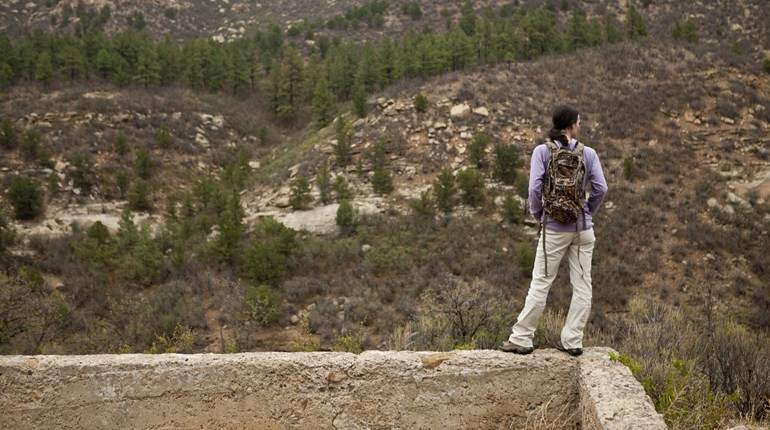
You don’t want a lot of visibility and wide-open space, because you want to stay hidden from game, but you also don’t want super thick brush that hides deer completely and gives you no clear shooting lanes. Still-hunting works well in forested areas where you have decent visibility and can travel without making noise or getting tripped up. Of course, scouting before the hunt to identify areas that are likely holding deer will increase your odds of success. Working edge areas—where one type of terrain or brush gives way to another—can be a good option, especially at dawn and dusk.
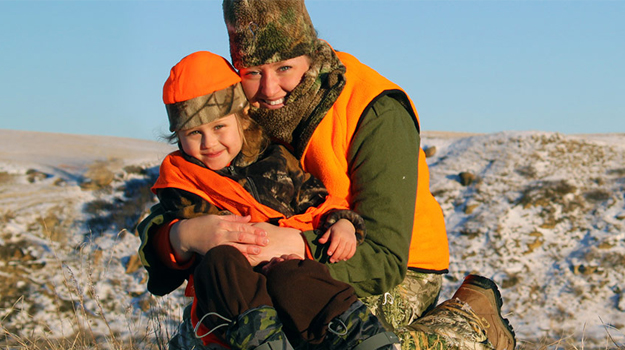
And a quick safety tip: Part of the object here is to remain undetected by game, but you want any fellow hunters to be able to identify you immediately. Wear plenty of hunter’s orange for safety.
Go Slow
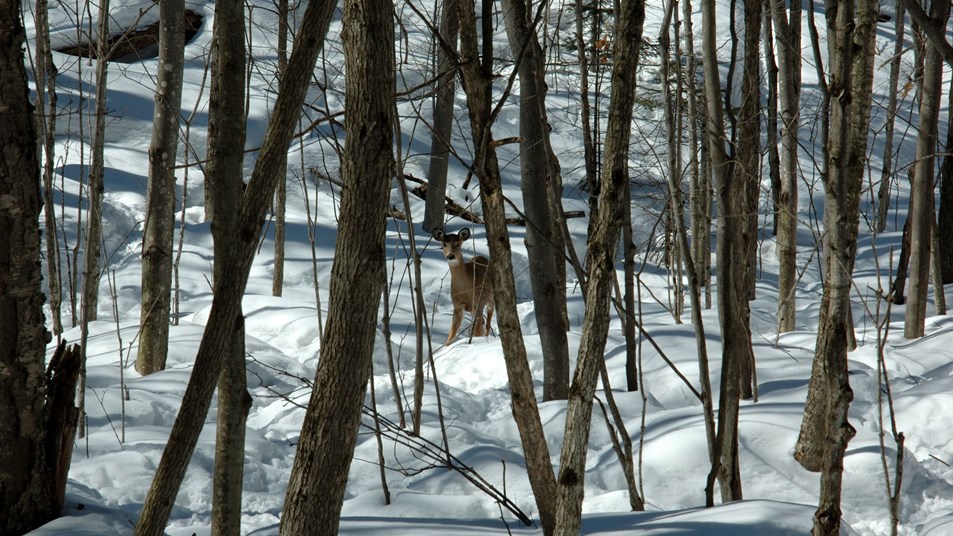
Still-hunting is sort of the opposite of treestand hunting. When you sit in a blind or stand, you wait for the deer to come to you. When you still-hunting, you are going to the deer (hopefully). But of course, movement spooks deer, so you’ll be going very slowly—it’s really more like creeping than walking. You’ll take a few slow, deliberate steps, then stop for a while and look for signs of game. Binoculars are helpful, because you might think you can see fine with the naked eye, but what you might not realize at first is that you’re not looking for “a deer”—you’re more likely looking for little piecesof a deer hidden in brush. You might only see an eye, a flick of an ear, or a piece of antler among the twigs.
I can’t emphasize enough how important it is to go slowly. You’ll spend more time being still and searching with your binos than you will moving forward—much more, maybe 10 times as much stillness as movement. And don’t neglect your own sense of hearing; you might hear a deer stand up and start to move away from you, so use your ears as much as your eyes when you’re searching for game.
Don’t expect to cover a lot of ground. You might only cover a half a mile to a mile in an entire day of still-hunting.
Keep Quiet
If a deer hears you coming, he’s likely to spook, so you must move quietly. Moving slowly helps with this, but every footfall should be deliberate—try to avoid snapping twigs or shuffling through dry leaves. Unnatural noises—ripping open the Velcro on your pack, crinkling a snack cake wrapper, or accidentally banging metal on metal—are worse, of course.
Rain or snow can be beneficial to a still-hunter, as the moisture eliminates that dry-leaves problem. Fresh snow is especially great on a still-hunt because it easily reveals tracks you can follow. But be careful, because if there’s too much moisture, you might end up with muddy conditions that leave you more likely to slip or make noise sloshing through muck.
Remember that if the deer are less likely to hear you, you’re less likely to hear them, making those binos even more important to have and to use extensively.
Don’t Get Busted
You absolutely must play the wind right when you still-hunt. If the wind is at your back, forget about it. Wind in your face is preferred, but a crosswind that carries your scent to the side instead of in front of you is workable.
Keep yourself hidden. If you are working an edge or a ridgeline, make sure you stay just inside the brush line or tree line or at least keep brush behind you on a ridge so you don’t skyline yourself to every deer in the valley below. Sun can be the enemy here, as it creates shadows and might reflect off your gear. A cloudy day (or a rainy one, as mentioned), is often preferred for still-hunting. If it’s sunny, keeping the sun in your face is ideal, but playing the wind is much more important than playing the sun.
Stay Ready
Game can pop up anywhere around you—even behind you—at any time, and by the time you see it, there’s a good chance it has figured out you’re there. You might not have a lot of time for a shot opportunity, so stay ready to shoot and be prepared to make a quick shot. Of course, you’re in the woods, so mind your shooting lanes and pay attention to any brush that’s between you and the animal.
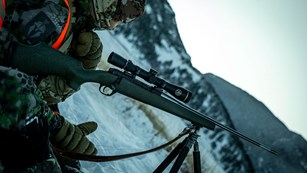
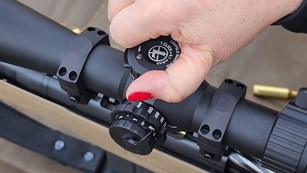
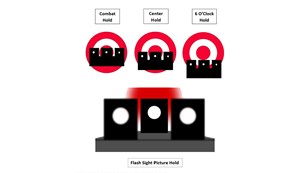
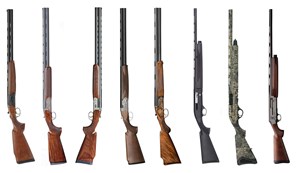
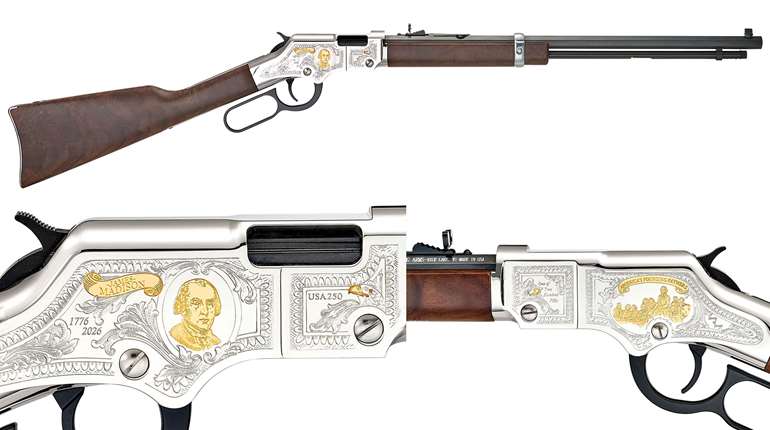
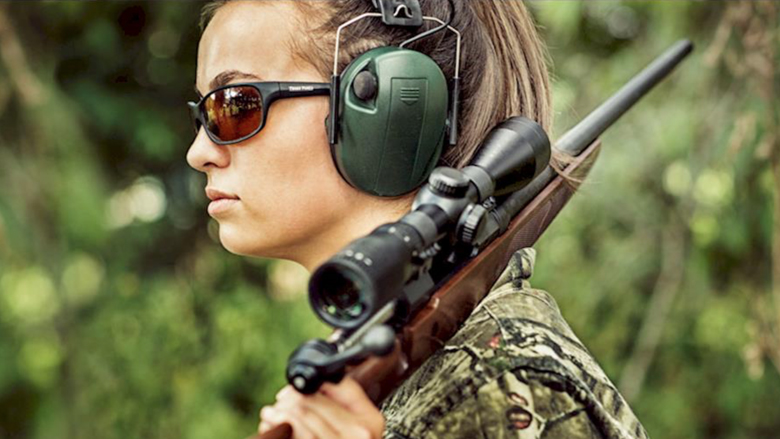
You’ll want a quick-handling gun, probably a relatively short one that’s easy to carry through brush, with a low-power scope or even open sights. The ideal setup will depend on the terrain you’re in and how far you expect to shoot, but in general, still-hunting usually lends itself to closer shots.
Depending on the situation, still-hunting can sometimes turn into spot-and-stalk if the game hasn’t spotted you. You might be able to close some distance or get to a more advantageous shot position with a little creative stalking.
Enjoy It
One thing is for sure: Still-hunting will teach you woodsmanship skills faster than almost any other method. You will certainly make mistakes and learn from them. You’ll discover which pair of boots is the quietest and most comfortable, which pair of pants makes too much noise in brush, and which sling gets hung up on your jacket at the worst possible time. You’ll bust deer and figure out what you did wrong; you’ll learn how to deal with changing winds after you spook a few animals when the wind shifts and you failed to compensate.
Still-hunting can be a great way to find deer, and it’s a great learning experience. And even if you don’t get a shot, you’ll finish the day having taken a nice walk through the woods. What could be better than that?