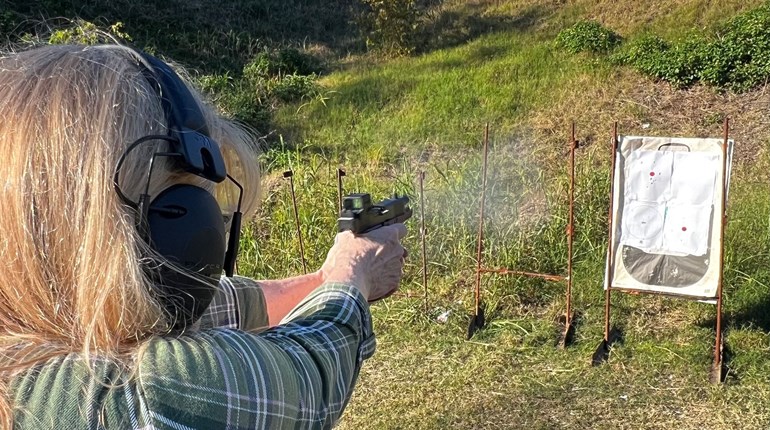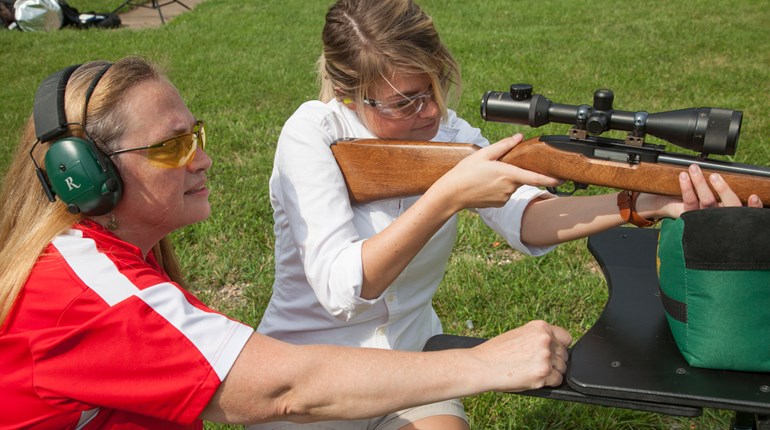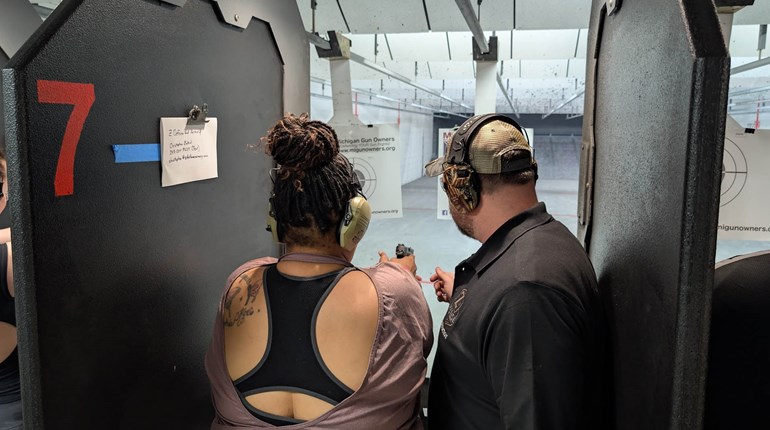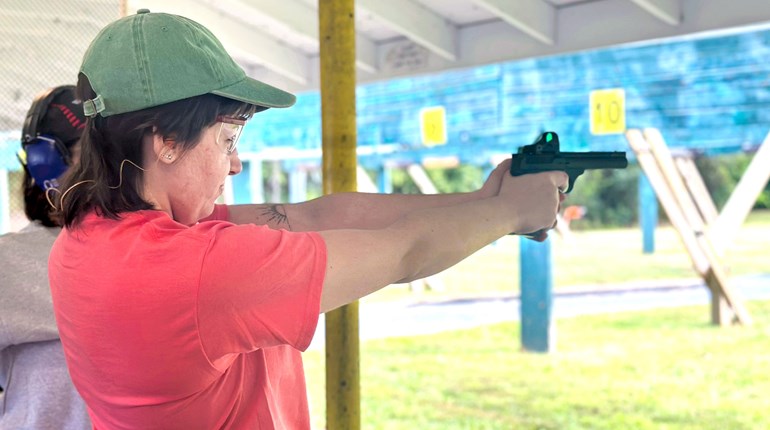
In the past few years, I have seen a positive change in the students in the firearms safety courses that I conduct. I am seeing a sharp increase in the number of mothers and their young daughters taking firearm classes together. When talking to these women, the conversation is almost universal. They feel that it is up to them to get their daughters trained in firearms and plan on continuing firearms training to keep them safe.
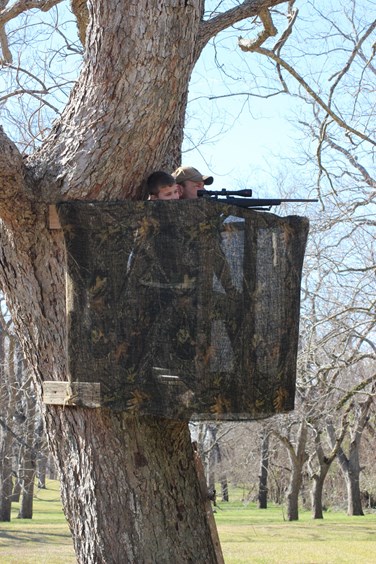
There is one question that I keep getting from them: “When is the right time to introduce kids to hunting?” Many times, the question is more specific: “When is the right time to introduce my daughter to hunting?” There are many factors involved in this decision, such as age, maturity and even family traditions. It is important that the youngster is ready for the experience. Oftentimes, it is the parent or guardian who is not ready—not the young hunter!
“Hunting Lessons” should start when a child is just a few years old, when he or she can comprehend simple concepts such as their chicken nuggets come from chickens, or that their hamburger used to be a cow. Parents who believe that the concept of food comes from living animals is too complicated or too sensitive for a young child, do not give their kids enough credit. It is the parents’ job to raise their children based in reality. That includes the reality of hunting and the animals that provide us with sustenance.
Learning how to hunt is a multi-stage process: observing, assisting and participating.
Observation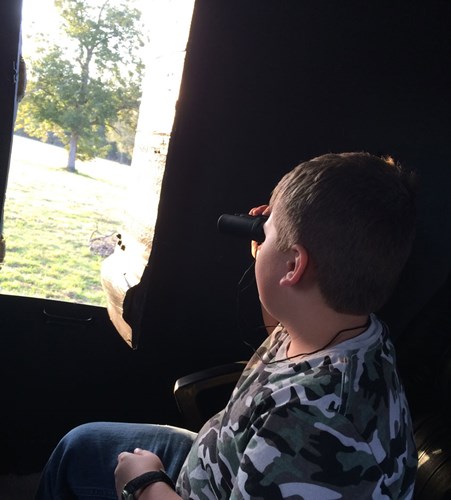
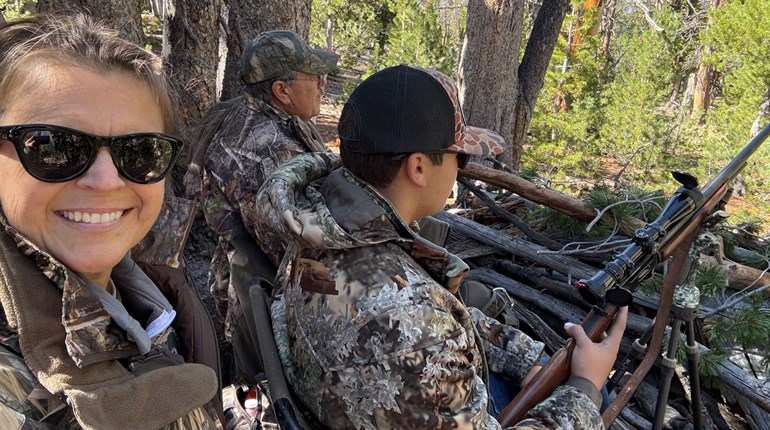
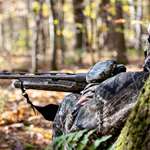
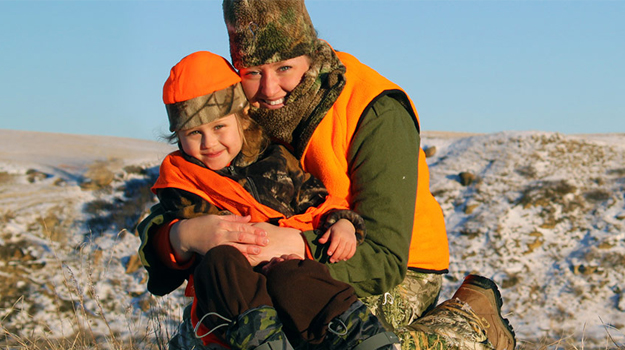
Young children should start out by sitting in a blind with a parent, learning the importance of being quiet and watching the movements of wildlife. I hear all the time from parents that their child cannot sit that long. The solution is simple: Stop sitting so long! You cannot expect a young child to sit quietly for hours, something you have been doing for years. Start out slowly by sitting for shorter lengths of time. If your child cannot sit for long periods, do not take them to the stand during peak hunting hours. For example, take them to the stand after the morning hunt or about mid-day. This way you can enjoy your hunt, then work with your child during “off hours.”
Assisting
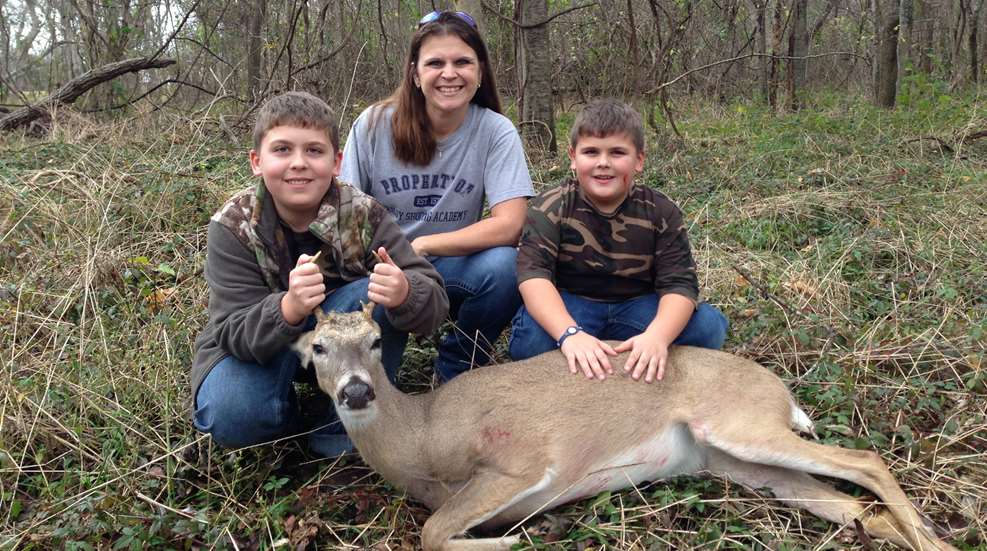
The next step is introducing them to the “work” of a successful hunt. This includes processing the game from the field to the table. This can be a very fun stage with your child. Your young hunter can assist with all the chores that go along with a successful hunt. Include your child in everything from game retrieval to field dressing, to processing, and even to preparations for the table so they can taste their efforts.
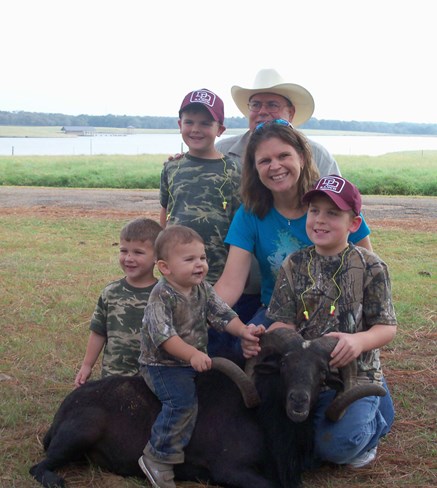
For example, if you are successful during a morning hunt and your child is back at camp, locate your deer or other game and tag it according to your state’s regulations. Then go get your young hunter and return to your stand. Now sit back and let him or her follow the blood trail to locate your game. They can then help load the animal and bring it back to camp and see the excitement from the others in camp.
Participation
The last step is allowing your child to be the hunter. If you take your time and properly go through the first two stages, you will know when your child is ready to hunt. You will see your young child transform into your young hunter! By successfully completing the earlier stages, your new hunter will already know what is expected of him or her. In other words, they will know what it takes to get an animal within range, then know that the hunt is not over when the trigger is squeezed. They will understand the work involved in a successful hunt. When the process of hunting is started early, by the time they grow into actual hunters, they are better prepared and more ethical as they take part in their family tradition of hunting.
When mentoring young hunters, we need to make the lessons as simple as possible. This means stress safety, stress practicing to gain confidence in your firearm, stress learning the laws in the area you will be hunting, and lastly, stress having fun!