
There is precisely ONE reason and one reason only to draw your concealed-carry gun from its holster outside a range or controlled at-home setting, and that’s this: You are prepared to fire it because you feel you or someone else is in danger of immediate great bodily harm or injury. That’s it. That doesn’t mean it’s the only possible outcome, but if you pull your gun out for any other reason, you’re toeing the line right up to and possibly past serious trouble.
Here are a few examples of times you DON’T draw your gun.
1. You Want to Show Your Buddies Your Cool New Gun
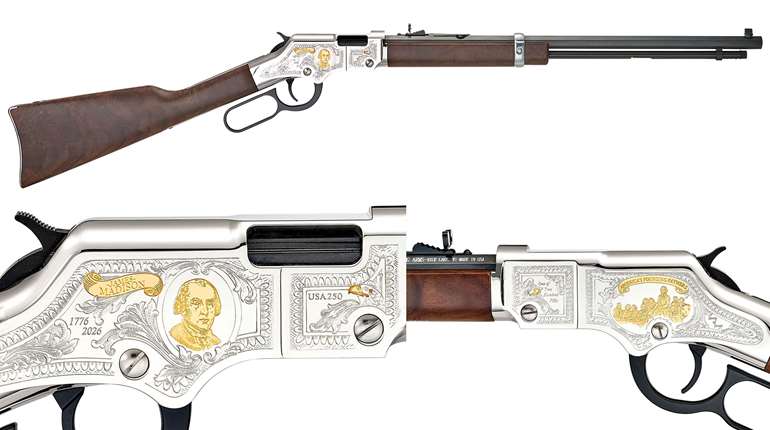
This is the most innocent reason on this list and the one least likely to land you in serious trouble, but it makes the list because it’s almost always done carelessly and with dubious regard to safety.
I was once sitting in the church lobby chuckling at the old-man banter of several gentleman around me when one of them whipped out his pistol with a “Hey, check out what I bought this week” and handed it, loaded and without regard to where it was pointing, to the guy sitting next to him, who proceeded to turn it over in his hands to look at all sides of it, again without regard to where it was pointing. Don’t do that! Act like a grown up and keep your CCW status and certainly your gun to yourself.
2. You Want to Scare Someone Away
Don’t get me wrong: You might very well pull your gun and it will be enough to scare the bad guy away. If that happens, great—you’ve won and you didn’t have to fire a shot. But you should never draw your gun if your sole aim is to scare him, especially if you’re not in fear for your life. If your brain is telling you, “I don’t need to shoot this panhandler, but if I point a gun at him he’ll probably leave me alone,” or “I could never shoot someone, but hopefully this will scare a mugger off,” you’re treading in dangerous waters. Either someone needs to be met with deadly force to save you from great bodily harm, or they don’t.
Only draw the gun if you’re prepared to fire it. If you’re not, or if you wouldn’t be legally justified in doing so, don’t draw it hoping you won’t have to fire it. Now you’ve introduced deadly force to a situation that didn’t require it, and you have no way of knowing how that will escalate things.
3. You Want to Stop Someone from Running Away
Hey, that guy just stole my purse and is running away with it! He can’t get away with that!
This and any other form of firing on someone who is retreating, except in rare circumstances (like active shooters or kidnappers), is going to be really hard to justify as a defensive gun use. If a bad guy is leaving, let him leave. Make a mental note of as many details as you can and be a good witness for police later when you report the incident.
4. You Want to Hold Someone for Police
Similar to the point above, catching a bad guy in the act and holding him at gunpoint for police is very tricky business. This isn’t a “never do,” but it’s a “think very carefully” before you pull your gun for the sole purpose of holding someone for police.
If the person in question is a threat to your life and you manage to point a gun at them and convince them to stop, disarm and sit still while you call 9-1-1, OK. At that point you will obviously need to remain extremely vigilant and make it abundantly, immediately clear to responding police that you are indeed the good guy with a gun.
However, if the person is not a threat and you’re holding them because they committed a “lesser” crime like theft, you are NOT justified to use deadly force against them, so pulling your gun out is very dicey. Depending on how it plays out, you could potentially face charges for something like unlawful restraint or assault. Consider what you’d do in a situation like this, and you might or might not decide that it simply isn’t worth the legal quagmire you could be opening up.
5. You’re Mad and You Want to Make a Point
We do not use deadly force over property or pride. We do not pull a trigger because our ego was insulted and we can’t stand the thought of someone getting away with a crime or affront against us.
I know how difficult it would be to watch someone across a parking lot actively stealing your car, and how tempting it would be to point your gun at them and order them to stop. Letting your car get stolen is going to lead to a huge insurance hassle, and we’d all feel a certain amount of “no one is going to do that to me and get away with it” righteous indignation. But stealing an unoccupied vehicle (occupied is a different story!) is generally not a threat of great bodily harm or death, unless the thief is trying to run you over with it. Drawing a gun in a case like this has the potential to escalate the situation and can lead to all kinds of legal headaches.
Don’t draw your gun strictly to protect your stuff or your pride.
6. You Want to Win an Argument or Fight That’s Not Deadly
I can’t say this enough: You are only justified to use deadly force if you are in reasonable fear of immediate great bodily harm or death to yourself or someone else. Proportionality is a major factor here. Like I said in the point above, you don’t draw your gun because you’re mad in an “I’ll show you who’s tougher!” bluff, and you don’t draw your gun in an attempt to one-up somebody who is not a deadly threat to you. If a fight is not deadly, you don’t want to make it so. If a drunk girl at a bar gives you an open-handed slap across the face, you generally can’t just pull your gun out in some kind of “I’ll end this real quick” bravado. That’s a legal nightmare, and don’t forget, anytime YOU introduce deadly force into the situation, your changes of later claiming self-defense go down to the vicinity of zero.