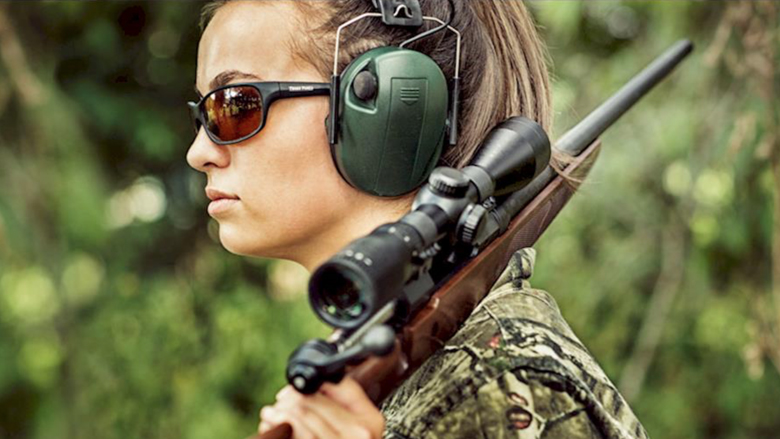

Many of us can remember when women had to make do with hunting and range attire and gear designed for men. When the demand was loud enough, things started to change and we saw a whole new industry focused on catering to the needs of women in the firearm and outdoor space. With this new focus on the needs of women, we experienced great growth in the numbers of women joining our ranks.
As an NRA Training Counselor, I see the same trends affecting new shooters, both male and female. Three of these include how the 5 Fundamentals of Shooting are applied, trends in firearms and ammunition choices.
Fundamentals of Shooting
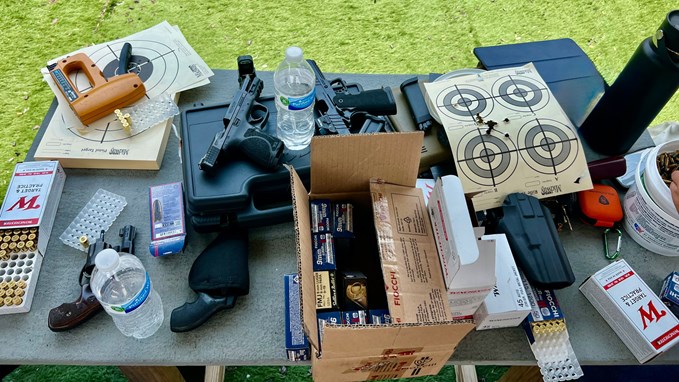
The 5 Fundamentals of Shooting are: aiming, breath control, hold control, trigger control, and follow-through. These fundamentals are what every shooter needs to know for the safe and proper use of firearms.
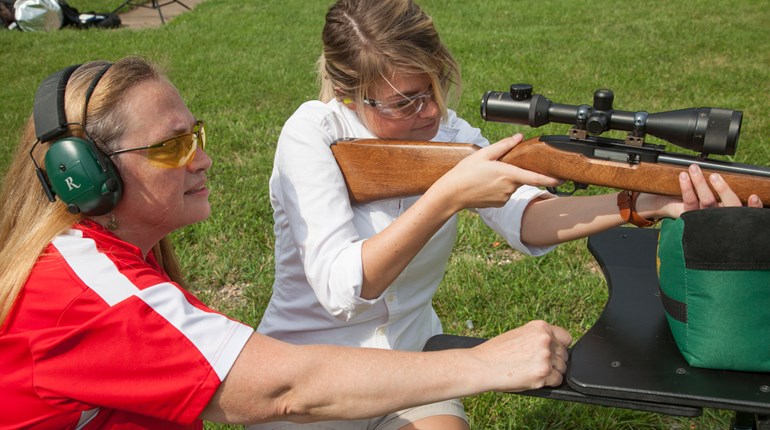
In general, new shooters tend to follow these rules exactly as written or as taught by a very rigid instructor—which is not wrong—but can present some issues when we remember that we all come to the table with different strengths and experiences. As long as we do not compromise safety, these fundamentals need to be customized to the individual shooter. I liken this to a youngster who joins Little League baseball being taught the fundamentals of hitting the ball. But look at the swing of many major league ball players. Many of these professional ball players’ swings look like they forgot the fundamentals. In reality, their swing matches their style while adhering to the principles they were taught way back in Little League.
Success in shooting means hitting where you are aiming, over and over again. If you are not hitting where you are aiming or not satisfied with your results, change something. Move your foot, move a finger, move the way you hold the gun, it does not matter what you try, just try something! In other words, find your sweet spot.
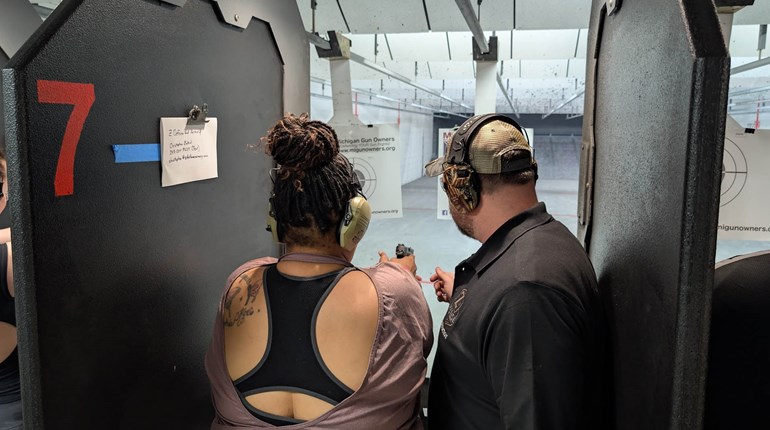
I am very successful in getting people on target because I am not too rigid when it comes to the fundamentals. Some firearms instructors make the 5 Fundamentals of Shooting the end point. I look at these rules as the starting point. Where a shooter ultimately ends up depends on their success at the range.
Remember, we are all different, therefore we are all going to shoot differently.
Firearms
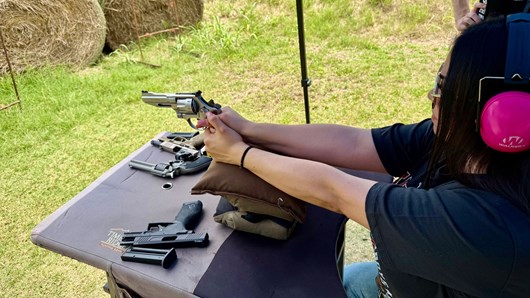
There is no doubt that firearms have gone through major changes since the early 1980s. In 1982, the polymer-frame, striker-fired Glock 17 was introduced in Austria. After its introduction in the U.S. market in 1988, this style of firearm became mainstream and now dominates the handgun market.
As an NRA Training Counselor, I can easily recognize students who are sensitive to recoil and those who are not. Those who are sensitive to recoil should always consult firearms manufacturer specifications, paying special attention to the size, dimensions and weight of the firearm they plan to shoot.
How balanced the firearm feels to a shooter also affects felt recoil. A well-balanced firearm distributes recoil throughout the gun so the energy that is passed to the hand does not feel as strong. Barrel length, height of the firearm, and grip size can also contribute to the balance of the firearm. Since we are all different, a gun that feels balanced for one person may not feel balanced to the next.
Another factor in a firearm’s ability to absorb recoil is the material from which it is made. The denser the material the more it absorbs recoil. Prior to the introduction of the polymer-framed firearms, handguns were, for the most part, steel-framed. Not only is steel heavier than polymers, but it is also more dense. And not all polymer-framed guns have the same density, so different polymer-framed guns that are the same size and weight feel different when shot. It only takes a couple of ounces of weight to tame recoil. With that in mind, and knowing that steel weighs more than polymers, handguns that are made from heavier materials may be better for some students. It's a matter of experimentation.
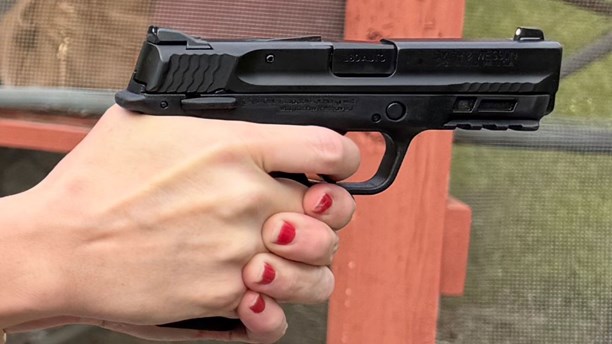
Part of my job as an NRA Certified Firearms Instructor is guiding students to the firearms that best suit their style. I am not advocating one type of gun over another or proclaiming that heavy steel firearms are better. I am simply acknowledging that there are options. You do not have to settle on a firearm that does not fit you or your style. You just may have to do your research to find the one that best works for you.
Ammunition
It would be hard to find someone today who would dispute that the 9X19 cartridge is the No. 1 cartridge in the world for almost every handgun application—military, law enforcement, competition, target shooting, and personal defense. About the only market that the 9X19 cartridge does not dominate is in the hunting world.
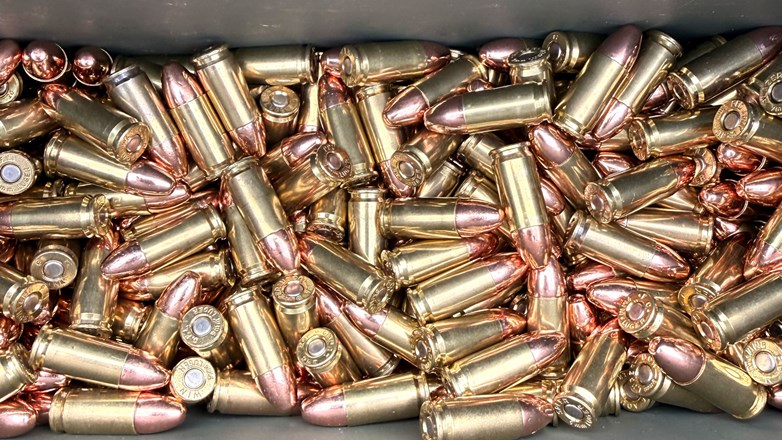
In a sense, you could call the 9X19 cartridge a professional round. After all, this is the cartridge utilized by the people that protect us—military and law enforcement. Yet it is the cartridge that most new gun owners choose for personal protection. While that may end up being the ideal option for many shooters, not everyone can instantly be proficient in handling a 9X19, including both male and female. To become proficient with rounds such as .45 ACP, .357 Mag. or 9X19 takes practice—and a lot of it!
In other words, for many new shooters, they need to work their way up to the 9X19 cartridge. This is no different than any other activity. For example, if you are interested in taking up the sport of running marathons, you do not start by trying out for the Olympics, you first start by running around the block!
Many women who have never shot before approach me for private lessons and say, “My husband says I need to carry a “9.” But it is not always the spouse or friends of the new shooter who offer advice on which cartridge their gun needs to be chambered. I often hear instructors tell new shooters that the 9X19 is the only real option. I always allow new shooters to start out with the handgun they bring to the lesson. If they seem to be struggling, I offer other calibers such as .38 Special, .380 ACP. or even a .32 ACP. and they almost universally shoot better. Not only does their shooting improve, but they start enjoying themselves and get excited about shooting.
It is important to understand that shooting is an individual sport or activity. Because of this, the way we shoot coupled with the right firearm and ammunition must all be individualized. The right combination will lead to the right outcome. I tell my new shooter if she prefers a .380 ACP over a 9X19, but her husband said she needs to carry a “9,” I suggest that she tell her significant other he needs to take an NRA Basic Pistol course because a .380 ACP is a “9”—a 9X17!
—Heidi Lyn Rao