
One of the most eye-opening aspects of having a family member working in law enforcement is seeing in person how first responders are called on and dispatched, and learning about the situations they run into that could have had different outcomes—if people took responsibility for themselves.
Personal responsibility for one’s own safety should look something like this: Average citizens take care of themselves and those around them (such as their children). The job of a first responder is often to help those who have no help. And while first responders are paid to help others in danger, what if we could take steps to keep ourselves out of danger so they can tackle the really important things?
Small Choices, Big Impacts
Often the small choices people make mean the difference between a story to tell or a flat-out tragedy; a life cut short because someone failed to wear a seatbelt and went off the road in seemingly benign conditions and was thrown from their car is heartbreaking! Seatbelt laws aren’t about generating revenue; they’re about ensuring people are not ejected from their vehicle in an accident.
Using a car seat as detailed for your child’s height and weight is not about selling car seats or law enforcement being overbearing; it’s about seatbelts being positioned so that if there was an accident, the seatbelt doesn’t cause harm and tear into a child’s organs. Rear-facing car seats and children in the backseat are more about airbags and the potential that children are severely injured from the very things designed to offer protection to adults.
These types of choices that people make daily are often dismissed as “big brother” trying to tell people what to do. But they’re just about making wise choices.
Choices are one of the perks of freedom, and they come with consequences. Parents telling teens not to do any number of things, from going places alone, to driving in storms, to going to a party and over-imbibing in alcohol because “everyone else is” ... all these choices bring potential danger. My husband worked the Madison, Wisconsin, Halloween “festival” one year and he and his colleagues observed a severely inebriated girl being followed by some guys who appeared to be trying to get her to go with them. This is a college-town party that gets so crazy the state police are required to work it every year. They told the guys to leave her alone and the police took charge of her, potentially saving her from something terrible. Choices have real consequences.
Awareness is Free
We see and read in the news about tragic situations in which people were caught unaware and killed. Awareness is not just about your personal surroundings when out in public, but awareness in and around your home and community. Why is the dog barking? Why is that strange car lurking?
It is not just the job of first responders to be aware of what is going on in a community—it’s your job too. In the same way that we don’t expect the fire department to show up in 30 seconds (we buy a fire extinguisher, knowing we might have to use it), we cannot expect that law enforcement will be able to handle any and every safety concern within seconds.
So if you live in a community, get to know the people around you and establish a local call chain and know who can help you, who you can trust, who might need looking after. Being aware means that you can potentially stop dangers before they need intervention.
Hyper-aware Does Not Mean Hyper-involved
In a day and age where everyone has a phone, it doesn't mean that you should be filming everything. If there’s a fight in your local Walmart, it might not be wise to stand their filming it and potentially being drawn in. Remembering to document an incident can be important, but don’t make yourself a target in the process.
Here are a few tips from a family that travels a lot and has someone in the LEO world:
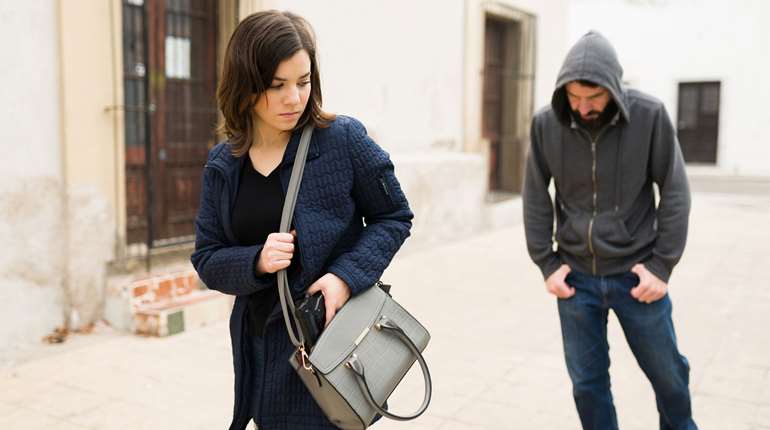
- Stay off your phone and be aware of what’s happening around you when out in public.
- Look people in the eye and acknowledge that you see them. Don’t appear to be a victim. Walk with confidence and awareness. You don’t have to give them words, just don’t appear unaware.
- Sit with your back to a wall or in a position where you don’t leave someone an opportunity to come up behind you.
- Know where you are going (glance at maps before you start driving or walking, instead of depending on navigation “in the moment”) and be aware of who is around you when you come and go.
- Lay down strict expectations with your family that you will let someone know when and where you will be, and let someone know when you are on your way back. This can be as simple as: “Text me when you leave and when you get there,” for the children or even yourself with your spouse.
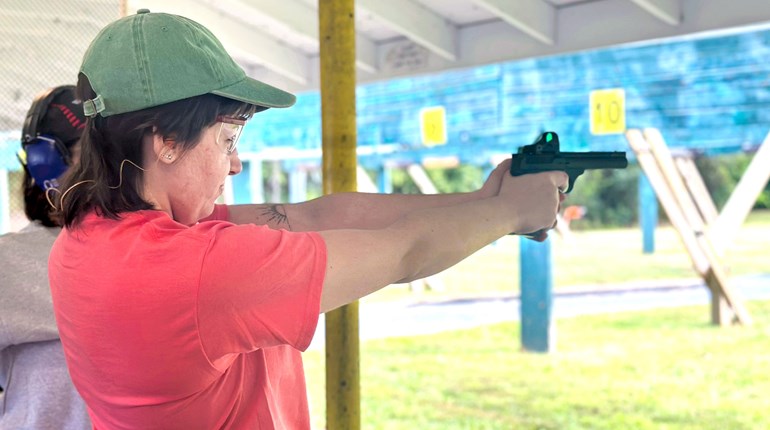
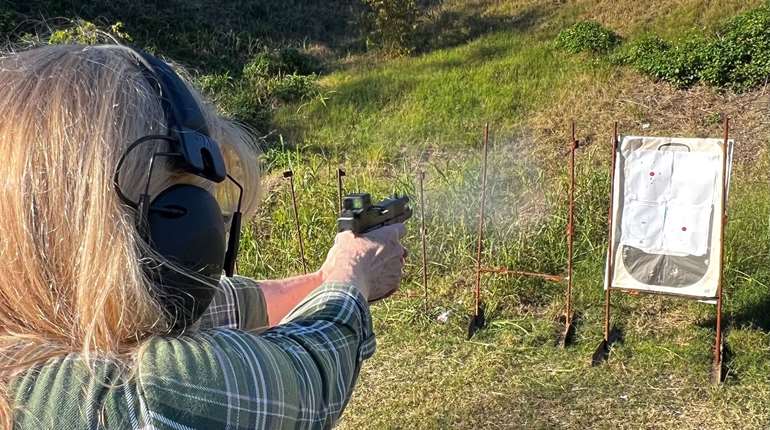
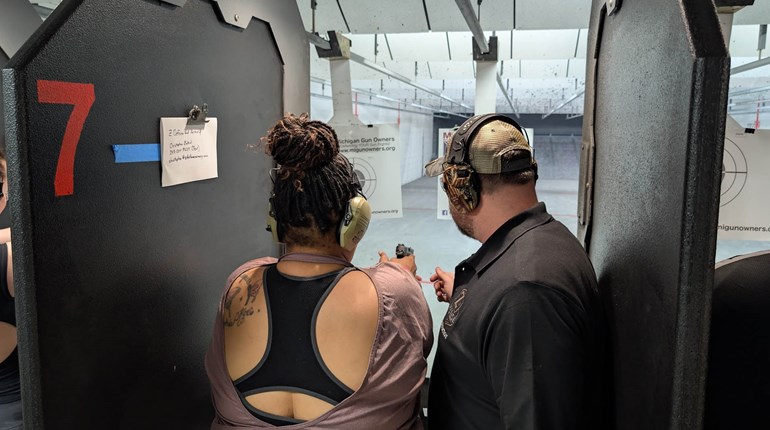
- Carry concealed, if you are able, and train with it under a competent instructor.
- Maintain your car so that you are not stranded on the side of the road or dealing with problems in the dark.
- If you must go to places you are not familiar with or feel unsafe, carpool or walk with a group.
- Establish a pattern of locking your car doors and home doors, and don’t default.
- Plan your outings in daylight hours when more people are around and driving is less dangerous, especially in winter.
- Keep warm clothes, a hat, gloves, boots, jumper cables and a flashlight in your car in winter.
- Talk through your expectations with your children. For example, not a drop of alcohol while they are underage. Some teens might not get the real repercussions of being ticketed while underage, thinking that because they drank a beer a couple hours ago it’s not going to matter. But it could impact their life in very bad ways—not just their license and insurance, but maybe a job or scholarship. And heaven forbid they are involved in an accident, even if it wasn’t their fault. The presence of alcohol could be a big problem. And for those of legal drinking age, there’s still reason for restraint with alcohol. Alcohol impairs more than just your motor skills, it impairs your judgments and awareness. According to one source, alcohol is involved in 50% of sexual assaults.