
The 4th of July and summer get-togethers are when families often engage in a little bit of recreational plinking. Here are three ideas to make staying safe fun.
Use a Table
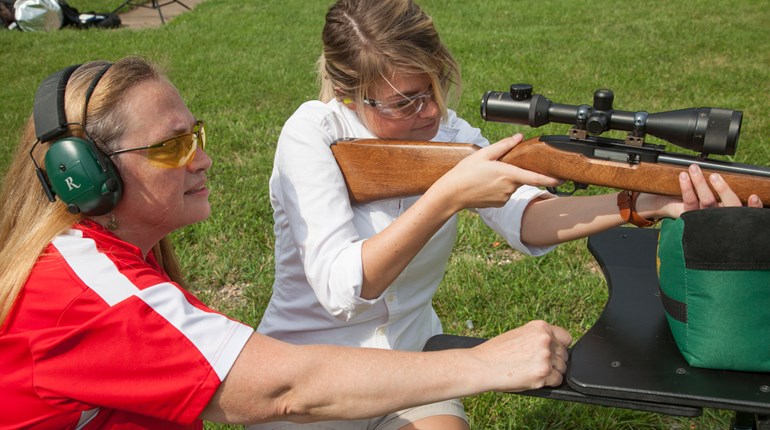
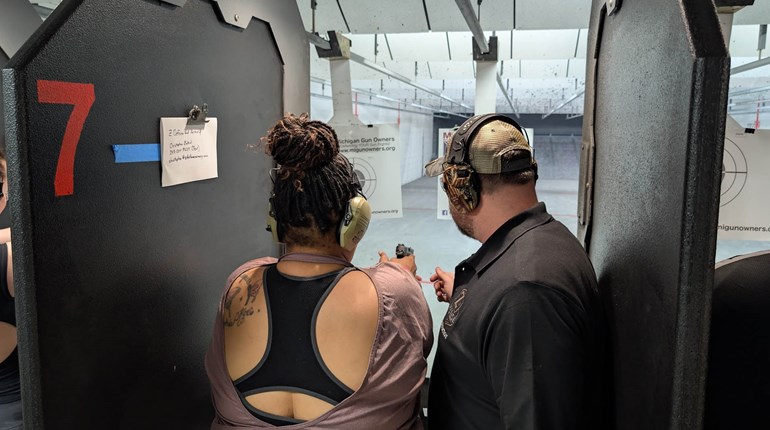
When you are just trying to have a fun, and maybe educational time with your friends and family, nobody wants to be the one who is yelling out stern range commands. But you must begin with a quick review of the rules of firearm safety and ensure adults are present, with each child or new person and being closely supervised. Establishing a “downrange” area that nobody is allowed to cross into and that firearms must stay pointed toward is usually one of the first steps to take.
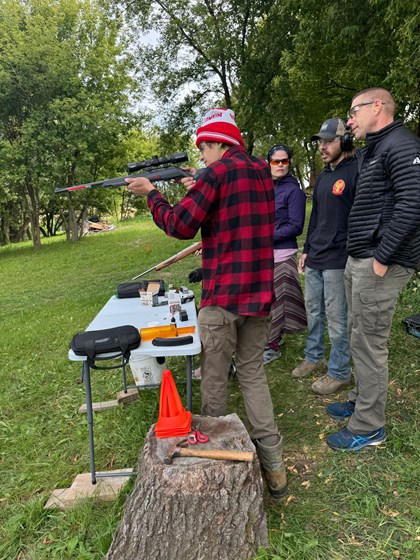
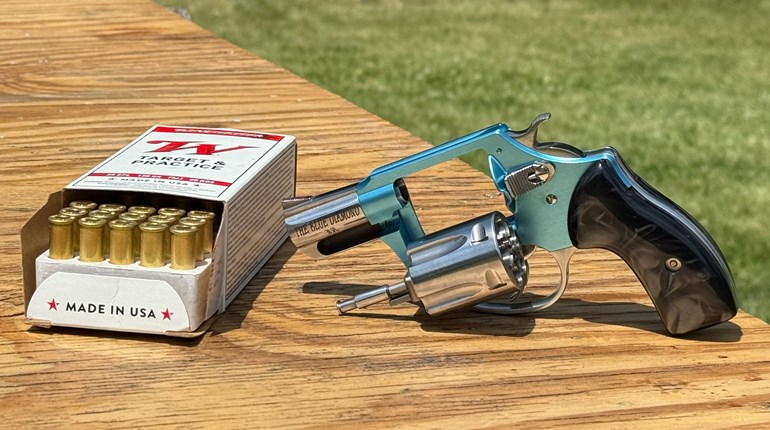
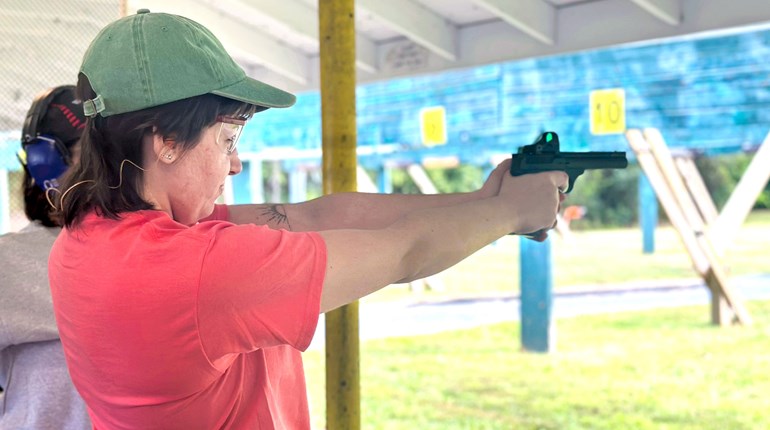
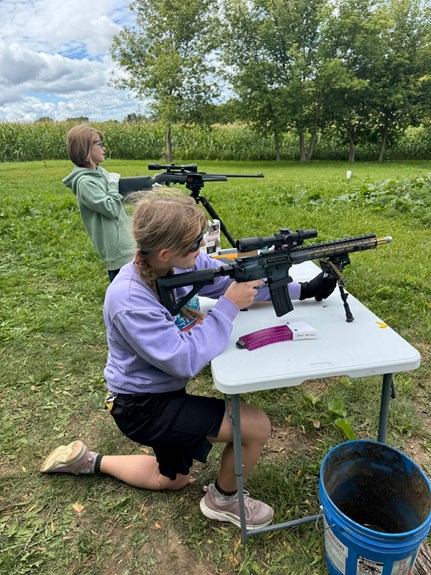
An easy way to ensure there’s a set firing line is to use a table. This also teaches people new to shooting guns that they don’t handle them except in a specific place and pointed in a specific direction. A table is an easy way to set something like a .22 AR or any .22 rifle that can be set up on a bipod or bags so new users can take their first shots in a safe and supported way.
Use a Timer
Plinking can be a pastime that uses up ammo quickly! And if you’re trying to conserve your ammo, consider using a timer to set up specific tasks. For example, time to load and shoot one round at a specific target. You can do this and keep track of who has the best time and compete for a prize—like having to do the dishes at your family dinner if you lose.
A timer on your phone and timing a few attempts at a skill will help the new person see their difference from someone more experienced. It can also highlight how hitting your target by exercising the visual patience to wait until the sights are on target and aligned is a better strategy than just pulling the trigger again.
Using a timer comes with a caution though; it’s definitely not for the brand new shooter. Above all else you want them to be safe. Rushing is not ideal for them. You can use this to your advantage to extend the life of your ammo supply—add dry-fire runs to your plinking. This is a great way to teach mechanics, proper gun handling, and not pulling the trigger until you are on target, sights aligned.
Dry fire can also be a way to include those who might not want to actually shoot in the fun too. Tell your crew that you will do a short safety brief when you start and that you plan to use dry fire to show everyone new what is expected. Anyone who wants to simply learn how to see if a gun is loaded or learn how to handle them safely—without the noise of shooting—are welcome to be there for that part.
This can be a valuable way to teach young children about firearm safety and that they are not allowed to handle or touch a firearm without an adult. It’s also an easy way for mothers or anyone with small children who might otherwise miss the fun to be included. I think most Americans have a memory of shooting a gun for the first time with Dad. How many more of us might have done that with Dad AND Mom had we built in a way for the whole family to be present. With small children requiring eye and ear protection like the rest of us, sometimes it’s a struggle to find gear that fits. Dry fire gives them time to learn about safety without a lot of extra gear. And going back to using a table, a younger person shooting a .22 from a bipod or bag is very comfortable and not at all intimidating.
Start a Tradition
Start a family tradition related to shooting. I’ve heard of families who compete for the temporary ownership of great-grandpa’s shotgun at a big family gathering every year. But you could start your own tradition such as the oldest and youngest present each get to set a challenge for everyone else. Or use printable targets and save them over time to see progress.
It doesn’t matter what the tradition is, but it should be something tangible that not only creates memories for your friends and family, but also helps you to use your firearms better. Maybe you want to create a new challenge each year and pass off the planning of the next one to the winner. Whatever it is, it can bring together the whole group. Even those who might not want to shoot will likely want to watch the competition or help keep score or make videos.
We have a sort of tradition of using exploding targets when friends come to visit. Planning the strategy, safety and video is always an adventure and great learning lesson for young people in why we use safety gear and follow all the rules on distances from targets. This works for us because we have very experienced shooters and time using these targets, a private area (range) on which we use them—and no small children. So while it might work for us, it’s probably not what I’d do with small children or a huge crowd.
No matter how you decide to go shooting, consider that it’s important to keep it fun, after you set things up to be safe. A solid, safe introduction to firearms is what can make or break someone’s framework for understanding them, so help your friends and family build a good framework!