
Summer is a great time to starting figuring out what bucks are in your area and how you might best hunt them in the fall—but there are some tricks you have to know, or you’ll waste all your time finding a deer hotspot that ends up being a ghost town by hunting season.
The most important thing to remember is that whitetail patterns change when the season changes from summer to fall. As leaves start to drop and temperatures cool, the food sources change, and deer move to new feeding areas. And when the rut arrives, of course, all bets are off when it comes to any bucks you might think you have patterned.
It’s easy to get excited when you find a nice buck in August, but what you really want to know is where that buck might be headed in October and where he’ll be hanging out in November. On average, bucks shift their summer range by close to a mile in the fall, and some mature bucks move several miles away—not to mention the ranging they do on a regular basis, especially during the rut. That said, here are some tips to make your summer scouting more effective.
1. Scout on Paper First
Or on your phone, as the case may be. Use topographical maps and aerial photography if available to make note of any water sources, natural funnels, easy travel routes, bedding cover and travel corridors that pass between two bedding areas or between bedding and food. How do you know what makes good bedding and feeding areas in the fall? You’ll have to figure that out in person.
2. Hit the Woods
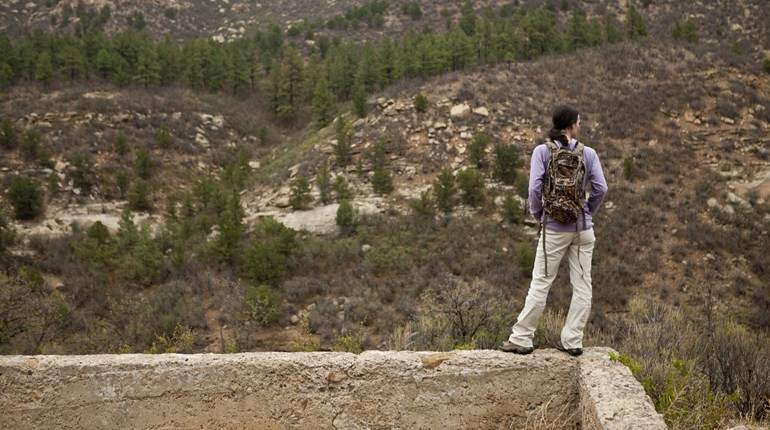
You’re looking for dense, thick bedding areas and mast trees like acorns and persimmons. These are the foods that will be dropping in the fall, and deer will likely not be hanging around them yet—but they will be in the fall. Make particular note of any thick, dense areas that are different from others on the property. If you’re not familiar with mast-bearing trees, do a little studying on bark and leaf patterns so you can identify them by sight, keeping in mind that they might not be showing a lot of fruit yet, especially in early summer.
3. Stay Undetected
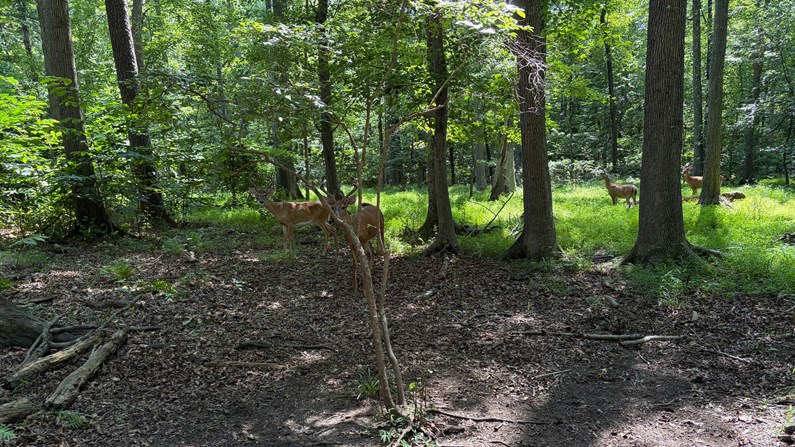
While you’re in the woods, do what you can to keep disturbance to a minimum. You can get away with more human scent, noise and disruption now than you can in a few months when deer are in their fall range, but still, don’t be sloppy. If there does happen to be a buck bedding in an area you go stomping through and you spook him, he might abandon that spot for good.
This is a good time to prepare your treestand sites by hanging new stands, repairing any permanent stands that need sprucing up, and trimming shooting lanes. Be mindful that your shooting lanes will look very different by November when the leaves are off the trees.
4. Don’t Get Excited About Fresh Sign, but Do Take Notes
Pay attention to fresh deer sign, but again, remember that deer probably won’t be hanging out in that area in fall. Write it down in a notebook anyway, and write down any observations you make about the woods and the deer—what deer you see on the property and surrounding properties, what they’re doing in summer and where they’re hanging out, etc. If you keep taking these kinds of notes in fall, winter and spring, you can start to learn the general behavior patterns of deer in your area, which will help you in years to come.
5. Keep Your Eyes Peeled
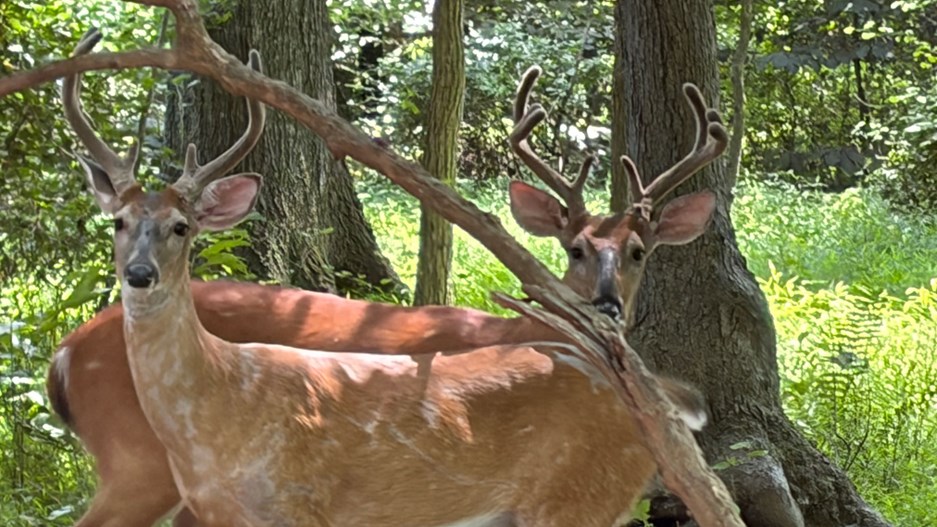
Seeing deer in summer isn’t useless just because they won’t be in the same spots come fall. It will at least give you an idea of what your herd looks like and what sort of bucks are in the area. If you’re in more open terrain, some time spent behind your binos can help you find and watch deer and identify bucks. If you can safely observe neighboring properties from the road, their deer might become your deer in the fall, so it’s worth a watch (in a non-creepy-stalker way).
6. Use Trail Cameras
Trail cameras are dynamite summer scouting tools. Again, you’re just trying to get a sense of what kind of bucks are in your general region, keeping in mind that they’ll be moving on from their current exact location. Cameras are especially helpful if your property is thick and hard to access and can’t be easily glassed. You might catch some monster bucks hanging out near summer food sources, or you might not. This is especially important if you hunt a really large property or have multiple hunting properties in different areas—if you can’t find a big buck on your trail camera and shooting a buck is a priority for you, your summer scouting might tell you that there’s simply not a monster anywhere nearby and you might have better luck elsewhere.
Remember: Summer scouting is about finding out what deer are in the general area and figuring out where those deer might be headed come fall. Don’t focus on where the deer are right now—you just want to know what bucks are hanging around and try to get a handle on where they’re going to be in October and November. That’s likely to be in denser cover areas and near good cool-weather food sources like acorns. Find the deer and find out where they’re going, and use scouting and maps to figure out some likely travel routes they’ll be using in the fall, and you’ll be well on your way to a successful hunting season.